
Lang
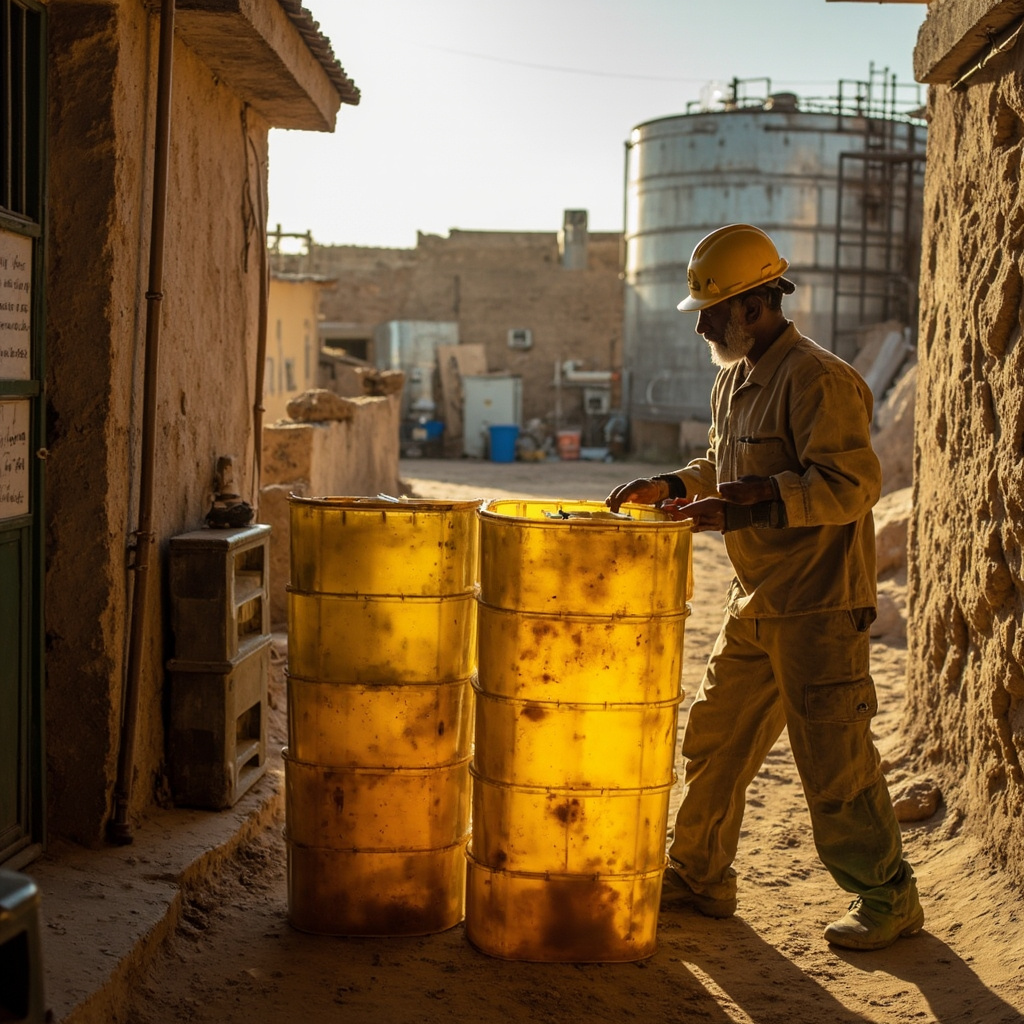
Tunisia's annual consumption of vegetable oils ranges between 220,000 and 230,000 tons, generating approximately 90,000 tons of used cooking oil each year, according to statements made by Sasi, Director of Recycling and Valorization, during the 'Fi 60 Daqiqa' (In 60 Minutes) program.
Sasi revealed that around 60% of this volume originates from household use, with 35% concentrated in the Greater Tunis area and the governorates of Bizerte and Nabeul, while the remaining 40% comes from professional and artisanal activities.
The official warned against traditional practices in handling these oils, particularly their reuse in food preparation or in local soap manufacturing, explaining that frying oil more than three times produces oxidation compounds harmful to public health. She also cautioned against disposing of used oils in sewage networks, which causes severe blockages and significant damage to infrastructure.
In response, Sasi announced the launch of a national initiative in collaboration with specialized, accredited institutions to collect, transport, and valorize this waste stream. The initiative relies on a digital application called Eco.tn designed to facilitate participation by citizens, restaurants, and businesses. Collected oils are converted into biofuel (biodiesel) used to power vehicles and agricultural tractors as a clean energy source.
The process also yields glycerin, which is channeled into pharmaceutical and cosmetic industries, opening new economic and environmental opportunities for valorizing this waste.
Source: diwanfm.net