 Advertise
The named animal fats covered by Codex standard CXS 211-1999: lard, rendered pork fat, premier jus, and edible tallow.
Sus scrofa, Bovine, Ovis aries
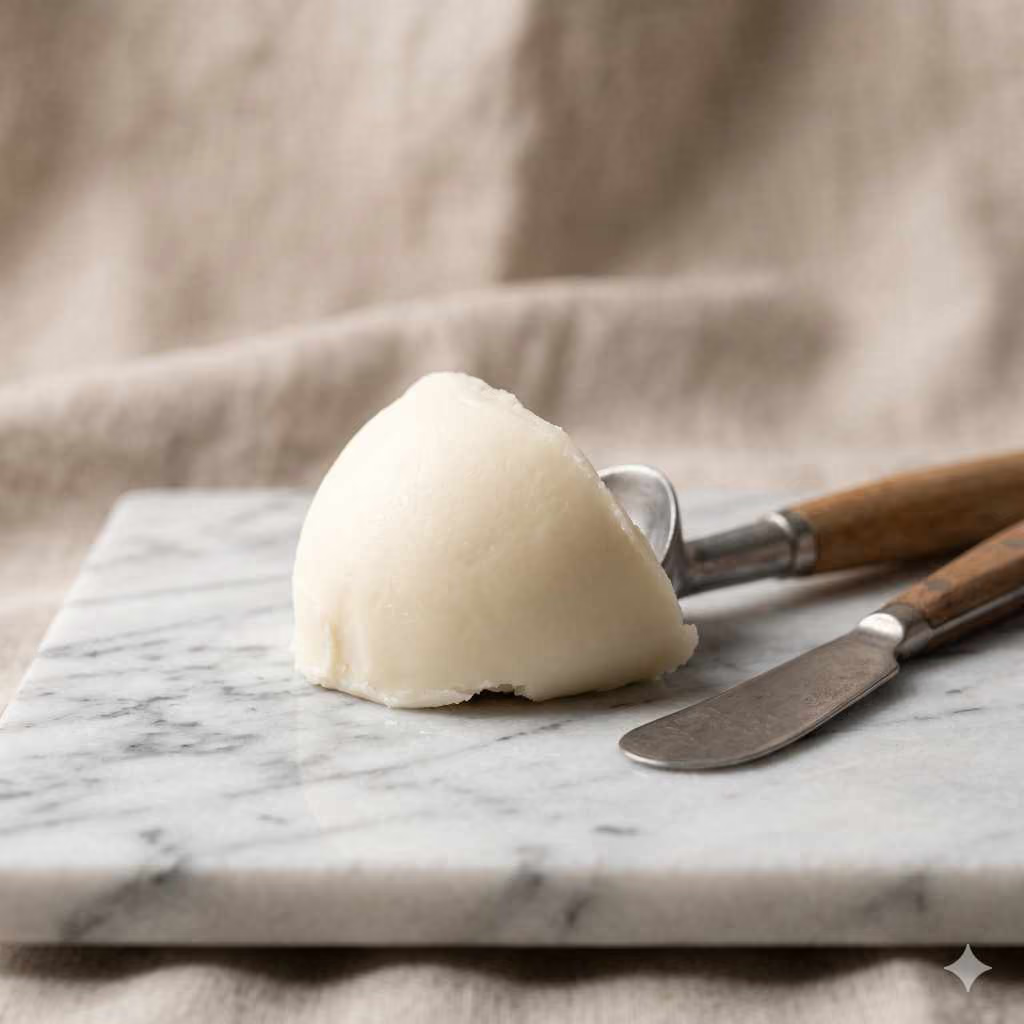
Named animal fats are edible fats obtained by rendering the fatty tissues of healthy swine (Sus scrofa), bovine, and sheep (Ovis aries) at the time of slaughter. Codex standard CXS 211-1999 covers four standardized products: lard (pure rendered pork fat), rendered pork fat, premier jus (oleo stock), and edible tallow (dripping). These fats differ by source animal, rendered tissues, and melting temperature, resulting in distinct fatty acid profiles, iodine values, titres, and culinary or industrial uses. Lard and tallow together account for the bulk of global edible animal fat production — about 14.9 million tonnes combined per year (2024 estimates).
HS Code
1501.10, 1502.10
Oil percentage in the seed/fruit
Oil yield/hectare
Omega-6:Omega-3
Approx 5–15 depending on type
2024 (IndexBox estimates)
Global Production
14.9
million tons
Global Consumption
14.9
million tons
Market Share
6
%
Source: IndexBox 2024 estimates
Source: IndexBox 2024 estimates
Source: USDA-FAS PSD Online
تخضع الدهون الحيوانية المسمّاة لمواصفة الكودكس الدولي CXS 211-1999 التي تحدّد التركيب الكيميائي ومعايير الجودة لأربعة منتجات معيارية: شحم الخنزير، ودهن الخنزير المصهور، وبريمييه جو، والشحم الصالح للأكل. تعرض البطاقات التالية مواصفة كل دهن حيواني في المواصفة.
Edible tallow (dripping) is the product obtained by rendering the clean, sound, fatty tissues (including trimming and cutting fats), attendant muscles and bones of bovine animals and/or sheep (Ovis aries) in good health at the time of slaughter and fit for human consumption. (Section 2.4)
| Fatty acid | Range (%) |
|---|---|
| Myristic C14:0 | 2–6 |
| C14:1 | 0.5–1.5 |
| C15:0 | 0.2–1.0 |
| Palmitic C16:0 | 20–30 |
| Palmitoleic C16:1 | 1–5 |
| C17:0 | 0.5–2.0 |
| C17:1 | < 1.0 |
| Stearic C18:0 | 15–30 |
| Oleic C18:1 | 30–45 |
| Linoleic C18:2 | 1–6 |
| Linolenic C18:3 | < 1.5 |
| C20:0 | < 0.5 |
| C20:1 | < 0.5 |
Source: CXS 211-1999 — Section 3 (Premier jus / tallow column)
| Property | Value |
|---|---|
| Relative density (40°C/water 20°C) | 0.894–0.904 |
| Refractive index (ND 40°C) | 1.448–1.460 |
| Titre (°C) | 40–49 |
| Saponification value (mg KOH/g) | 190–202 |
| Iodine value (Wijs) | 40–53 |
| Unsaponifiable matter (g/kg) | ≤ 12 |
Source: CXS 211-1999 — Appendix, Table 2
| Criterion | Maximum level |
|---|---|
| Acid value | 2.5 mg KOH/g (free fatty acids ≤ 1.25%) |
| Peroxide value | ≤ 10 milliequivalents active oxygen/kg |
| Sodium soap content | ≤ 0.005% |
| Moisture & volatile matter (105°C) | ≤ 0.3% |
| Insoluble impurities | ≤ 0.05% |
| Iron (Fe) | ≤ 1.5 mg/kg |
| Copper (Cu) | ≤ 0.4 mg/kg |
| Colour | Off-white to pale yellow |
Source: CXS 211-1999 — Appendix, Table 1
Used in frying and cooking, and in the manufacture of shortening, margarine, soap, animal feed, and oleochemicals, as well as a feedstock for biodiesel.
Premier jus (oleo stock) is the product obtained by rendering at low heat the fresh fat (killing fat) of heart, caul, kidney and mesentery collected at the time of slaughter of bovine animals in good health at the time of slaughter and fit for human consumption, as well as cutting fats. (Section 2.3)
| Fatty acid | Range (%) |
|---|---|
| Myristic C14:0 | 2–6 |
| C14:1 | 0.5–1.5 |
| C15:0 | 0.2–1.0 |
| Palmitic C16:0 | 20–30 |
| Palmitoleic C16:1 | 1–5 |
| C17:0 | 0.5–2.0 |
| C17:1 | < 1.0 |
| Stearic C18:0 | 15–30 |
| Oleic C18:1 | 30–45 |
| Linoleic C18:2 | 1–6 |
| Linolenic C18:3 | < 1.5 |
| C20:0 | < 0.5 |
| C20:1 | < 0.5 |
Source: CXS 211-1999 — Section 3 (Premier jus / tallow column)
| Property | Value |
|---|---|
| Relative density (40°C/water 20°C) | 0.893–0.904 |
| Refractive index (ND 40°C) | 1.448–1.460 |
| Titre (°C) | 42.5–47 |
| Saponification value (mg KOH/g) | 190–200 |
| Iodine value (Wijs) | 36–47 |
| Unsaponifiable matter (g/kg) | ≤ 10 |
Source: CXS 211-1999 — Appendix, Table 2
| Criterion | Maximum level |
|---|---|
| Acid value | 2.0 mg KOH/g (free fatty acids ≤ 1.00%) |
| Peroxide value | ≤ 10 milliequivalents active oxygen/kg |
| Sodium soap content | Nil |
| Moisture & volatile matter (105°C) | ≤ 0.3% |
| Insoluble impurities | ≤ 0.05% |
| Iron (Fe) | ≤ 1.5 mg/kg |
| Copper (Cu) | ≤ 0.4 mg/kg |
| Colour | Creamy white to pale yellow |
Source: CXS 211-1999 — Appendix, Table 1
Used as a high-quality raw material for producing oleo oil and oleostearin, and in the manufacture of shortening and margarine.
Rendered pork fat is the fat rendered from the tissues and bones of swine (Sus scrofa) in good health at the time of slaughter and fit for human consumption. It may contain fat from bones (properly cleaned), from detached skin, from head skin, from ears, from tails and from other tissues fit for human consumption. (Section 2.2)
| Fatty acid | Range (%) |
|---|---|
| Myristic C14:0 | 1.0–2.5 |
| C14:1 | < 0.2 |
| C15:0 | < 0.2 |
| Palmitic C16:0 | 20–30 |
| Palmitoleic C16:1 | 2.0–4.0 |
| C17:0 | < 1 |
| C17:1 | < 1 |
| Stearic C18:0 | 8–22 |
| Oleic C18:1 | 35–55 |
| Linoleic C18:2 | 4–12 |
| Linolenic C18:3 | < 1.5 |
| C20:0 | < 1.0 |
| C20:1 | < 1.5 |
| C20:2 | < 1.0 |
| C20:4 | < 1.0 |
Source: CXS 211-1999 — Section 3 (Lard / rendered pork fat column)
| Property | Value |
|---|---|
| Relative density (40°C/water 20°C) | 0.894–0.906 |
| Refractive index (ND 40°C) | 1.448–1.461 |
| Titre (°C) | 32–45 |
| Saponification value (mg KOH/g) | 192–203 |
| Iodine value (Wijs) | 60–72 |
| Unsaponifiable matter (g/kg) | ≤ 12 |
Source: CXS 211-1999 — Appendix, Table 2
| Criterion | Maximum level |
|---|---|
| Acid value | 2.5 mg KOH/g (free fatty acids ≤ 1.25%) |
| Peroxide value | ≤ 10 milliequivalents active oxygen/kg |
| Sodium soap content | ≤ 0.005% |
| Moisture & volatile matter (105°C) | ≤ 0.3% |
| Insoluble impurities | ≤ 0.05% |
| Iron (Fe) | ≤ 1.5 mg/kg |
| Copper (Cu) | ≤ 0.4 mg/kg |
| Colour | White when solid |
Source: CXS 211-1999 — Appendix, Table 1
Used in cooking, frying, and food manufacturing.
Pure rendered lard is the fat rendered from fresh, clean, sound fatty tissues from swine (Sus scrofa) in good health at the time of slaughter and fit for human consumption. The tissues do not include bones, detached skin, head skin, ears, tails, organs, windpipes, large blood vessels, scrap fat, skimmings, settlings, pressings, and the like, and are reasonably free from muscle tissues and blood. (Section 2.1)
| Fatty acid | Range (%) |
|---|---|
| Myristic C14:0 | 1.0–2.5 |
| C14:1 | < 0.2 |
| C15:0 | < 0.2 |
| Palmitic C16:0 | 20–30 |
| Palmitoleic C16:1 | 2.0–4.0 |
| C17:0 | < 1 |
| C17:1 | < 1 |
| Stearic C18:0 | 8–22 |
| Oleic C18:1 | 35–55 |
| Linoleic C18:2 | 4–12 |
| Linolenic C18:3 | < 1.5 |
| C20:0 | < 1.0 |
| C20:1 | < 1.5 |
| C20:2 | < 1.0 |
| C20:4 | < 1.0 |
Source: CXS 211-1999 — Section 3 (Lard / rendered pork fat column)
| Property | Value |
|---|---|
| Relative density (40°C/water 20°C) | 0.896–0.904 |
| Refractive index (ND 40°C) | 1.448–1.460 |
| Titre (°C) | 32–45 |
| Saponification value (mg KOH/g) | 192–203 |
| Iodine value (Wijs) | 55–65 |
| Unsaponifiable matter (g/kg) | ≤ 10 |
Source: CXS 211-1999 — Appendix, Table 2
| Criterion | Maximum level |
|---|---|
| Acid value | 1.3 mg KOH/g (free fatty acids ≤ 0.65%) |
| Peroxide value | ≤ 10 milliequivalents active oxygen/kg |
| Sodium soap content | Nil |
| Moisture & volatile matter (105°C) | ≤ 0.3% |
| Insoluble impurities | ≤ 0.05% |
| Iron (Fe) | ≤ 1.5 mg/kg |
| Copper (Cu) | ≤ 0.4 mg/kg |
| Colour | White to cream |
Source: CXS 211-1999 — Appendix, Table 1
Lard is used in baking, frying, and pastry making, as well as in certain food and non-food industries.