
Lang
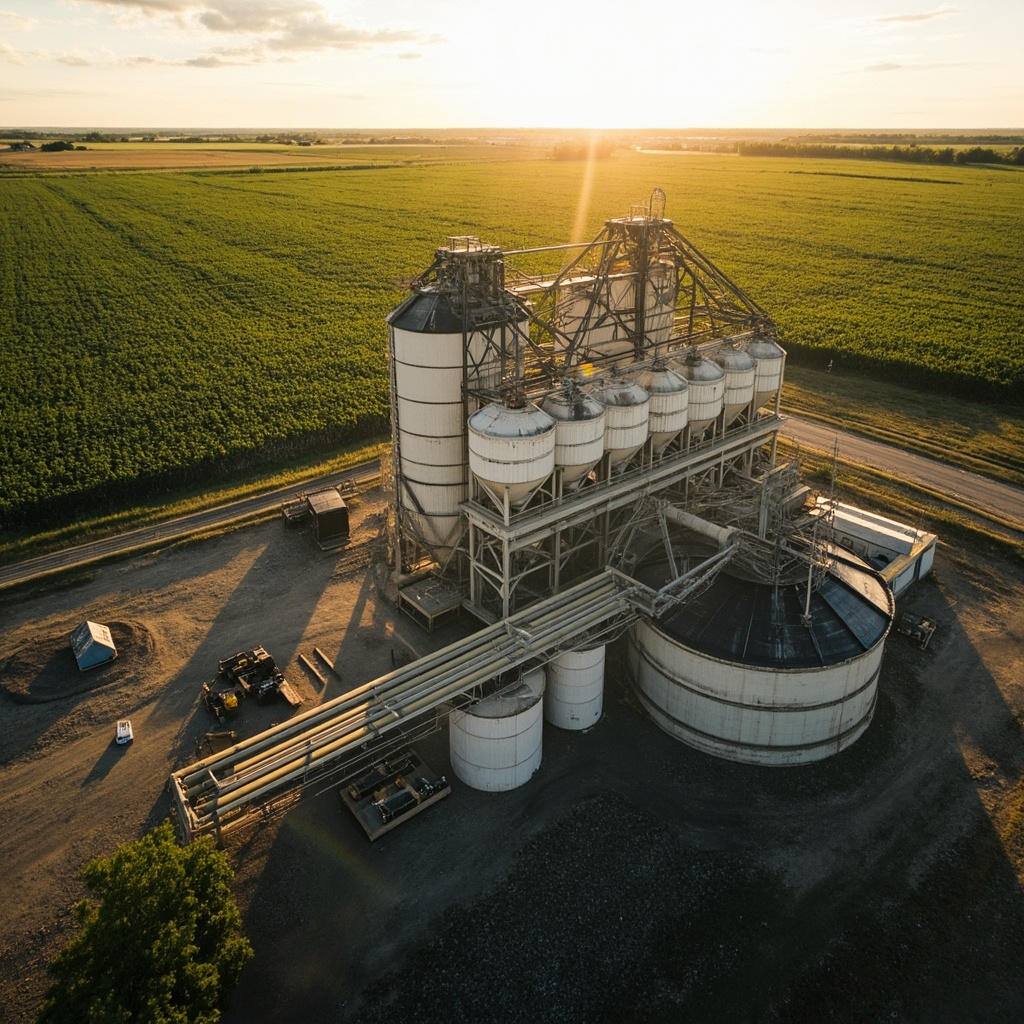
A major new soybean processing facility is set to rise near Evansville, Wisconsin, as CHS Inc. prepares to break ground on an approximately $700 million investment that will significantly expand U.S. domestic crush capacity.
The project, welcomed by the American Soybean Association (ASA) and the Wisconsin Soybean Association (WSA), will be capable of processing 80 million bushels of U.S.-grown soybeans annually. Construction is expected to begin in the coming weeks, with completion and operations targeted for fall 2028.
'This investment is great news for soybean farmers in Wisconsin and across the country,' said ASA President Scott Metzger, an Ohio soybean farmer. 'Expanding domestic processing capacity creates new opportunities for our crop and strengthens demand for both soybean meal and soybean oil. Investments like this help build a stronger market for U.S. soy while supporting farmers, livestock producers, and rural communities.'
The project carries particular significance for Wisconsin producers. 'For Wisconsin soybean farmers, having a major processor closer to home means greater market access and another potential buyer for the soybeans we grow,' said WSA President Doug Rebout, a soybean farmer from Janesville. 'Transportation is a significant part of getting our crop to market. Creating processing capacity in southern Wisconsin can shorten that distance, strengthen local competition, and allow more of the value generated by our soybeans to remain within the region.'
Annual output from the plant is expected to reach approximately 1 billion pounds of soybean oil and 2 million tons of soybean meal. Its strategic location places meal production near Wisconsin's substantial dairy and livestock industries while expanding the supply of soybean oil available for food, feed, and renewable fuel markets.
'This facility connects several of Wisconsin agriculture's greatest strengths,' Rebout added. 'We grow a high-quality crop, we have livestock producers who need soybean meal, and we are positioned to serve expanding markets for soybean oil. This investment recognizes what Wisconsin soybean farmers contribute and creates opportunities that can benefit farms, rural communities, and the state's broader agricultural economy for decades.'
The American Soybean Association represents U.S. soybean farmers on domestic and international policy issues affecting the industry. ASA has 26 affiliated state associations representing 30 soybean-producing states and nearly 500,000 soybean farmers nationwide. Established in 1973, the Wisconsin Soybean Association is a farmer-led membership organization representing the policy interests of Wisconsin's nearly 17,000 soybean farmers, working in Madison and Washington, D.C., to advance farm-friendly policies and strengthen market opportunities.
Source: American Soybean Association