
Lang
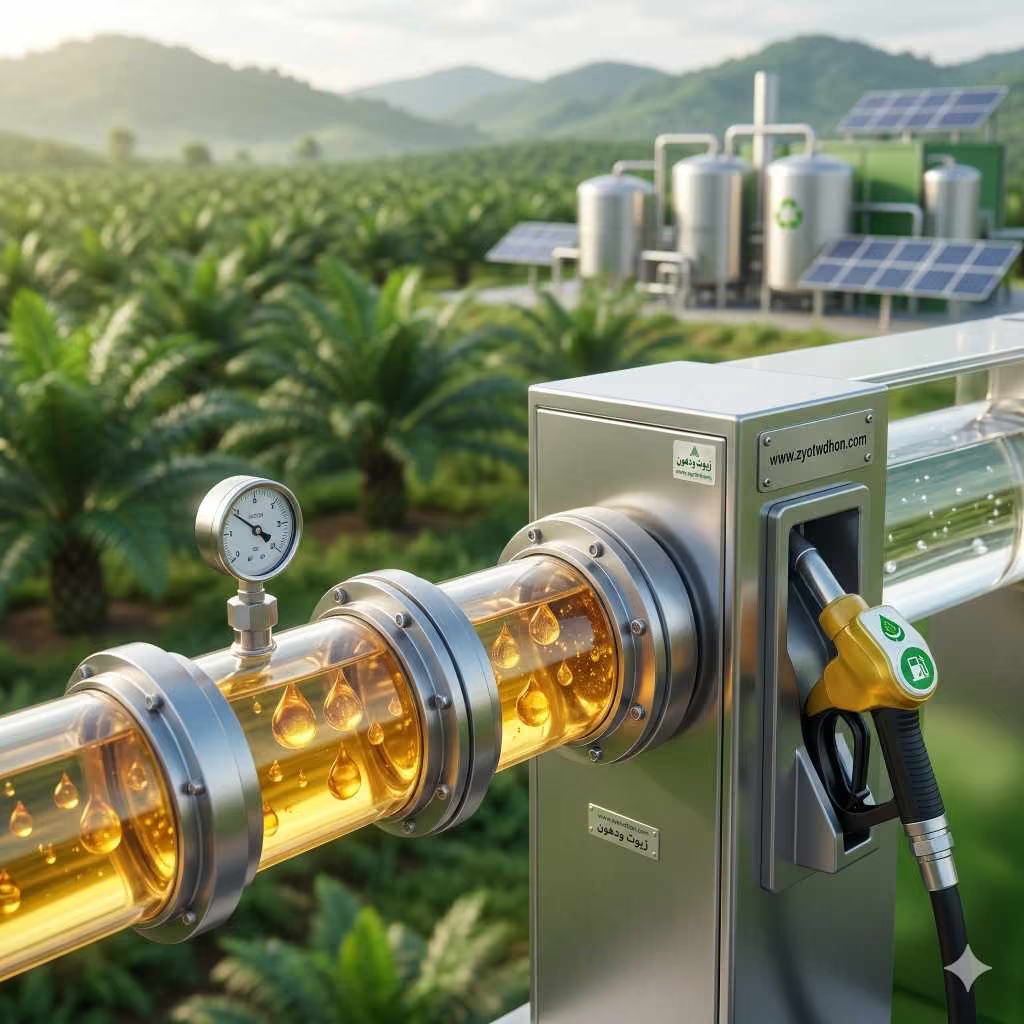
The move to transition to the B15 biodiesel program — which raises the palm oil-based biodiesel blend from B10 to B15 — comes at a critical time when global fuel prices remain elevated and supply uncertainties persist, according to CGS International economist Nazmi Idris.
This step is expected to strengthen demand for palm oil domestically, providing additional price support for the commodity and benefiting Malaysian palm oil producers. The higher blending mandate will require an additional estimated 400,000 to 500,000 metric tonnes of crude palm oil per year for the domestic biodiesel program.
However, Nazmi noted that the long-term sustainability of the B15 program hinges on the relative price spread between crude palm oil and petroleum diesel. When palm oil prices are high relative to fossil fuel alternatives, the cost of the biodiesel subsidy program rises sharply, potentially straining government finances and raising questions about the program's economic viability over the long run.
The analyst also pointed out that while the transition to B15 is a positive short-term demand catalyst for the plantation sector, policymakers will need to develop a more robust and flexible pricing mechanism to ensure the program remains economically sustainable across different commodity price environments.
Despite these concerns, the plantation sector has broadly welcomed the B15 announcement, with analysts upgrading their outlook for Malaysian palm oil producers and maintaining an overweight position on the sector ahead of what they expect to be a stronger second half of 2026.