 Advertise
Olive oil: a vegetable oil extracted from the fruit of the olive tree, governed by Codex standard CXS 33. A comprehensive reference covering grades, fatty acids, production, and uses.
Olea europaea L.
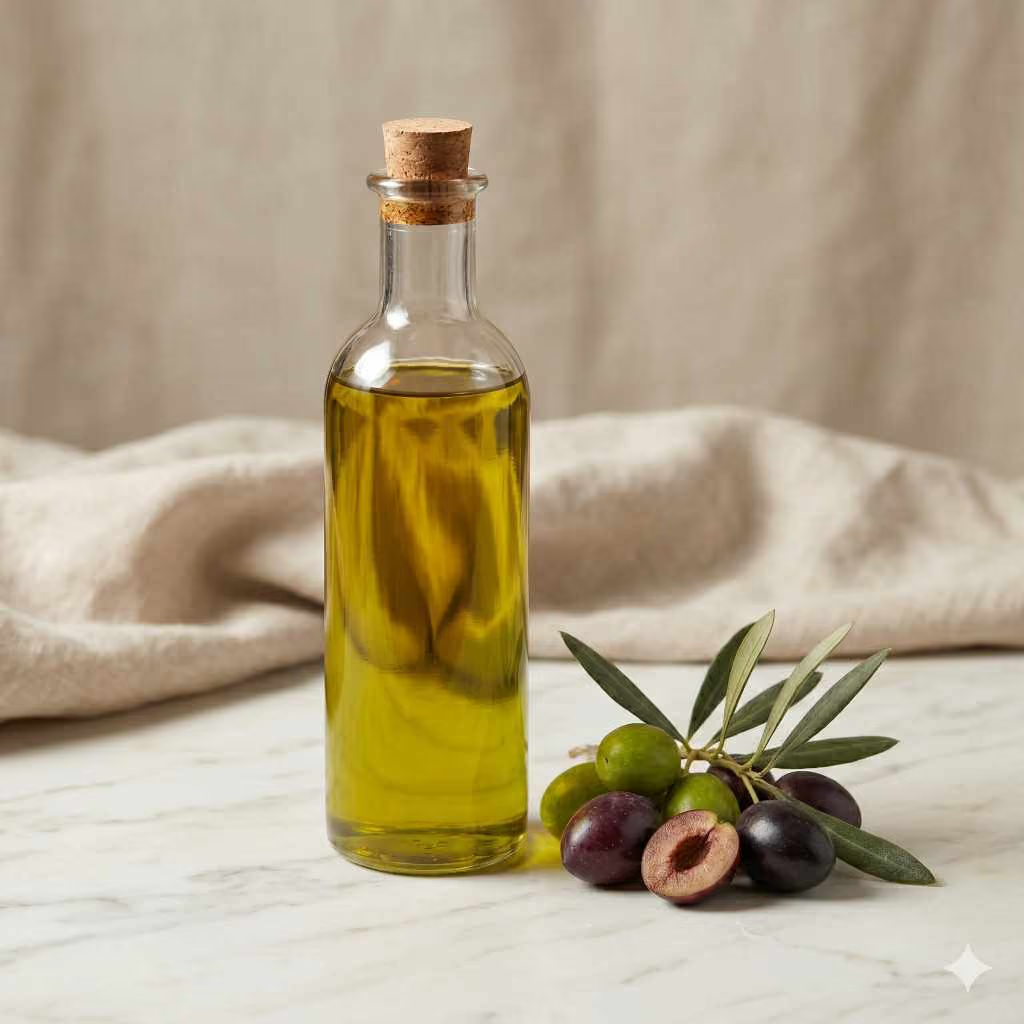
Olive oil is a vegetable oil extracted exclusively from the fruit of the olive tree Olea europaea L. It is one of the oldest oils known to humankind and the most closely tied to the civilizations of the Mediterranean basin. Olive oil is governed by Codex Alimentarius standard CXS 33-1981, derived from CXS 210, which classifies it into seven grades according to the extraction method and the degree of free acidity.
Olive oil grades fall into three groups: virgin olive oils obtained solely by mechanical means (extra virgin with acidity ≤ 0.8 g/100g, virgin ≤ 2.0, ordinary virgin ≤ 3.3); refined olive oil that is industrially processed; and olive pomace oil extracted from olive pomace using solvents. The virgin grades are fresh oils that have undergone no chemical treatment and retain their natural antioxidants and phenolic compounds.
The chemical composition of olive oil is unique among vegetable oils: it contains a high proportion of oleic acid (55-83% omega-9), considered one of the healthiest fatty acids, along with palmitic acid (7.5-20%), linoleic acid (3.5-21% omega-6), and linolenic acid (≤ 1% omega-3). The omega-6:omega-3 ratio is about 13:1, moderate compared with other seed oils. It also contains bioactive compounds such as polyphenols, tocopherols (vitamin E), and squalene.
According to USDA data for the 2025/26 season, global production reached 3.28 million tons, or 1.4% of the vegetable oil market. The European Union leads production with 2.09 million tons (mainly Spain, Italy, and Greece), followed by Turkey with 0.21 million tons. Tunisia, Morocco, Jordan, Syria, and Egypt are major producers in the Arab world, and production is gradually expanding in the United States, Australia, and Chile.
Extra virgin olive oil is used raw in salads and for dipping, or added at the end of cooking to preserve its flavor and bioactive compounds. The refined grades are used for everyday cooking and frying. Industrially, it goes into traditional soap-making (Nabulsi, Aleppo, and Marseille soaps), cosmetics, pharmaceuticals, and hair and skin care products.
HS Code
1509
Oil percentage in the seed/fruit
15-30%
Oil yield/hectare
500 kg/ha
Omega-6:Omega-3
13:1
2025/26 (April 2026 estimates)
Global Production
3.28
million tons
Global Consumption
3.04
million tons
Market Share
1.4
%
Source: USDA-FAS PSD Online
يخضع زيت الزيتون لمواصفة الدستور الغذائي التي تُصنّفه إلى سبع فئات متميزة.
Extra Virgin Olive Oil
≤ 0.8
Virgin olive oil obtained from the fruit of the olive tree solely by mechanical or other physical means under conditions that do not lead to deterioration of the oil, and which has not undergone any treatment other than washing, decantation, centrifugation and filtration. Its free acidity, expressed as oleic acid, is not more than 0.8 grams per 100 grams.
| Fatty Acid | Percentage (%) |
|---|---|
| Myristic C14:0 | ≤ 0.05 |
| Palmitic C16:0 | 7.5 – 20.0 |
| Palmitoleic C16:1 | 0.3 – 3.5 |
| Heptadecanoic C17:0 | ≤ 0.3 |
| Heptadecenoic C17:1 | ≤ 0.3 |
| Stearic C18:0 | 0.5 – 5.0 |
| Oleic C18:1 | 55.0 – 83.0 |
| Linoleic C18:2 | 3.5 – 21.0 |
| Linolenic C18:3 | ≤ 1.0 |
| Arachidic C20:0 | ≤ 0.6 |
| Eicosenoic (Gadoleic) C20:1 | ≤ 0.4 |
| Behenic C22:0 | ≤ 0.2 (≤ 0.3 for olive-pomace oil) |
| Lignoceric C24:0 | ≤ 0.2 |
Trans fatty acids (C18:1 T and C18:2 T + C18:3 T) are shown in the Quick Facts cards. Values are expressed as a percentage of total fatty acids by gas chromatography.
| Sterol | Limit (% of total sterols) |
|---|---|
| Cholesterol | ≤ 0.5 |
| Brassicasterol | ≤ 0.1 (≤ 0.2 for olive-pomace oils) |
| Campesterol | ≤ 4.0 |
| Stigmasterol | < Campesterol |
| Delta-7-stigmastenol | ≤ 0.5 |
| Beta-sitosterol + Delta-5-avenasterol + others | ≥ 93.0 |
Values are expressed as a percentage of total sterols per CXS 33-1981.
Virgin Olive Oil
≤ 2.0
Virgin olive oil obtained from the fruit of the olive tree solely by mechanical or physical means, with no chemical treatment. Its free acidity, expressed as oleic acid, is not more than 2 grams per 100 grams.
| Fatty Acid | Percentage (%) |
|---|---|
| Myristic C14:0 | ≤ 0.05 |
| Palmitic C16:0 | 7.5 – 20.0 |
| Palmitoleic C16:1 | 0.3 – 3.5 |
| Heptadecanoic C17:0 | ≤ 0.3 |
| Heptadecenoic C17:1 | ≤ 0.3 |
| Stearic C18:0 | 0.5 – 5.0 |
| Oleic C18:1 | 55.0 – 83.0 |
| Linoleic C18:2 | 3.5 – 21.0 |
| Linolenic C18:3 | ≤ 1.0 |
| Arachidic C20:0 | ≤ 0.6 |
| Eicosenoic (Gadoleic) C20:1 | ≤ 0.4 |
| Behenic C22:0 | ≤ 0.2 (≤ 0.3 for olive-pomace oil) |
| Lignoceric C24:0 | ≤ 0.2 |
Trans fatty acids (C18:1 T and C18:2 T + C18:3 T) are shown in the Quick Facts cards. Values are expressed as a percentage of total fatty acids by gas chromatography.
| Sterol | Limit (% of total sterols) |
|---|---|
| Cholesterol | ≤ 0.5 |
| Brassicasterol | ≤ 0.1 (≤ 0.2 for olive-pomace oils) |
| Campesterol | ≤ 4.0 |
| Stigmasterol | < Campesterol |
| Delta-7-stigmastenol | ≤ 0.5 |
| Beta-sitosterol + Delta-5-avenasterol + others | ≥ 93.0 |
Values are expressed as a percentage of total sterols per CXS 33-1981.
Ordinary Virgin Olive Oil
≤ 3.3
Virgin olive oil whose free acidity, expressed as oleic acid, is not more than 3.3 grams per 100 grams. This product may be sold directly to the consumer only if permitted in the country of retail sale.
| Fatty Acid | Percentage (%) |
|---|---|
| Myristic C14:0 | ≤ 0.05 |
| Palmitic C16:0 | 7.5 – 20.0 |
| Palmitoleic C16:1 | 0.3 – 3.5 |
| Heptadecanoic C17:0 | ≤ 0.3 |
| Heptadecenoic C17:1 | ≤ 0.3 |
| Stearic C18:0 | 0.5 – 5.0 |
| Oleic C18:1 | 55.0 – 83.0 |
| Linoleic C18:2 | 3.5 – 21.0 |
| Linolenic C18:3 | ≤ 1.0 |
| Arachidic C20:0 | ≤ 0.6 |
| Eicosenoic (Gadoleic) C20:1 | ≤ 0.4 |
| Behenic C22:0 | ≤ 0.2 (≤ 0.3 for olive-pomace oil) |
| Lignoceric C24:0 | ≤ 0.2 |
Trans fatty acids (C18:1 T and C18:2 T + C18:3 T) are shown in the Quick Facts cards. Values are expressed as a percentage of total fatty acids by gas chromatography.
| Sterol | Limit (% of total sterols) |
|---|---|
| Cholesterol | ≤ 0.5 |
| Brassicasterol | ≤ 0.1 (≤ 0.2 for olive-pomace oils) |
| Campesterol | ≤ 4.0 |
| Stigmasterol | < Campesterol |
| Delta-7-stigmastenol | ≤ 0.5 |
| Beta-sitosterol + Delta-5-avenasterol + others | ≥ 93.0 |
Values are expressed as a percentage of total sterols per CXS 33-1981.
Refined Olive Oil
≤ 0.3
Olive oil obtained from virgin olive oils by refining methods that do not lead to alterations in the initial glyceridic structure. Its free acidity, expressed as oleic acid, is not more than 0.3 grams per 100 grams. It may be sold directly to the consumer according to the requirements of the country of sale.
| Fatty Acid | Percentage (%) |
|---|---|
| Myristic C14:0 | ≤ 0.05 |
| Palmitic C16:0 | 7.5 – 20.0 |
| Palmitoleic C16:1 | 0.3 – 3.5 |
| Heptadecanoic C17:0 | ≤ 0.3 |
| Heptadecenoic C17:1 | ≤ 0.3 |
| Stearic C18:0 | 0.5 – 5.0 |
| Oleic C18:1 | 55.0 – 83.0 |
| Linoleic C18:2 | 3.5 – 21.0 |
| Linolenic C18:3 | ≤ 1.0 |
| Arachidic C20:0 | ≤ 0.6 |
| Eicosenoic (Gadoleic) C20:1 | ≤ 0.4 |
| Behenic C22:0 | ≤ 0.2 (≤ 0.3 for olive-pomace oil) |
| Lignoceric C24:0 | ≤ 0.2 |
Trans fatty acids (C18:1 T and C18:2 T + C18:3 T) are shown in the Quick Facts cards. Values are expressed as a percentage of total fatty acids by gas chromatography.
| Sterol | Limit (% of total sterols) |
|---|---|
| Cholesterol | ≤ 0.5 |
| Brassicasterol | ≤ 0.1 (≤ 0.2 for olive-pomace oils) |
| Campesterol | ≤ 4.0 |
| Stigmasterol | < Campesterol |
| Delta-7-stigmastenol | ≤ 0.5 |
| Beta-sitosterol + Delta-5-avenasterol + others | ≥ 93.0 |
Values are expressed as a percentage of total sterols per CXS 33-1981.
Olive Oil
≤ 1.0
A blend of refined olive oil and virgin olive oils fit for human consumption. Its free acidity, expressed as oleic acid, is not more than 1 gram per 100 grams. The country of retail sale may require a more specific designation.
| Fatty Acid | Percentage (%) |
|---|---|
| Myristic C14:0 | ≤ 0.05 |
| Palmitic C16:0 | 7.5 – 20.0 |
| Palmitoleic C16:1 | 0.3 – 3.5 |
| Heptadecanoic C17:0 | ≤ 0.3 |
| Heptadecenoic C17:1 | ≤ 0.3 |
| Stearic C18:0 | 0.5 – 5.0 |
| Oleic C18:1 | 55.0 – 83.0 |
| Linoleic C18:2 | 3.5 – 21.0 |
| Linolenic C18:3 | ≤ 1.0 |
| Arachidic C20:0 | ≤ 0.6 |
| Eicosenoic (Gadoleic) C20:1 | ≤ 0.4 |
| Behenic C22:0 | ≤ 0.2 (≤ 0.3 for olive-pomace oil) |
| Lignoceric C24:0 | ≤ 0.2 |
Trans fatty acids (C18:1 T and C18:2 T + C18:3 T) are shown in the Quick Facts cards. Values are expressed as a percentage of total fatty acids by gas chromatography.
| Sterol | Limit (% of total sterols) |
|---|---|
| Cholesterol | ≤ 0.5 |
| Brassicasterol | ≤ 0.1 (≤ 0.2 for olive-pomace oils) |
| Campesterol | ≤ 4.0 |
| Stigmasterol | < Campesterol |
| Delta-7-stigmastenol | ≤ 0.5 |
| Beta-sitosterol + Delta-5-avenasterol + others | ≥ 93.0 |
Values are expressed as a percentage of total sterols per CXS 33-1981.
Refined Olive-Pomace Oil
≤ 0.3
The oil obtained from crude olive pomace oil by refining methods that do not lead to alterations in the initial glyceridic structure. Its free acidity, expressed as oleic acid, is not more than 0.3 grams per 100 grams.
| Fatty Acid | Percentage (%) |
|---|---|
| Myristic C14:0 | ≤ 0.05 |
| Palmitic C16:0 | 7.5 – 20.0 |
| Palmitoleic C16:1 | 0.3 – 3.5 |
| Heptadecanoic C17:0 | ≤ 0.3 |
| Heptadecenoic C17:1 | ≤ 0.3 |
| Stearic C18:0 | 0.5 – 5.0 |
| Oleic C18:1 | 55.0 – 83.0 |
| Linoleic C18:2 | 3.5 – 21.0 |
| Linolenic C18:3 | ≤ 1.0 |
| Arachidic C20:0 | ≤ 0.6 |
| Eicosenoic (Gadoleic) C20:1 | ≤ 0.4 |
| Behenic C22:0 | ≤ 0.2 (≤ 0.3 for olive-pomace oil) |
| Lignoceric C24:0 | ≤ 0.2 |
Trans fatty acids (C18:1 T and C18:2 T + C18:3 T) are shown in the Quick Facts cards. Values are expressed as a percentage of total fatty acids by gas chromatography.
| Sterol | Limit (% of total sterols) |
|---|---|
| Cholesterol | ≤ 0.5 |
| Brassicasterol | ≤ 0.1 (≤ 0.2 for olive-pomace oils) |
| Campesterol | ≤ 4.0 |
| Stigmasterol | < Campesterol |
| Delta-7-stigmastenol | ≤ 0.5 |
| Beta-sitosterol + Delta-5-avenasterol + others | ≥ 93.0 |
Values are expressed as a percentage of total sterols per CXS 33-1981.
Olive-Pomace Oil
≤ 1.0
A blend of refined olive pomace oil and virgin olive oils. Its free acidity, expressed as oleic acid, is not more than 1 gram per 100 grams.
| Fatty Acid | Percentage (%) |
|---|---|
| Myristic C14:0 | ≤ 0.05 |
| Palmitic C16:0 | 7.5 – 20.0 |
| Palmitoleic C16:1 | 0.3 – 3.5 |
| Heptadecanoic C17:0 | ≤ 0.3 |
| Heptadecenoic C17:1 | ≤ 0.3 |
| Stearic C18:0 | 0.5 – 5.0 |
| Oleic C18:1 | 55.0 – 83.0 |
| Linoleic C18:2 | 3.5 – 21.0 |
| Linolenic C18:3 | ≤ 1.0 |
| Arachidic C20:0 | ≤ 0.6 |
| Eicosenoic (Gadoleic) C20:1 | ≤ 0.4 |
| Behenic C22:0 | ≤ 0.2 (≤ 0.3 for olive-pomace oil) |
| Lignoceric C24:0 | ≤ 0.2 |
Trans fatty acids (C18:1 T and C18:2 T + C18:3 T) are shown in the Quick Facts cards. Values are expressed as a percentage of total fatty acids by gas chromatography.
| Sterol | Limit (% of total sterols) |
|---|---|
| Cholesterol | ≤ 0.5 |
| Brassicasterol | ≤ 0.1 (≤ 0.2 for olive-pomace oils) |
| Campesterol | ≤ 4.0 |
| Stigmasterol | < Campesterol |
| Delta-7-stigmastenol | ≤ 0.5 |
| Beta-sitosterol + Delta-5-avenasterol + others | ≥ 93.0 |
Values are expressed as a percentage of total sterols per CXS 33-1981.