 Advertise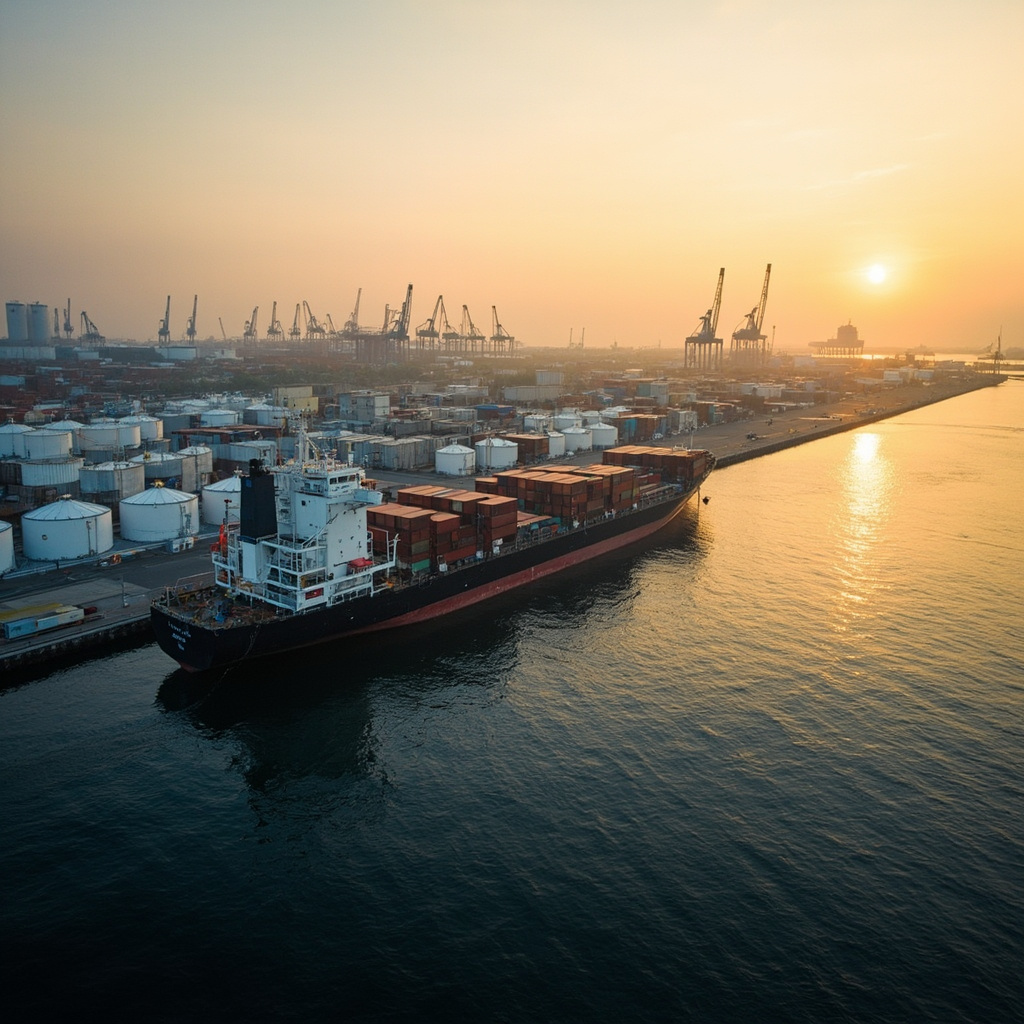
Rotterdam — Biodiesel prices at the Dutch port of Rotterdam have fallen to a record low this week, briefly trading below most standard marine bunker fuels once the cost of complying with European Union carbon rules and maritime emissions permits is included, reshaping the economics of low-emission shipping in Northern Europe.
The shift is being driven by a diesel price rally tied to Middle East supply disruptions, which has narrowed the gap between conventional bunker fuels and lower-emissions alternatives. Argus reports that biodiesel becomes cheaper than almost all conventional shipping fuels once EU carbon compliance costs are layered in. Producers have cut prices to move additional volume and meet EU emissions targets, while biodiesel manufactured from waste feedstocks such as palm oil mill effluent and used cooking oil remains largely insulated from this year's surge in fossil fuel prices.
Madeleine Jenkins, European biofuel pricing specialist at Argus, said the reversal should prompt shipowners to revisit their fuel strategies, since bio-marine fuels can often undercut marine gasoil after emissions savings under EU schemes are factored in. Biofuels can be used in most vessels with limited modifications, either blended with conventional fuel or burned in pure form, though their lower energy density means ships typically consume 7 to 10 per cent more fuel per voyage.
Sales of marine biodiesel blends in Rotterdam rose sharply year on year in the second quarter of 2026, more than doubling from the previous three months. The jump was supported by higher diesel prices and by Dutch regulations implementing the EU Renewable Energy Directive III, which require marine fuel suppliers to cut the emissions intensity of the fuels they sell under tightening annual targets. Suppliers that are behind target have responded by lowering prices and moving greater biofuel volumes.
The EU Emissions Trading System and the FuelEU Maritime regulation are also adding to the cost of carbon-intensive marine fuels for shipowners, further tilting the calculation toward biofuels. Jason Stefanatos, global decarbonisation director at DNV, noted that biofuels hold an advantage over alternatives such as methanol and ammonia because they are close to a drop-in solution for the existing fleet, with most modern engines able to run on them with little or no retrofitting.
Despite the price advantage, biofuels still account for only a small share of the global shipping fuel mix. DNV estimates the share at roughly 0.6 per cent, with growth constrained by competition from road transport and aviation for limited sustainable feedstocks, as well as by EU restrictions on eligible raw materials. Argus projects demand for advanced unblended biodiesel in Rotterdam at around 250,000 tonnes this year, equivalent to more than 40 per cent of an estimated 600,000-tonne global marine market.
Separately, Brazil has rolled out a new diesel subsidy program under which state-led Petrobras joined government support offering 1 real per litre for 30 days, with an option to extend and stack with an existing subsidy. The intervention has helped keep distributor diesel prices stable despite higher crude prices, underscoring how targeted policy tools can cushion fuel costs as broader geopolitical tensions feed into global energy markets.
Source: Traders Union