 Advertise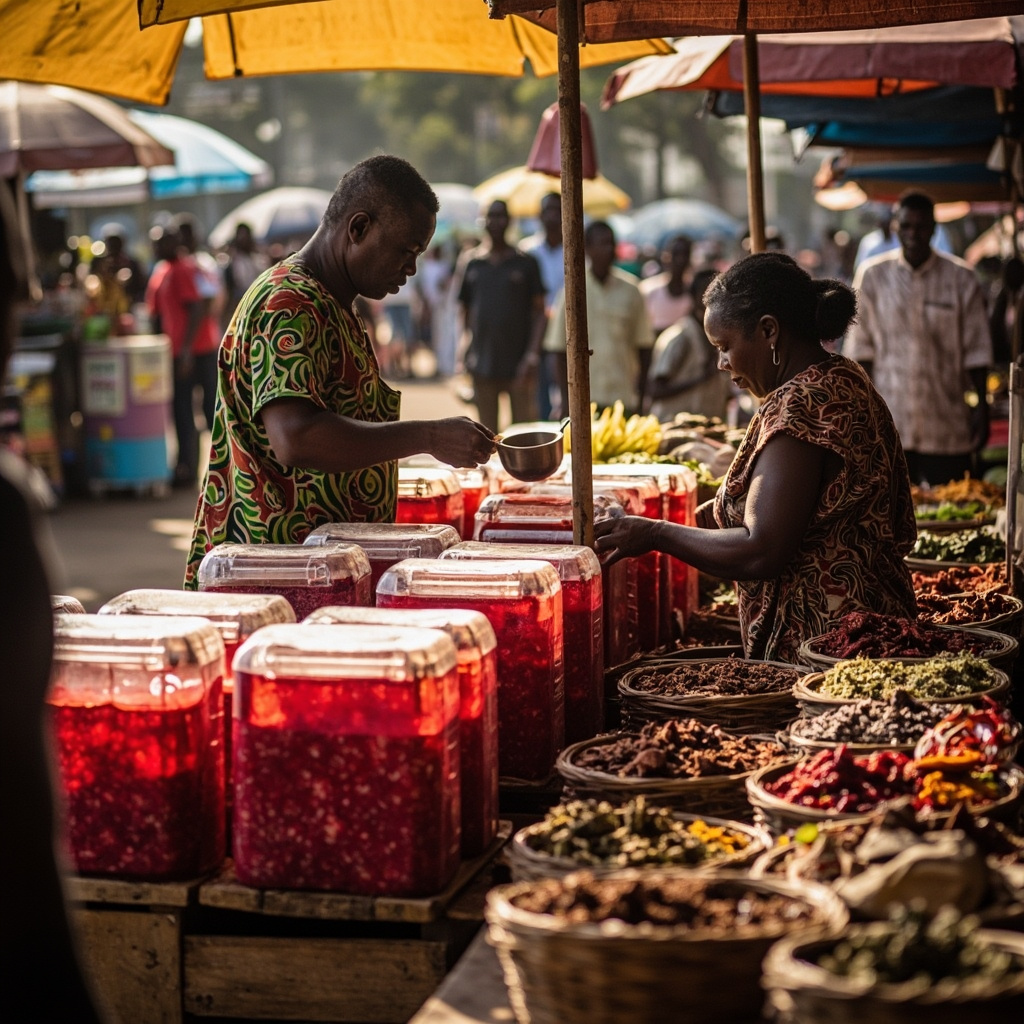
Nigeria's National Agency for Food and Drug Administration and Control (NAFDAC) has issued fresh warnings that millions of households across the country are unknowingly consuming hazardous chemical adulterants in their daily meals. Unscrupulous traders and processors are lacing palm oil and ground pepper with banned industrial dyes in order to maximise profits amid rising food inflation.
Health authorities and consumer protection agencies have raised urgent alarms regarding the widespread use of Sudan III and Sudan IV dyes, which transform low-grade, pale cooking oil into a visually appealing, deep crimson product that masks severe quality degradation.
Unrefined palm oil is naturally rich in beta-carotene, which gives it its characteristic red-orange hue and provides essential vitamins A and E. To cope with supply shortages and the high cost of premium oil, however, fraudulent processors have turned to chemical deception. Low-grade or diluted palm oil is secretly mixed with non-edible industrial dyes, candle wax, and heavy starches to artificially enhance its colour and viscosity.
The same deceptive practices have infiltrated the dry pepper market, where spoiled remnants, cassava flour, and fine sawdust are laced with dark textile dyes and kolanut to manufacture fake hot pepper. These adulterants are introduced long before the products reach open-market stalls, making visual detection by the average consumer extremely difficult.
The health implications of consuming Sudan dyes are profound and well-documented by global toxicological research. Sudan III and Sudan IV are banned azo dyes classified as category three carcinogens by international health bodies. When ingested, these synthetic chemicals undergo metabolic activation in the liver, producing reactive intermediates that can bind to DNA and cause severe mutagenic effects. Long-term consumption of adulterated palm oil and pepper significantly elevates the risk of developing liver, bladder, and gastrointestinal cancers. Furthermore, the ingestion of candle wax and heavy starches places an undue burden on the digestive system, potentially leading to severe gastrointestinal blockages and chronic malnutrition, particularly in vulnerable populations such as children and the elderly.
Experienced market vendors and food safety advocates emphasise that differentiating between original and adulterated products requires careful sensory evaluation. Genuine palm oil possesses a distinct, fresh palm kernel aroma and a natural, slightly lighter hue at the surface. In contrast, dye-laced oil often exhibits an unnatural, blood-like redness, feels unusually heavy and sticky in the mouth, and emits a foul chemical odour. When used in cooking, the fake oil rapidly alters the colour of fish and meat, a stark warning sign that should prompt immediate disposal. Despite these known indicators, the sheer volume of adulterated products flooding major urban markets such as Lagos makes individual consumer vigilance an insufficient safeguard against this systemic public health threat.
NAFDAC and the Lagos State Consumer Protection Agency have repeatedly issued public warnings and conducted market raids to seize adulterated products. However, NAFDAC faces a significant structural limitation: it lacks direct regulatory oversight over unbranded, open-market food commodities that are not packaged in registered, standardised formats. This regulatory blind spot allows fraudulent processors to operate with relative impunity in informal markets. Addressing the crisis requires a coordinated inter-agency approach combining stringent market surveillance, the prosecution of identified chemical suppliers, and widespread public education campaigns to empower consumers with the knowledge to identify and reject toxic food products.
Consumer advocacy groups are increasingly advocating the mandatory standardised packaging and traceability of all edible oils sold in Nigerian markets. By requiring all palm oil to be sold in sealed, NAFDAC-registered containers carrying unique batch numbers, authorities could effectively dismantle the informal open-air adulteration networks that currently thrive. Such a transition would require significant investment in local processing infrastructure and subsidies for small-scale producers, but it is widely regarded as the only sustainable long-term solution for guaranteeing food safety and protecting public health from the pervasive threat of industrial chemical adulteration.
Until these systemic enforcement gaps are closed, the silent trade in toxic red palm oil will continue to pose a severe, unquantified threat to the long-term health and wellbeing of the Nigerian population.
Source: streamlinefeed.co.ke