 Advertise
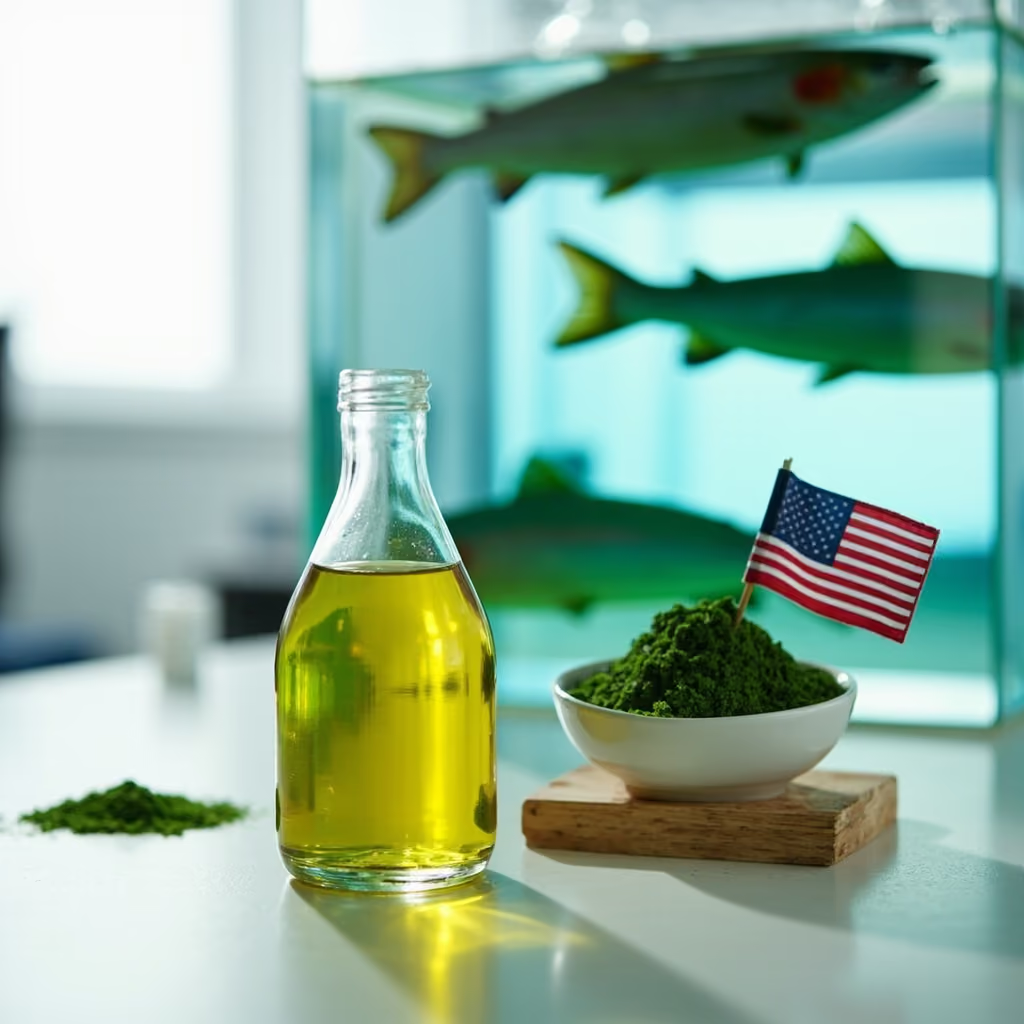
Researchers at the University of California, Santa Cruz (UCSC) have demonstrated that a combination of microalgae and canola oil can fully replace fishmeal and fish oil in the diet of rainbow trout without compromising growth or digestion. This discovery, published in the journal 'Antioxidants', suggests that alternative feed formulations could significantly decouple the aquaculture industry from its reliance on wild-caught fish.
In a comprehensive feeding trial lasting over two months, the research team tested a formulation featuring two microalgae species—'Nannochloropsis oculata' and 'Schizochytrium'—integrated with canola oil. The results indicated that trout fed this alternative diet achieved growth and digestive performance comparable to those receiving conventional marine-based feed. Crucially, the nutritional profile and quality of the fish fillets were maintained throughout the study.
Fishmeal and fish oil are staples in aquaculture due to their rich protein and essential fatty acid content. However, their production depends on wild-caught species like anchovies and sardines, raising ecological concerns regarding marine ecosystem pressure. 'This is really groundbreaking,' stated Pallab Sarker, an associate professor at UC Santa Cruz. He emphasized that sustainable alternatives are essential for global food security without depleting vital marine resources.
This latest study builds on previous work where fishmeal was replaced by a byproduct of 'Nannochloropsis oculata', supplemented with taurine and lecithin. In this new phase, the researchers successfully eliminated fish oil by incorporating 'Schizochytrium' in either oil or whole-cell form alongside canola oil. The combination proved particularly effective when 'Schizochytrium' was used in its whole-cell form. Microalgae offer a more stable supply chain because they can be cultivated independently of wild populations and recovered as byproducts from supplement production.
Despite the promising results, commercial viability depends on addressing costs and scaling production. Anne Kapuscinski, director of UCSC’s Coastal Science and Policy Program, noted that replacing ocean-derived nutrients with microalgae could provide producers with a more stable economic outlook, shielding them from the price volatility and supply fluctuations of fishmeal and fish oil caused by warming oceans.
The team’s findings were further validated through trials at Mt. Lassen Trout Farm and a California Department of Fish and Wildlife hatchery, which showed no statistically significant difference in growth compared to commercial feeds. The research received funding from California Sea Grant and the U.S. Department of Agriculture. Additionally, the researchers explored other applications for microalgae protein, finding that its inclusion in ketchup boosted nutritional value without significantly altering the flavor profile.
Source: Global Seafood Alliance