 Advertise
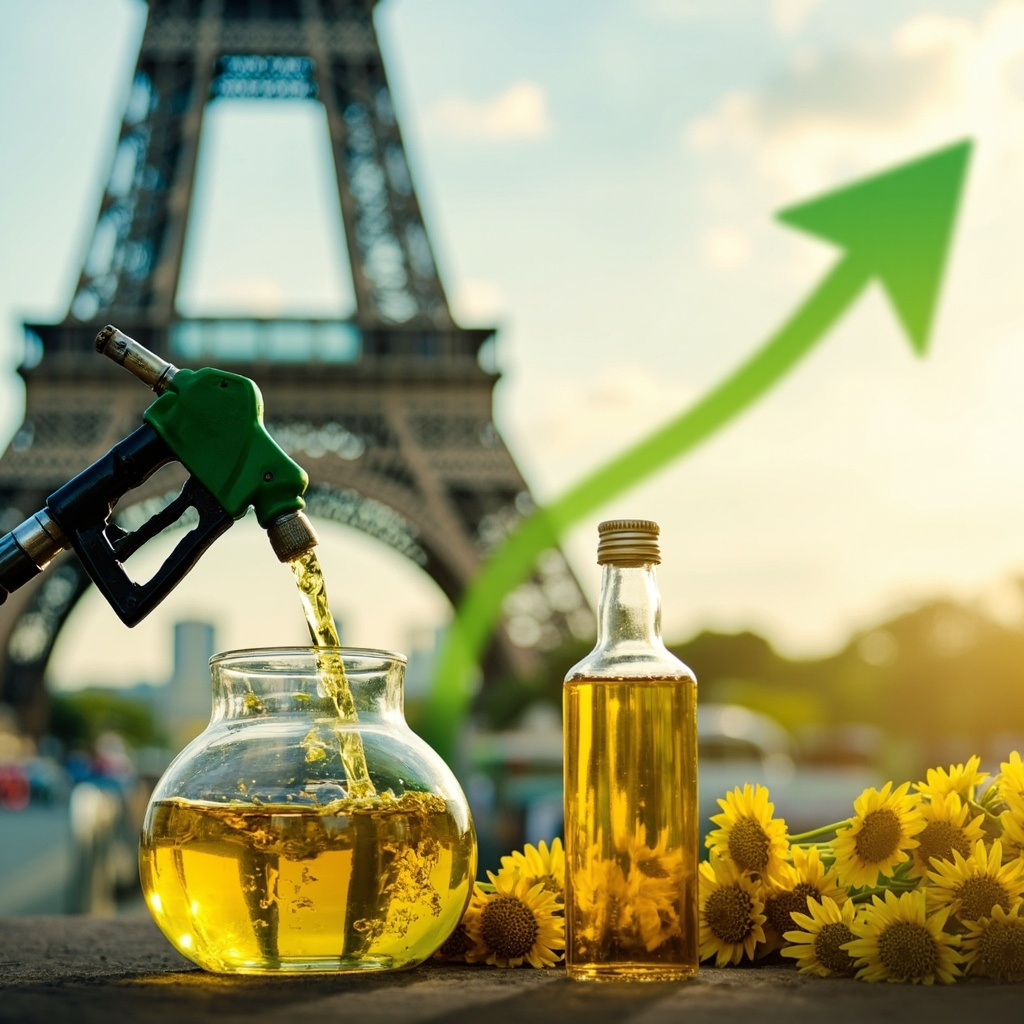
According to recent assessments by the European Biodiesel Association (EWABA), transitioning from the current B7 standard to a B10 mandate could enable the European Union to replace approximately 4 to 5 million tons (roughly 30 to 37 million barrels) of fossil diesel with biodiesel. This volume is equivalent to about 8 to 10 days of the total fuel consumption by passenger vehicles across the EU.
EWABA clarified that these figures represent a potential for substitution rather than a definitive consumption forecast. To realize this potential, the association advocates for increasing the operational load of existing processing facilities and dismantling regulatory hurdles that currently restrict the production of fuels with higher biocomponent concentrations. Such measures are aimed at curbing the bloc's heavy reliance on external energy suppliers.
Data from Eurostat underscores the urgency of this transition, revealing that the EU was 95% dependent on oil imports in 2023, with transport accounting for 32.3% of final energy consumption by 2024. By the second quarter of 2026, the value of imported oil surged 55.8% above the 2025 monthly average, despite physical supply volumes growing by a mere 1.2%.
While B10 usage falls under the European standard EN 16734, adoption varies by member state. France already offers B10 commercially, with specific fleet permits existing for B30 and B100 blends. In Portugal, B15 is available at more than 160 stations, while Italy has mandated that B7 be accessible at a minimum of 30% of petrol stations in every province by 2026. In March 2026, AGQM updated its technical recommendations for higher biodiesel blends across 20 major vehicle and engine manufacturers.
Globally, the shift toward higher blends is accelerating. Indonesia implemented a B50 mandate in July 2026, Brazil introduced mandatory B15 in August 2025, and Malaysia has commenced its transition from B10 to B15.
Despite this momentum, EWABA expressed concerns that the European RED III directive restricts biodiesel from specific feedstocks to just 1.7% of transport energy consumption, barring special state exemptions. The association is calling for a revision of these limits while upholding rigorous sustainability criteria for raw materials.
Europe currently hosts over 70 waste-to-biodiesel plants, yet these facilities are operating at only 50% capacity. To stimulate demand, EWABA suggests improving B10 availability through targeted tax incentives and maintaining network coverage for B7. Industry projections from Germany suggest that in the first half of 2026, B10 could be priced approximately 0.03 €/l lower than B7, depending on market volatility.
Ultimately, EWABA maintains that optimizing existing plant capacity will slash fossil fuel imports, bolster employment, and enhance waste recycling efforts without requiring new infrastructure investments.
Source: Ukrainian Electronic Grain Exchange