 Advertise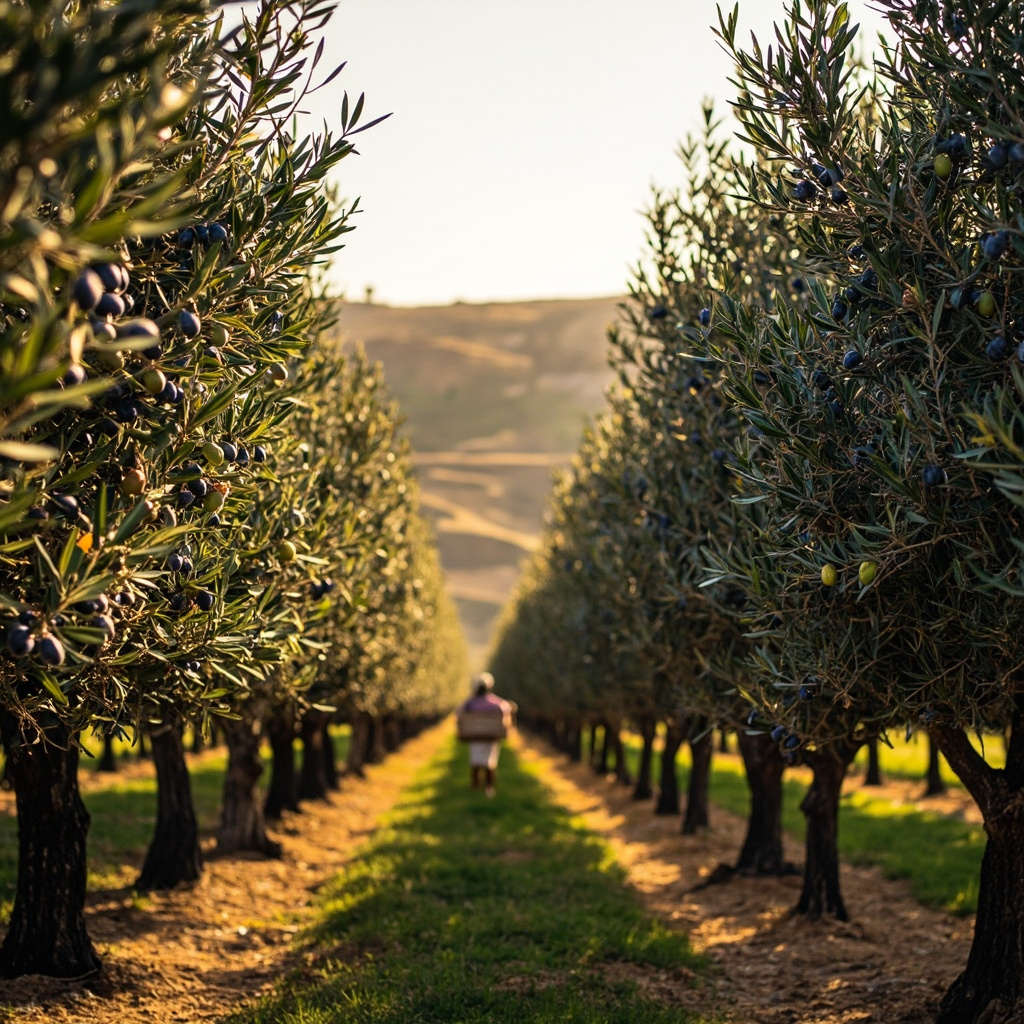
The Director General of the Jordanian Farmers Union, Mahmoud Al-Awran, announced that initial indicators for the current olive season point to an abundant harvest compared with previous years, driven by an excellent rainfall season that extended from early autumn to early spring. The favorable weather has positively affected flowering rates and fruit setting across the country's governorates.
Speaking in a televised interview, Al-Awran explained that the recent precipitation has helped revive both the plant and animal agriculture sectors, following earlier seasons of drought that had significantly reduced production volumes.
He outlined that olive harvesting and pressing dates in Jordan are distributed across three main production regions: the Jordan Valley, the Shafa Ghor areas, and the mountainous regions. The official start of pressing operations and the opening of olive mills are determined exclusively by the Jordanian Ministry of Agriculture. Current expectations point to the launch of the season in mid-October, ensuring full coverage of farmers' needs and the complete supply of the local harvest to the mills and subsequently to the markets.
Al-Awran stressed that any discussion about pricing per tin of olive oil remains premature at this stage, as prices are governed by field supply-and-demand dynamics.
He warned consumers against misleading advertisements circulating on social media platforms that claim to sell this season's oil at discounted prices ranging between 50 and 60 Jordanian dinars. He questioned how oil from the current season could possibly be available before the official start of pressing operations, urging traders to act ethically and refrain from exploiting consumers.
Al-Awran called on regulatory bodies and civil society organizations to intensify field monitoring to prevent the mixing of imported oil remaining from previous seasons with local produce, or its sale as local oil. He urged citizens to purchase their needs from trusted sources to guarantee product quality.
Agricultural unions emphasize that protecting local olive oil assets is a top priority to support citizens' purchasing power, while official reports confirm that coordinated stakeholder efforts can close loopholes for commercial fraud and protect consumers across all governorates. The farmers' representative body also calls for strict adherence to the instructions issued by licensed mills and the relevant ministries.
It is worth noting that the recent rainfall season has delivered agricultural stability that has helped boost the productive capacity of Jordan's olive trees.
Source: Roya News