 Advertise
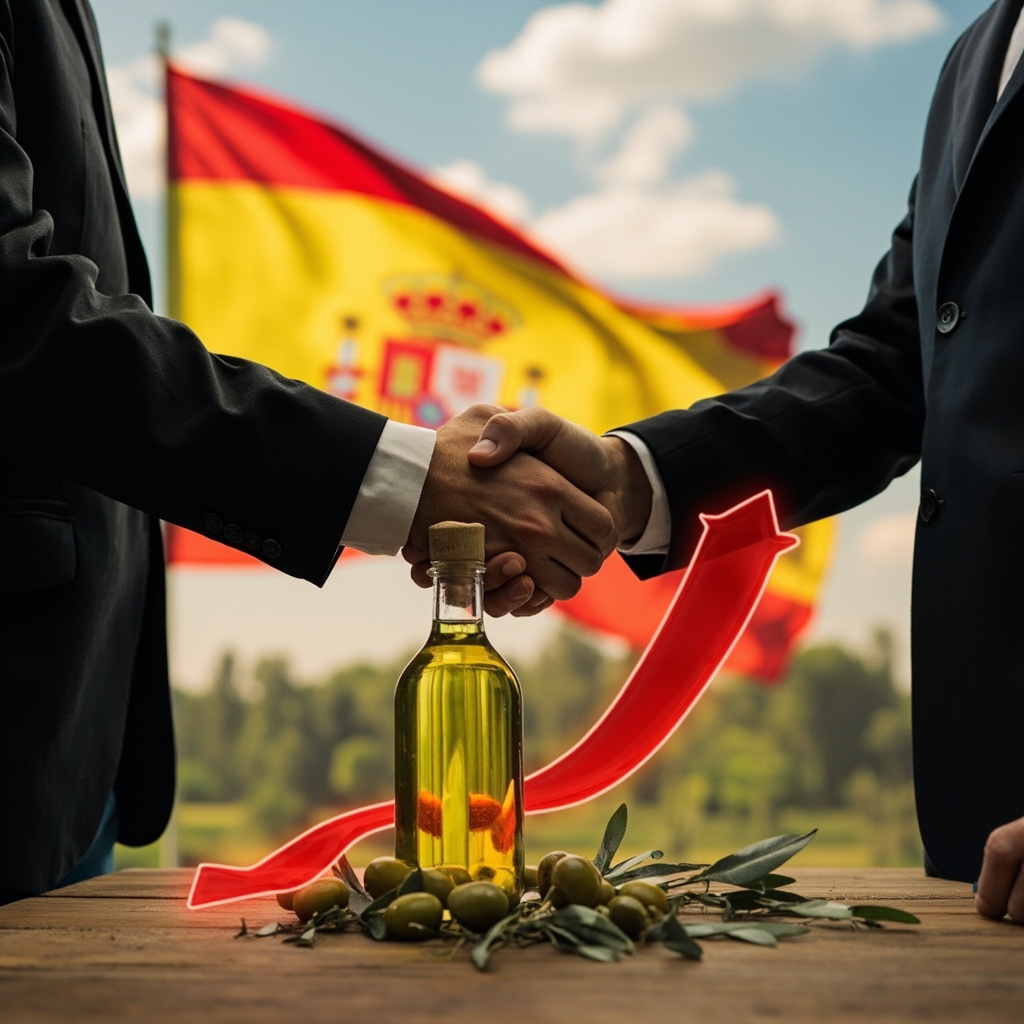
Shares of Deoleo, the world's leading olive oil producer, saw a sharp decline of nearly 20% on Thursday following the announcement of a major takeover deal by two of its primary Spanish rivals. The acquisition, involving Dcoop and Acesur, is set to further consolidate Spain's preeminent position in the global olive oil industry. Under the terms of the agreement, Dcoop and Acesur will each secure a 50% stake in the company, creating a dominant regional force.
Deoleo confirmed it has accepted the offer, which values the enterprise at approximately 520 million euros ($583.2 million). Dcoop noted that the strategic objective behind the merger is to stimulate global olive oil consumption and provide essential support to farmers by enhancing value creation across the entire supply chain.
'This milestone marks the start of a new phase, built on solid foundations and with a long-term vision to continue creating value for the sector and all our stakeholders,' stated Deoleo CEO Cristóbal Valdés.
While the stock recently traded down 19.9%, it remains up approximately 55% since the start of the year. This annual growth has been bolstered by a stabilization in olive oil prices, which significantly boosted sales in the United States. The deal concludes an intense bidding war between Dcoop and various multinational firms from Italy, France, and Australia. Previously, Dcoop had reportedly bid 470 million euros for the company.
As a global benchmark for olive oil pricing, Spain's market dynamics are critical to the sector. Prices have remained volatile in recent years due to supply shocks caused by climate change, water scarcity, and disease. However, Valdés indicated that the most challenging period, which spanned from 2022 to 2024, is now over. He attributed the current price stabilization to improved rainfall patterns, marking the end of a difficult cycle for the industry.
Source: CNBC