 Advertise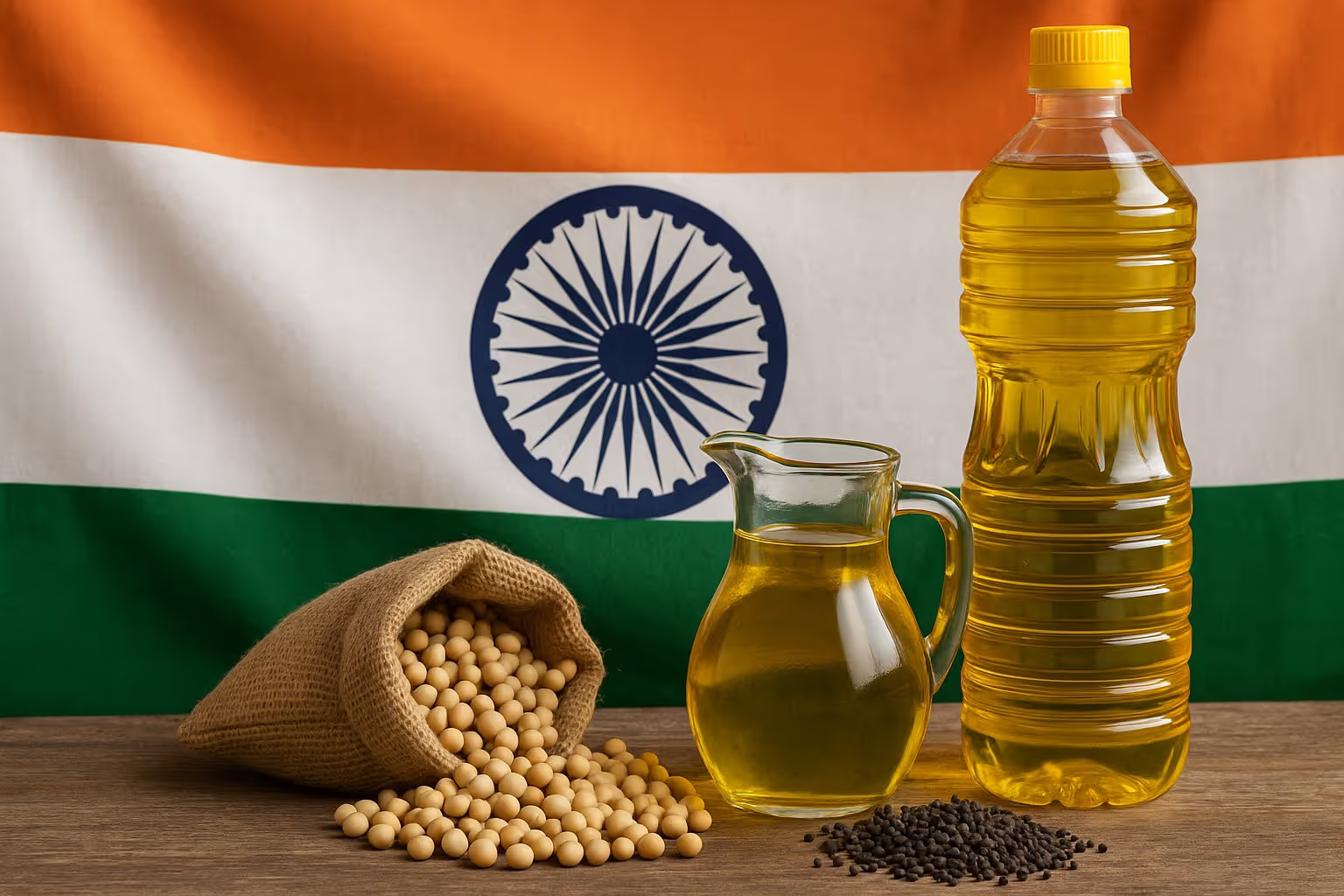
On 1 August 2025, the Indian government—the world's largest consumer of vegetable oils—officially began enforcing the Vegetable Oil Products (Regulation of Production and Availability) Order 2025, which introduces strict measures to strengthen transparency and oversight in the edible oils sector. The comprehensive framework requires all vegetable oil producers to register with the Directorate of Sugar and Vegetable Oils and to submit detailed monthly reports on production, stock levels and sales, with reports due before the 15th of each month.
The new regulation grants authorities expanded powers to conduct surprise inspections of plants and seize stock if false or misleading information is discovered. Although industry bodies have largely welcomed the initiative as a step towards preventing monopolistic practices and price manipulation, concerns persist over the difficulty of compliance, particularly for the many small, unorganised mills scattered across the country.
The edible oils market is a cornerstone of India's food economy, with the country being the world's largest importer of vegetable oils. Gaps in data and outdated regulatory frameworks have hampered effective oversight, leading to price volatility and irregular supplies, particularly amid recent global disruptions.
The VOPPA 2025 order updates rules that had been in place since 2011, requiring producers to disclose detailed information about their plants, including location, installed production capacity and operational status. Monthly reports must also include accurate figures on production volumes, opening and closing stocks, sales and purchases.
These measures aim to build a robust digital database that enables real-time tracking of supply chains, monitoring of abnormal stock build-ups, and swift action to address any market imbalances. Consumer affairs officials stress that improved monitoring mechanisms will protect consumers from price swings and ensure adequate product availability in the market.
India's edible oils sector relies heavily on imports, with palm oil accounting for around 60% of total imports. Despite efforts to boost domestic production, global price fluctuations continue to affect consumer costs and inflation.
Updating the regulatory framework became essential after it emerged that relying on data from industry associations was insufficient to tackle issues such as black-market activity and commodity hoarding. Food Secretary Sanjeev Chopra highlighted the role of digital technologies in enabling data to be collected directly from producers, helping to support faster and more transparent policy decisions—though supporting small producers remains a fundamental challenge on this path.