 Advertise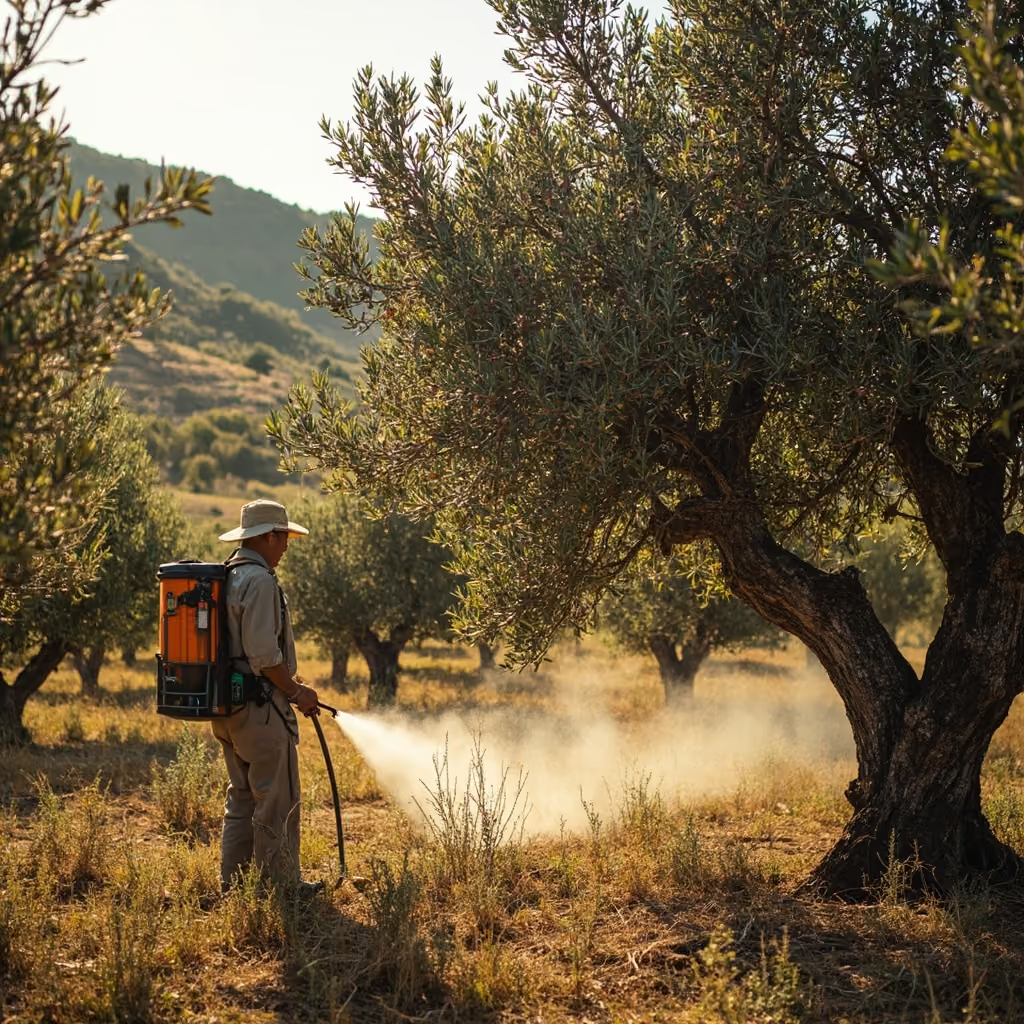
The Greek island of Crete is entering a decisive phase in its fight against the olive fruit fly, with September expected to be the turning point for safeguarding this year's olive harvest.
As weather patterns continue to create favorable conditions for the pest to spread, the Region of Crete reports that monitoring and spraying operations are underway across the island. A second island-wide treatment round is nearing completion, while a third application has already been carried out in several northern areas.
'Now is the time to win the battle against the olive fruit fly,' said Stavros Tzedakis, the Region of Crete's Deputy Regional Governor for Agricultural Economy, in remarks to local outlet Cretalive.
The warning carries weight well beyond the island's olive groves. Olive oil ranks as one of Crete's most important economic pillars after tourism, sustaining farming households while feeding into the island's restaurant sector, food businesses, exports, and a wide range of products spanning cosmetics to traditional foods. A poor harvest therefore triggers consequences that ripple far beyond the producers themselves.
According to Tzedakis, recent weather conditions have fueled an increase in olive fruit fly populations, a trend corroborated by data from the region's monitoring trap network.
Particularly vulnerable this season are large-fruited olive varieties, groves with low to moderate fruit production, and irrigated plantations.
The Region confirms that the required pesticides have now arrived and that spraying operations are continuing. The second island-wide treatment is being finalized, while certain areas, particularly in northern Crete, have already received a third application. The coming weeks are set to be critical.
'Significant olive fruit fly populations are present right now, but the response of the services is immediate,' Tzedakis said, singling out September as the month when climatic conditions are expected to become especially favorable for the pest.
Spraying schedules and the designated areas are published by the Region of Crete through its olive fruit fly control program. Yet the fruit fly is not the only pest drawing attention this season.
The olive weevil, known scientifically as rynchites, is also raising concern. The insect feeds on young developing olives after fruit set and can contribute to fruit drop and reduced oil content if it is not detected and treated in time.
Tzedakis acknowledged concerns about fruit loss but expressed broad optimism regarding the harvest outlook, at least in terms of quantity.
That makes the next few weeks especially significant. For Crete, protecting the olives is not merely about safeguarding a crop; it is about protecting one of the island's economic foundations.
Cretalive reports that the region's response is already in motion, but with September approaching, the real test may be just beginning.
Source: Cretalive