 Advertise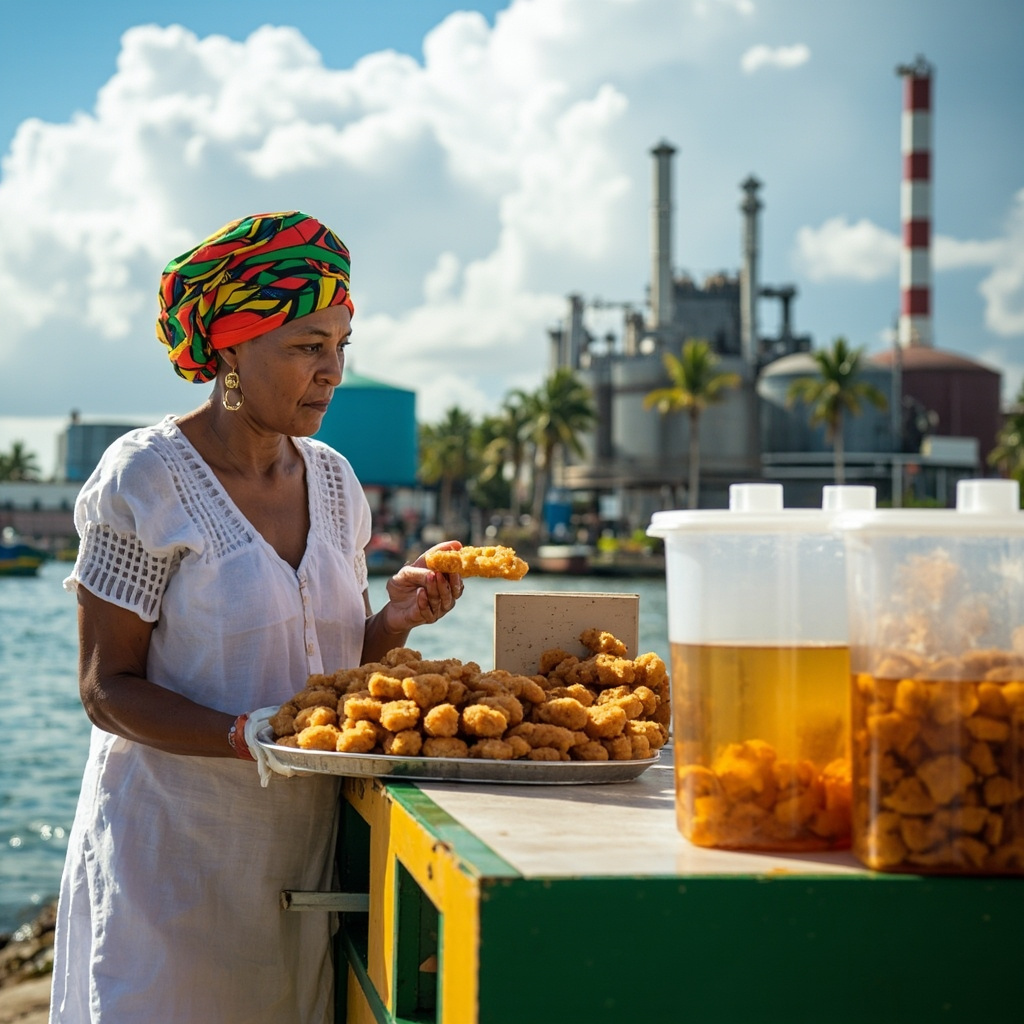
The waters off one of Brazil's most visited coastal cities have long carried an unwelcome reddish-orange sheen, mingling with beachgoers, kayakers, and the persistent turtles that nest along the shoreline. That stain is the tell-tale residue of used palm oil—specifically, the spent cooking fat from acarajé, the African-inspired fritter sold by thousands of street vendors known as baianas.
A new recycling initiative now aims to turn that environmental liability into clean energy. The program brings together the local city hall, the state-run oil giant Petrobras, and potentially thousands of acarajé saleswomen, building a closed-loop supply chain that captures waste cooking oil at the source and channels it into biofuel production.
The collaboration represents an unusual convergence of culinary heritage, municipal policy, and the energy sector. Petrobras, Brazil's dominant state-owned petroleum company, contributes the technical capacity to process the collected oil into renewable fuel, while the local government provides the regulatory and logistical framework. The baianas, in turn, supply both the feedstock and a powerful grassroots distribution network embedded in every neighborhood.
For the oils and fats industry, the project offers a working model of how downstream waste streams—often dismissed as a nuisance—can be monetized as feedstock for renewable diesel or sustainable aviation fuel. Used cooking oil from food service is increasingly viewed as a strategic input for advanced biofuels, particularly in markets seeking to reduce dependence on virgin vegetable oils and crude palm oil.
Brazil has long positioned itself as one of the world's leading biofuel producers, and is now extending that strategy to capture the value embedded in urban waste streams. Comparable collection schemes have emerged in Europe, North America, and parts of Asia, but the Brazilian model stands out for the cultural specificity of its supply chain: the acarajé vendors are not merely participants, but the foundation on which the entire program rests.
Beyond the environmental benefit of cleaner coastal waters, the initiative is expected to generate supplementary income for participating vendors, who will receive payment for the used oil they currently discard. Early indications suggest the program could scale to thousands of sellers across the metropolitan area.
The video report was produced by the Associated Press and shot by Lucas Dumphreys.
Source: Social News XYZ (via Associated Press)