 Advertise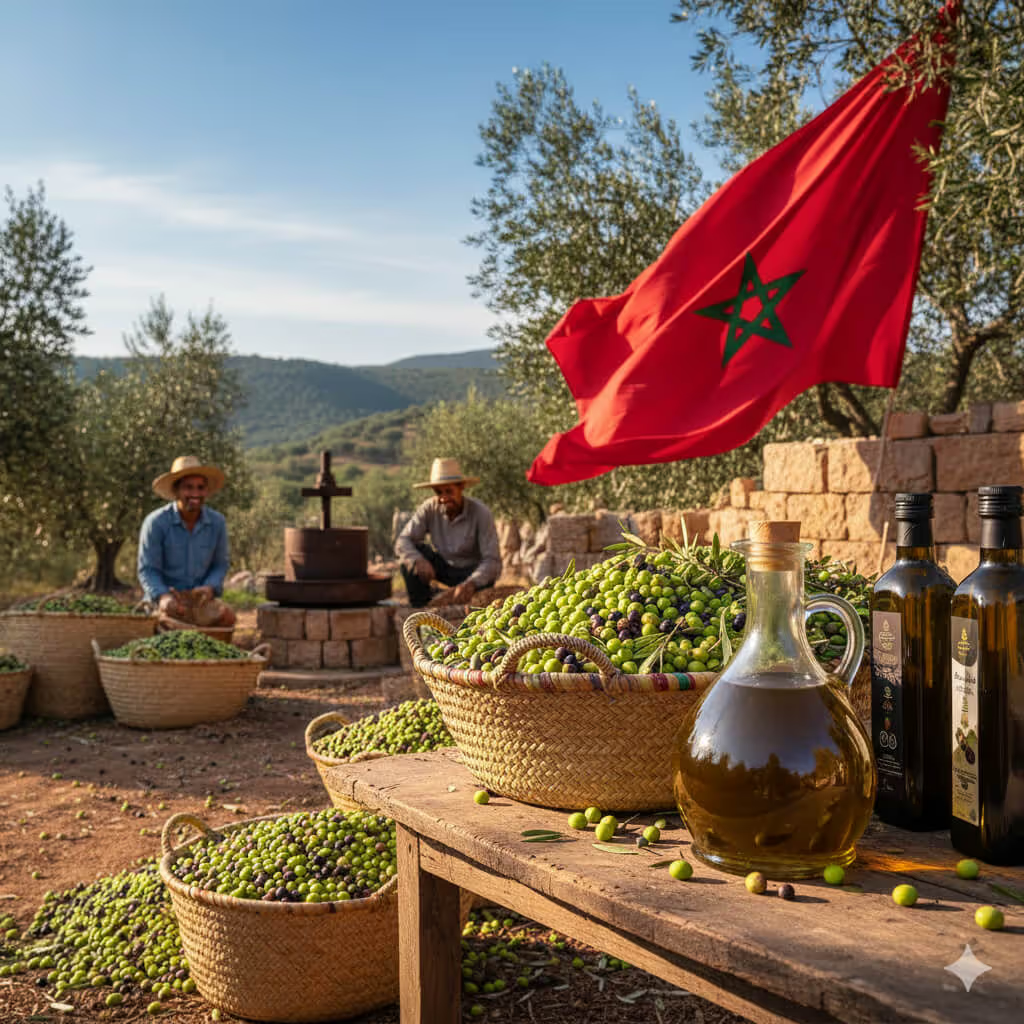
Olive oil prices in Morocco have recently seen a noticeable decline following the sharp increases recorded in previous seasons. Some commercial varieties are currently being sold at prices ranging between 75 and 85 dirhams per liter.
The 2025 olive oil season is expected to achieve record national production of around 200,000 tonnes, which could pave the way for further price declines.
The drop is attributed to two main factors: abundant domestic production and lower agricultural costs. Reports indicate that the current season is one of the most productive, opening the possibility for prices to fall to between 50 and 55 dirhams per liter in some areas.
While this decline offers relief to consumers after years of high prices, it creates new challenges for producers, particularly in storage, distribution, and export operations.
However, the fall in prices has also raised concerns among industry professionals that some suppliers may exploit the situation by promoting adulterated or low-quality oils. They stress that producers and processors must comply with quality and proper packaging standards to preserve the confidence of local and foreign consumers and protect the reputation of Moroccan olive oil in global markets.
Industry statements reveal a significant price gap. Some producers sell a liter for between 45 and 50 dirhams, while it is sold to consumers in the market for 70 dirhams or sometimes more than 100 dirhams. This highlights the role of intermediaries who increase profit margins without providing real added value.
Given these conditions, Moroccan consumers are advised to buy olive oil from trusted and certified sources and to rely on brands that guarantee product quality.
Regulatory authorities and the ministry responsible for agriculture are also expected to carry out effective inspection campaigns to prevent the spread of counterfeit oils or products that do not meet manufacturing standards, while applying legal penalties against violators.