 Advertise
Note: This article was AI-translated from Arabic and is currently under manual review. The author is not responsible for any translation errors. Please refer to the original Arabic text for the most accurate and authoritative information.
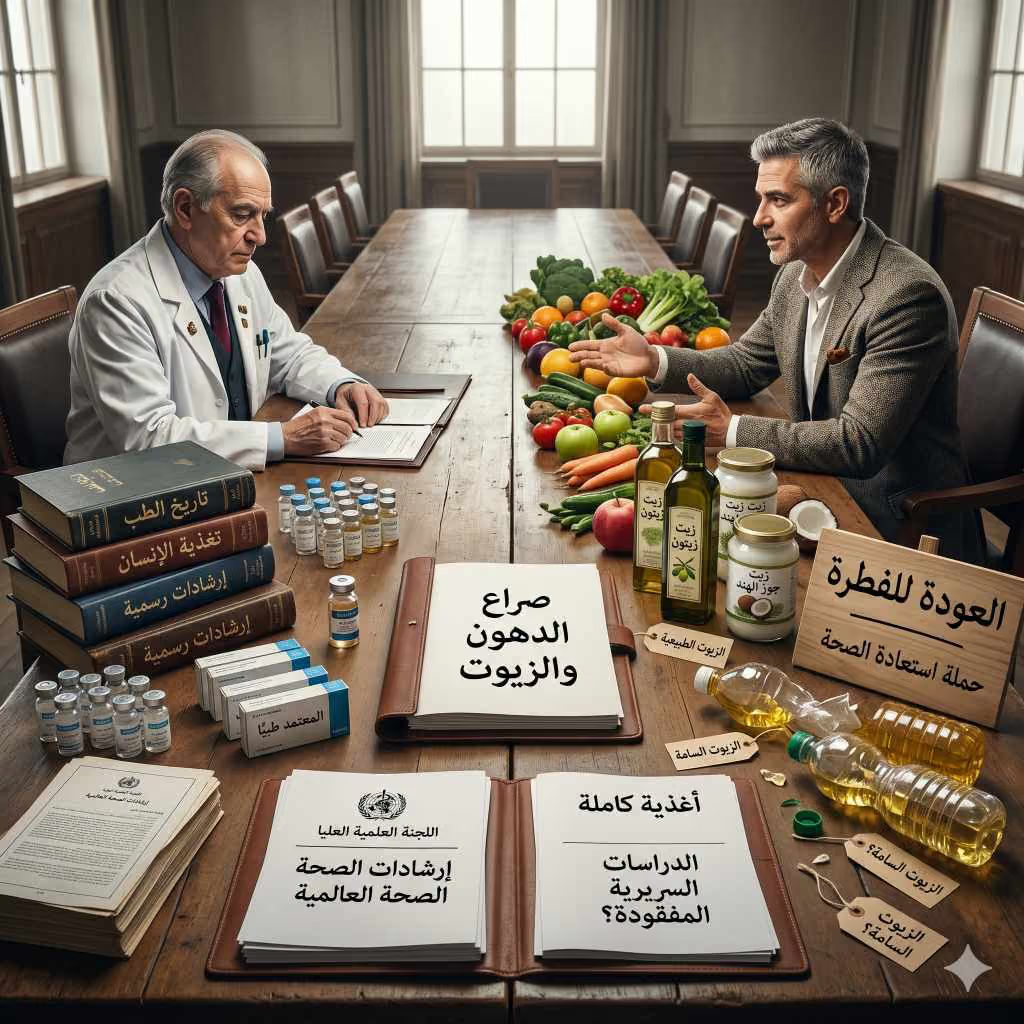
Dietary recommendations are no longer confined to traditional rules or the strict food pyramid that dominated for decades. Recently, figures and movements have emerged challenging the status quo, particularly regarding the consumption of oils and fats. While a local model in Egypt presented a vision that completely overturned concepts of fat consumption, the United States witnessed a boisterous model and a popular wave that put "seed oils" on trial before major health institutions.
Dr. Diaa El-Awady introduced a dietary system he named "Tayebat," which sparked considerable controversy due to its clash with established nutritional guidelines. The pivotal point of this system is its dismantling of the "fat phobia" that has dominated medicine for decades, while simultaneously prohibiting foods traditionally considered "healthy." This approach has made "Tayebat" a battleground for sharp division; between a medical community warning against abandoning classic recommendations due to the absence of accredited clinical studies supporting the system, and followers who see it as a cure for their ailments.
On the other side of the world, the rebellion took on an institutional political character with Robert F. Kennedy Jr., the U.S. Secretary of Health and Human Services (2025–2026). Kennedy aimed his direct criticism at the Food and Drug Administration (FDA) and its policies regarding processed foods through his famous campaign, "Make America Healthy Again."
Kennedy's rebellion wasn't limited to supermarket shelves; it's essentially an extension of a long history of clashes with major medical institutions (such as the CDC). He is known for his persistent skepticism about vaccines (with Nature magazine even describing him as a leading purveyor of misinformation), and his accusations against figures like Bill Gates and Anthony Fauci of running a "vaccine cartel" during the pandemic. He also stirred up controversy with his statements about the possibility of the coronavirus being designed to target specific races, his insinuation that HIV might not be the sole cause of AIDS, and his public admissions of drug use in his youth, which shocked public opinion. This track record has given his current war on seed oils and processed foods an amplified resonance.
Kennedy's statements didn't come out of nowhere; rather, they rode a wave that escalated in the United States from 2024 to 2026, led by influencers who warned against industrial vegetable oils, which this movement describes as "toxic."
The attack focused on what has been dubbed the "Hateful Eight" oils: (soybean oil, corn oil, canola oil, cottonseed oil, sunflower oil, safflower oil, grapeseed oil, and processed palm oil). Here, another conflict emerges between popular movements and official bodies; while major international specialized organizations defend the quality and sustainability standards of non-hydrogenated oils and their development, the new rebels reject these assurances and attack the modern refining mechanisms themselves.
Whether in Egypt or America, a common factor drives these phenomena: a loss of trust in outdated dietary guidelines, and the public's desire to understand what they consume, free from commercial interests.
The oils and fats sector is no longer merely a food industry; it has transformed into a major battleground between "official institutional science" and "rebel" movements. This dynamic —whether we agree or disagree with it— is pushing consumers to carefully read food labels and compelling the entire industry to seek more natural and transparent solutions for years to come.