 Advertise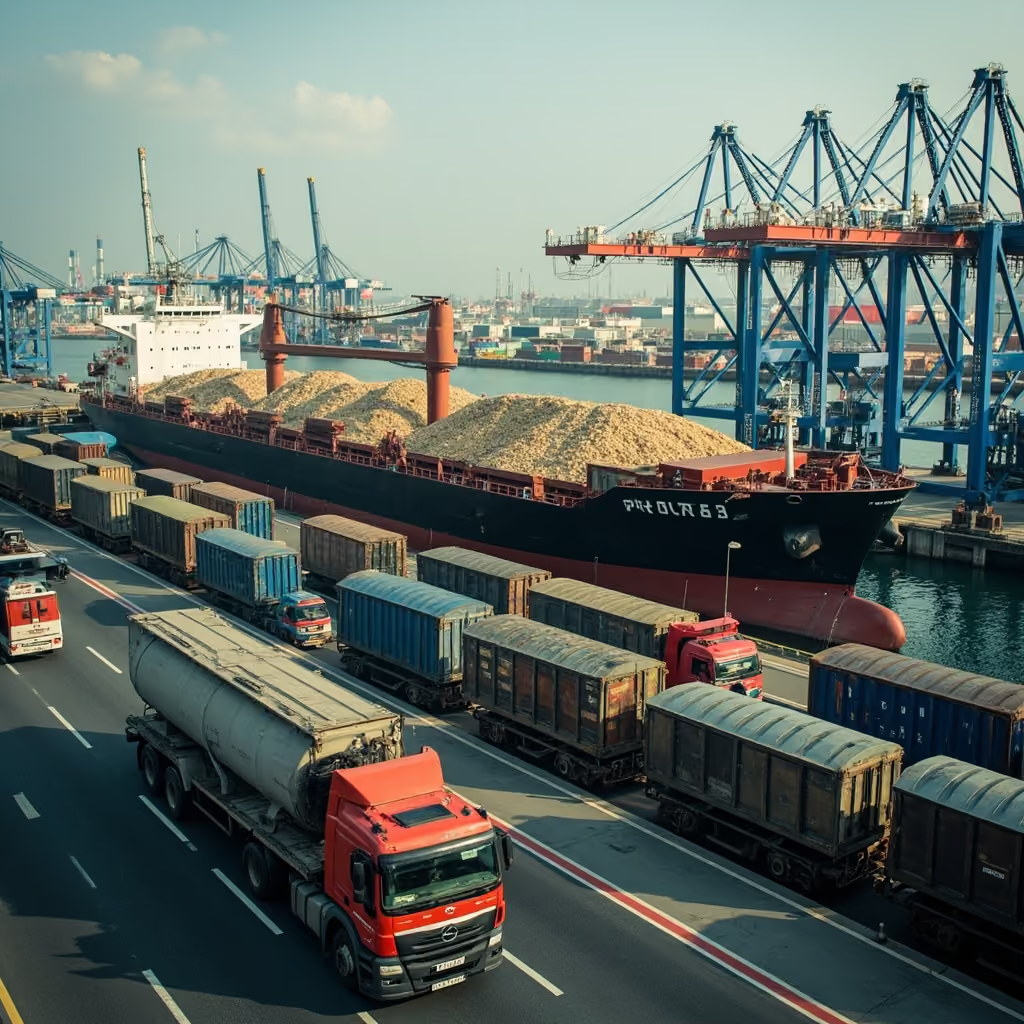
Ukraine's sunflower oil exports have fallen by half to approximately 300,000 tons per month, primarily due to ongoing halts in seaborne shipments and severe logistics bottlenecks, according to Stepan Kapshuk, CEO of the Ukroliyaprom Association. Speaking to NV Business on August 23, Kapshuk detailed the current export volumes, noting a significant reduction from previous levels.
In August, daily sunflower oil exports ranged from 5,000 to 7,000 tons. Additionally, 2,000 to 3,000 tons of rapeseed and soybean oil were exported daily. This brings the total daily vegetable oil export to around 8,000 tons, accumulating to roughly 300,000 tons monthly. 'This is half the volume we shipped before seaborne exports were suspended,' Kapshuk stated.
The challenges in exporting processed vegetable oil have triggered a collapse in procurement prices for sunflower seeds domestically. Kapshuk highlighted current delivery delays and a critical shortage of both transport vehicles and warehouse capacity. Despite these difficulties, the association head expressed optimism, expecting these logistical issues to be resolved within two to three weeks.
Looking ahead, Kapshuk projected that Ukraine's domestic vegetable oil production could reach 7 million tons by the end of the year. With the domestic market requiring only about 300,000 tons, he reassured that there is no risk of a domestic shortage, nor cause for public alarm. 'There will not be a shortage, and the population has no reason to panic,' he concluded.
Broader agricultural exports from Ukraine also show significant declines. Between August 1 and 18, total agricultural product shipments amounted to 900,000 tons, meeting only 31% of the country's target capacity. Grain exports saw the steepest drop, totaling 522,000 tons – merely 20% of potential volume. Other shipments included 163,000 tons of oilseeds, 128,000 tons of vegetable oil, and 86,000 tons of meal. A sharp increase of $50 per ton in logistics costs has rendered traditional export routes unprofitable, compelling exporters to reroute shipments, with 45% now moving via the Danube River and rail networks, and an additional 7% to 8% utilizing road transport.
Source: The New Voice of Ukraine