 Advertise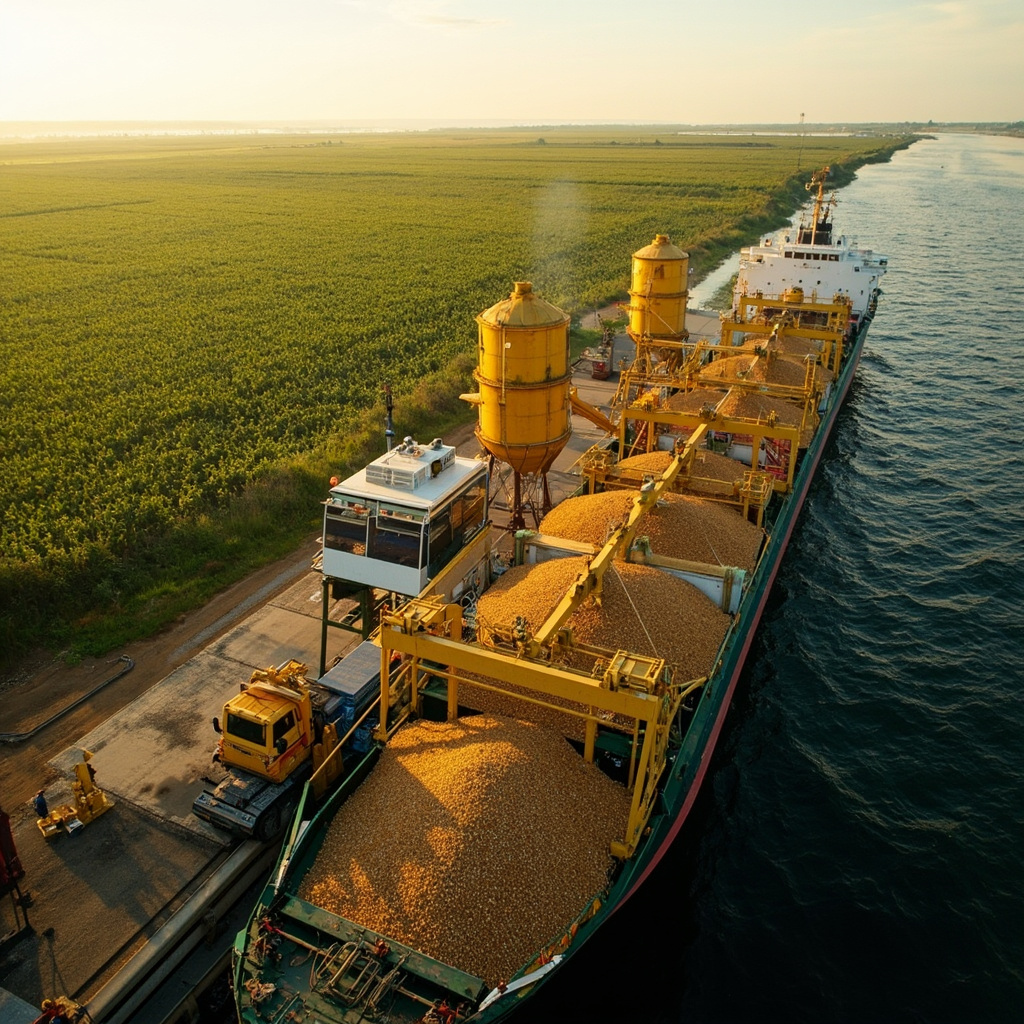
The tightening of GMO regulations in Ukraine, combined with stricter EU traceability rules, is expected to unlock new commercial opportunities for Ukrainian producers of non-GM soybeans. Speaking to industry analysts, Anton Zhemerdieiev, Commercial Director at TAS Agro, confirmed that the European Union continues to rank among the priority destinations for these products, where certified non-GM soybeans can command an additional premium over conventional supplies.
Compliance with the EU Deforestation Regulation (EUDR) is emerging as a decisive factor. The regulation covers soybeans and requires documented proof that production is not associated with deforestation. It will become applicable to large and medium-sized operators from 30 December 2026. According to Zhemerdieiev, approximately 99% of TAS Agro's 80,000 hectares of farmland carries no risks under the EUDR's post-2020 deforestation criteria.
Securing the premium is especially significant against the backdrop of challenging soybean economics. Zhemerdieiev estimates production costs at roughly $320–330 per tonne, while sales of conventional soybeans under prevailing market conditions yield only minimal margins or returns close to break-even. Against this backdrop, certification and verification of non-GM status could substantially improve the attractiveness of shipments to the EU.
Turkey and Egypt remain alternative outlets for Ukrainian soybeans, with cargoes moving via the Danube. However, the competitiveness of this route is limited by low water levels, elevated freight rates and persistent maritime logistics challenges, all of which inflate delivery costs.
For Ukrainian producers, the ability to verify soybean origin, non-GM status and compliance with European requirements is therefore becoming just as important as the headline market price. With margins on conventional soybeans still under pressure, the premium EU segment could provide producers with a much-needed opportunity to restore profitability to the crop.
Source: ukragroconsult.com