 Advertise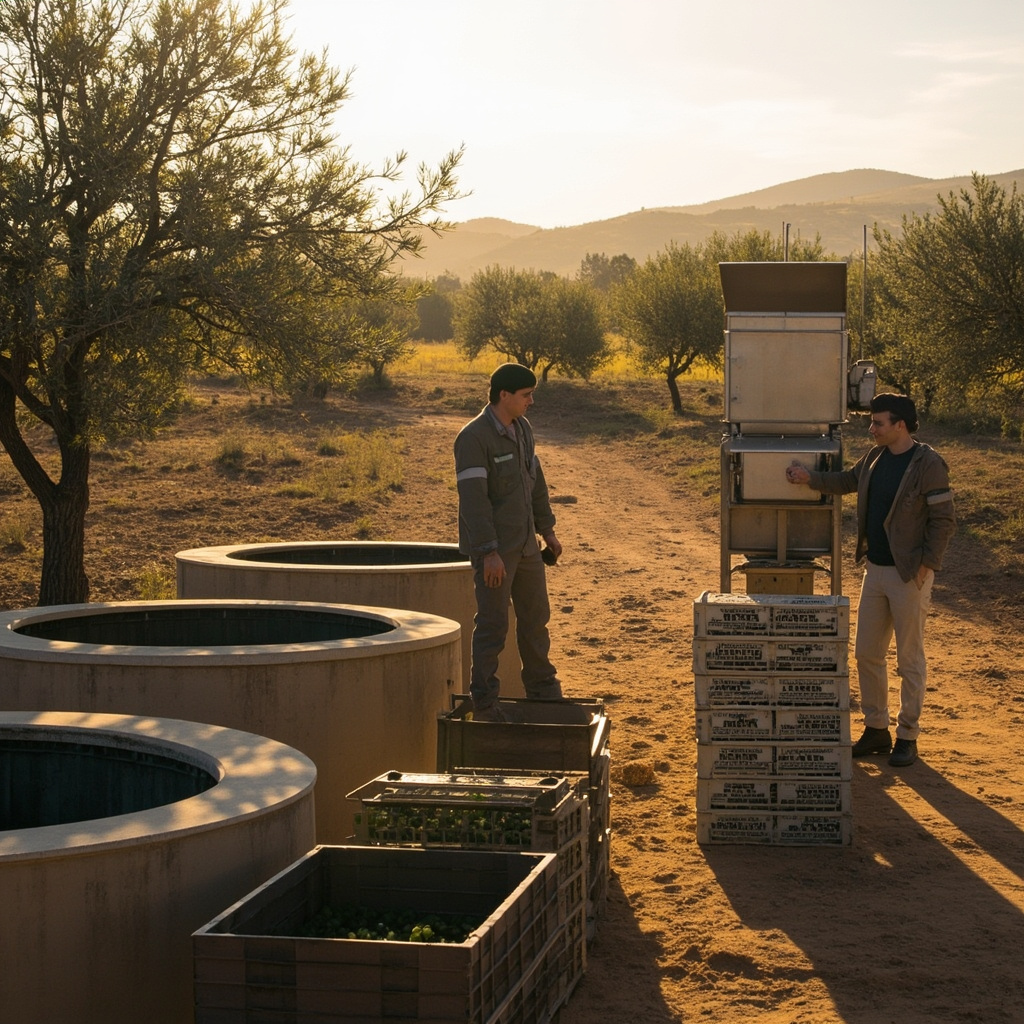
The Directorate of Agriculture in Jordan's Tafila Governorate has launched an intensive inspection campaign targeting olive mills across the southern governorate, in coordination with health and environmental authorities, ahead of the new olive pressing season. The initiative aims to verify operational readiness and ensure full compliance with approved technical, health, and environmental standards.
Eng. Bilal Al-Halloul, Director of Agriculture in Tafila, said field inspection teams visited several mills to assess their readiness and confirm compliance with the requirements for renewing operating licenses. The teams also verified the availability of adequate facilities for handling pressing byproducts, particularly 'zibar' (olive mill wastewater) and 'jift' (solid olive cake), to prevent any leakage into water sources or contamination of the surrounding environment.
Al-Halloul noted that the specialized committees stressed the need to construct sealed cement pits for collecting zibar, and to allocate paved, walled-off yards for storing jift and managing it through safe, environmentally responsible methods. He confirmed that monitoring activities would continue throughout the season to ensure mills adhere to the regulations and safeguard the rights of both farmers and consumers.
The director also issued guidance to farmers, urging them to refrain from rushing the harvest before the olives reach full maturity, as this directly improves oil quality and increases extraction yields. He emphasized the importance of transporting the fruit in ventilated crates or jute sacks and pressing it immediately upon arrival at the mills to avoid rising acidity levels and preserve the nutritional properties and added value of the extracted oil.
Al-Halloul projected that the current season would see a notable increase in olive oil production volumes in the governorate compared to the previous season.
Source: Hala Akhbar