 Advertise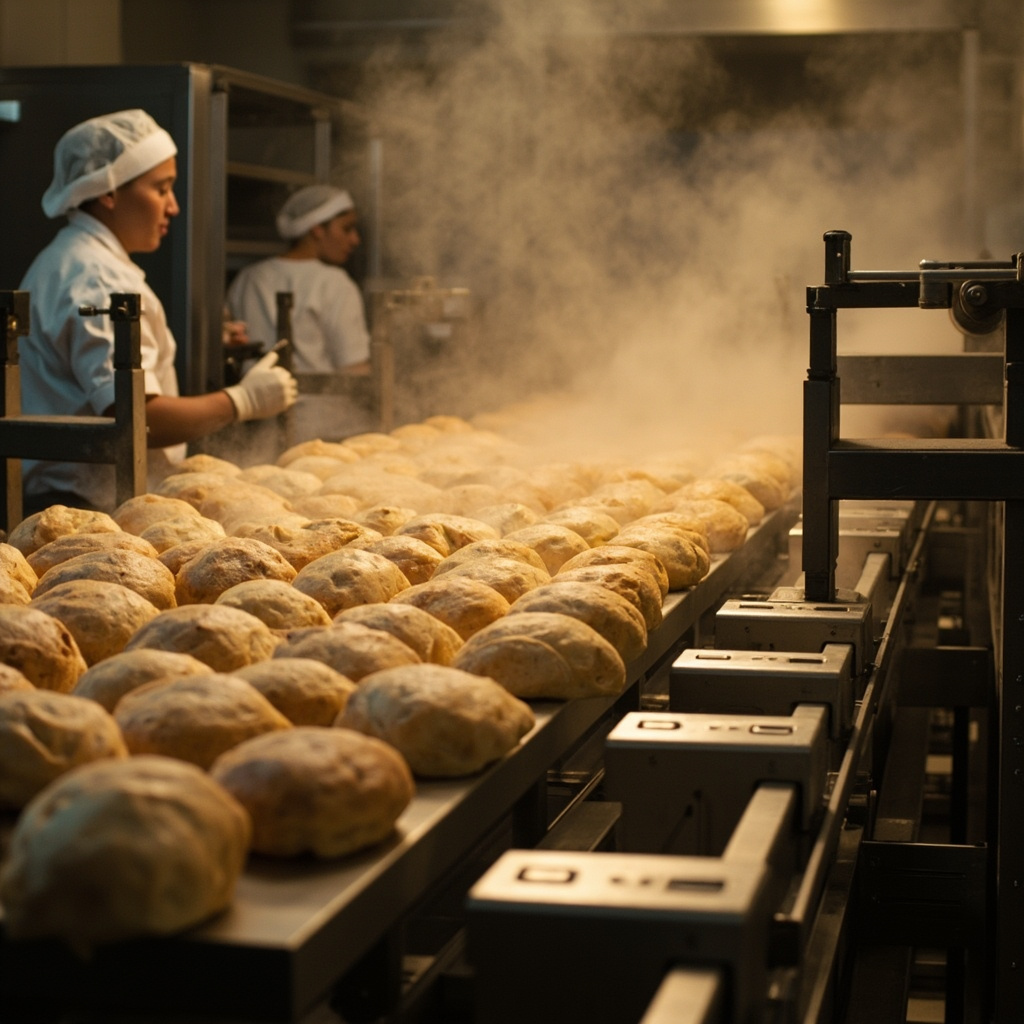
The latest IndexBox report on the global distilled monoglyceride market, updated September 27, 2026, indicates that the market is entering 2026 supported by broader demand fundamentals, more disciplined purchasing behavior, and a more diversified supply structure at the regional level.
The global distilled monoglyceride market represents a pivotal segment within the food emulsifiers and specialty chemicals industry. The ingredient is characterized by its core function as an emulsifier, stabilizer, and texture-enhancing agent, making it an indispensable element for ensuring the quality, stability, and shelf life of a wide range of processed foods and industrial products. The report provides a comprehensive, data-driven analysis of the market state in the 2026 edition, tracking its evolution from historical indicators and forecasting its trajectory through 2035 based on precise modeling of demand drivers, supply constraints, and macroeconomic variables.
Market performance is fundamentally linked to the performance of key end-use sectors, namely bakeries, ready-to-eat foods, dairy products, and confectionery. Growth in these consumer-oriented markets, alongside the expansion of applications in cosmetics and pharmaceuticals, has provided sustained demand momentum. However, the sector faces significant headwinds stemming from input cost volatility, primarily linked to crude glycerin and edible oil prices, as well as increasing regulatory scrutiny on food additive labeling and the clean label trend.
The competitive environment is characterized by moderate concentration, with a mix of multinational chemical conglomerates and specialized producers competing for market share through product innovation and strategic production capacity expansion. The analysis concludes that the distilled monoglyceride market is on a path of steady, albeit moderate, expansion. The forecast period through 2035 is expected to witness a continuous shift in production and consumption dynamics toward the Asia-Pacific region, driven by urbanization and changing dietary patterns.
The success of sector players will hinge on their ability to manage raw material price volatility, adapt to stringent and evolving regulatory frameworks across different geographical regions, and innovate to meet the demand for functional and label-friendly ingredients simultaneously. These trends carry profound strategic implications for stakeholders across the value chain.
The base scenario for the global distilled monoglyceride market projects steady expansion during 2026-2035 at a compound annual growth rate of 4.2%, with the market index reaching 148 (base year 2025 = 100). This forecast is based on sustained demand from the food processing industry, particularly in emerging economies where urbanization and rising disposable incomes drive increased consumption of packaged and ready-to-eat foods. The bakery sector is expected to remain the largest end-use segment, supported by the essential role of distilled monoglyceride in improving dough processing, crumb softness, and shelf life extension.
The dairy and ice cream segment will also contribute significantly, as distilled monoglyceride ensures emulsion stability and desired texture. While mature markets in North America and Europe will see moderate growth, the Asia-Pacific region is poised to be the primary growth driver, propelled by rapid industrial expansion of food supply chains and growth of the middle class. However, the market faces headwinds from raw material price volatility, particularly palm oil and soybean oil, which may pressure margins. The clean label movement and regulatory oversight of food additives, especially in advanced markets, may also constrain growth in some applications.
Nevertheless, ongoing innovation in product formulations and the development of non-GMO and organic-certified distilled monoglyceride grades are expected to open new growth horizons. The competitive landscape is likely to witness further consolidation, with key players investing in production capacity expansion and strategic partnerships to strengthen their market positions. Overall, the market is trending toward a positive trajectory, albeit with regional variations and sector-specific dynamics.
The bakery and confectionery segment is the largest consumer of distilled monoglyceride, primarily using it as a dough conditioner and crumb softener. In bread, distilled monoglyceride interacts with starch to delay retrogradation, extending shelf life and maintaining softness. In cakes and pastries, it improves volume and texture by stabilizing air bubbles during mixing. The confectionery segment uses distilled monoglyceride to control fat crystallization and prevent fat bloom on chocolate. Demand is currently strong in both advanced and emerging markets, with faster growth in the latter due to increasing urbanization and adoption of Western dietary patterns.
Through 2035, the shift toward healthier and premium bakery products, including whole grain and low-fat options, will require customized emulsifier solutions that may increase the use of distilled monoglyceride. The proliferation of frozen bakery products, which rely heavily on emulsifiers to ensure stability during freeze-thaw cycles, will further boost demand. Key demand indicators include per capita bread consumption, retail sales of packaged bakery products, and quick-service restaurant expansion. The clean label trend will moderate this segment's growth, but the functional benefits and cost-effectiveness of distilled monoglyceride are expected to maintain its dominance. Current trend: steady growth driven by ready-to-eat food demand and product innovation.
Key trends in this segment: rising demand for frozen and par-baked bakery products, growth of artisanal and premium bakery offerings, product reformulation under the clean label trend that is spurring innovation in distilled monoglyceride grades, expansion of bakery chains in emerging markets, and increasing popularity of low-fat and reduced-sugar baked goods.
Represented players in this segment: DuPont Nutrition & Biosciences, Kerry Group, Palsgaard A/S, Riken Vitamin Co., Ltd, and Estelle Chemicals Pvt. Ltd.
In the dairy and ice cream segment, distilled monoglyceride functions as an emulsifier and stabilizer, ensuring homogeneous texture, preventing fat separation, and improving overrun in ice cream. It helps control ice crystal growth, resulting in a smoother texture and better stability through freeze-thaw cycles. Demand is closely tied to ice cream production volume, which is rising globally, particularly in Asia-Pacific and Latin America. In dairy beverages and yogurt, distilled monoglyceride aids in emulsion stability and prevents whey separation. As consumers increasingly seek frozen treats that are both indulgent and healthier, including low-fat and plant-based options, demand remains strong for effective emulsifiers like distilled monoglyceride.
Through 2035, the dairy alternatives segment, including almond and oat milk ice cream, opens new opportunities for distilled monoglyceride, as these products often require emulsifiers to simulate the creamy texture of dairy. However, regulatory oversight on additives in dairy products in some regions may pose a challenge. Key indicators include ice cream production and consumption trends, the growth of the dairy alternatives market, and the development of cold chain infrastructure. Current trend: moderate growth supported by rising ice cream consumption and dairy sector innovation.
Key trends: rising demand for plant-based ice cream and frozen desserts, growth of premium and artisanal ice cream segments, increasing consumption of dairy products in emerging economies, the influence of clean label and organic dairy trends on emulsifier selection, and technological advances in low-temperature extrusion for ice cream.
Represented players: BASF SE, Croda International Plc, Lonza Group, Nikkol Group, and Stepan Company.
Distilled monoglyceride plays a crucial role in vegetable margarine and spreadable fats through crystallization modification, ensuring a smooth, spreadable texture and preventing oil separation. It also improves the stability of water-in-oil emulsions, which is essential for product consistency. The vegetable margarine market is considered a mature segment.
Source: IndexBox