
Lang
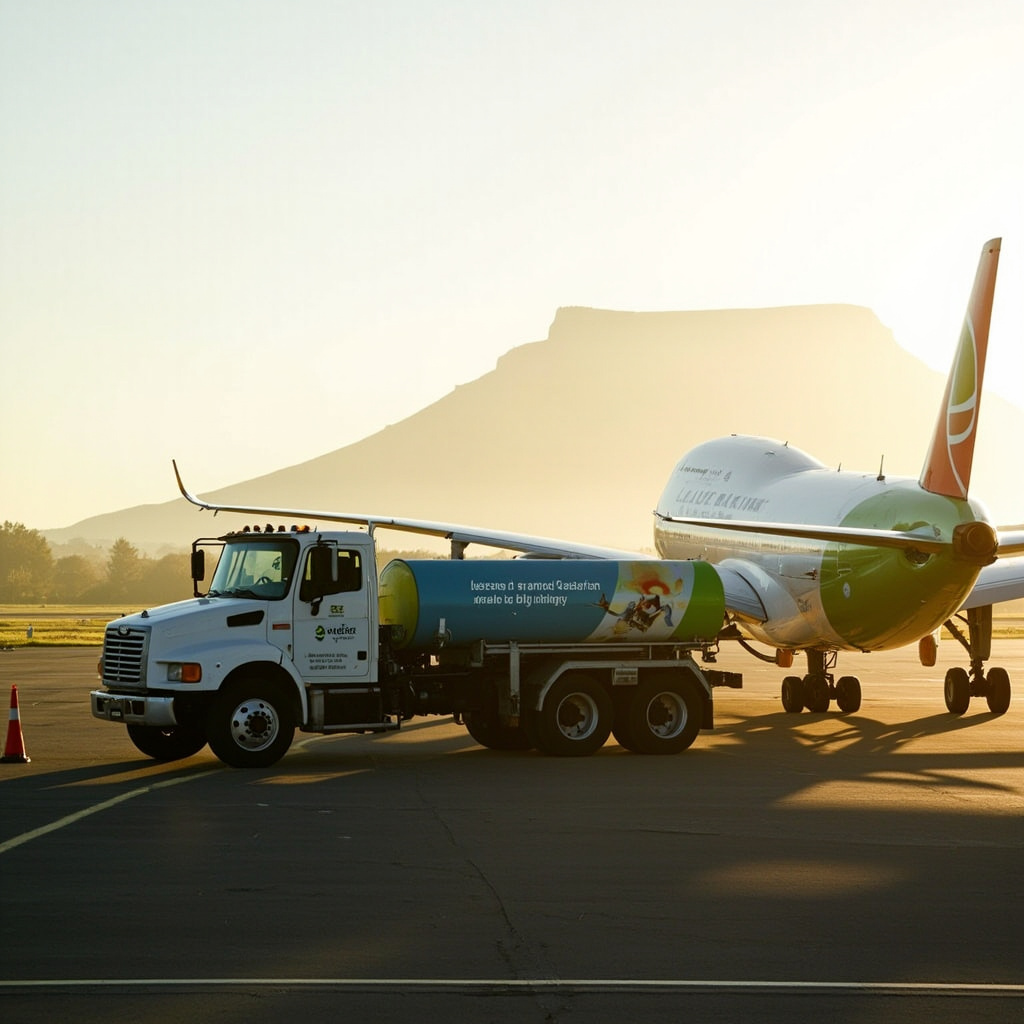
Sasol, the South African fuels and chemicals major, has begun supplying sustainable aviation fuel (SAF) to White Desert, a luxury operator running weekly flights from Cape Town to Antarctica, according to reports by Bloomberg and Reuters.
The first flight powered by Sasol's SAF is scheduled for November, operating on an Airbus A340-600. White Desert currently runs one weekly flight between Cape Town and Antarctica during the November-to-February tourism season.
White Desert's packages include one-day trips priced at $16,500 and seven-day journeys costing up to $120,000. Activities on offer include glacier excursions, visits to Antarctica's Blue Rivers, and champagne gatherings in an ice bar.
The partnership comes as Antarctic tourism expands and operators face growing pressure to reduce the environmental footprint of taking visitors to one of the world's most sensitive regions.
How SAF works
SAF is an alternative to conventional jet fuel. Produced from feedstocks such as used cooking oil rather than crude oil, it can be blended with regular aviation fuel. While it does not eliminate emissions from flying, it helps reduce the carbon impact of air travel.
According to the US Department of Energy, aviation accounts for approximately 2% of global carbon dioxide emissions and 12% of emissions from the transport sector.
White Desert previously sourced its SAF from Europe before switching to Sasol after the company's fuel received certification. Sasol produces the fuel at its Natref refinery. The company is the world's largest producer of fuels and chemicals from coal and ranks among South Africa's biggest greenhouse-gas emitters.
'This we see as a very first practical commercial step,' said Danie Cronje, Sasol's senior vice president for business building, strategy and technology, in remarks to Bloomberg.
A small but expanding market
Sasol can currently produce up to 2 million litres of SAF a year at Natref. The company plans to scale output to roughly 16 million litres in 2027 and up to 100 million litres by 2030.
SAF represented about 0.6% of global jet-fuel demand last year, according to analysts at BloombergNEF. The fuel can cost two to three times more than conventional aviation fuel.
Sasol said it has received interest from other potential customers and is working on additional commercial agreements.
Source: economictimes.com