 Advertise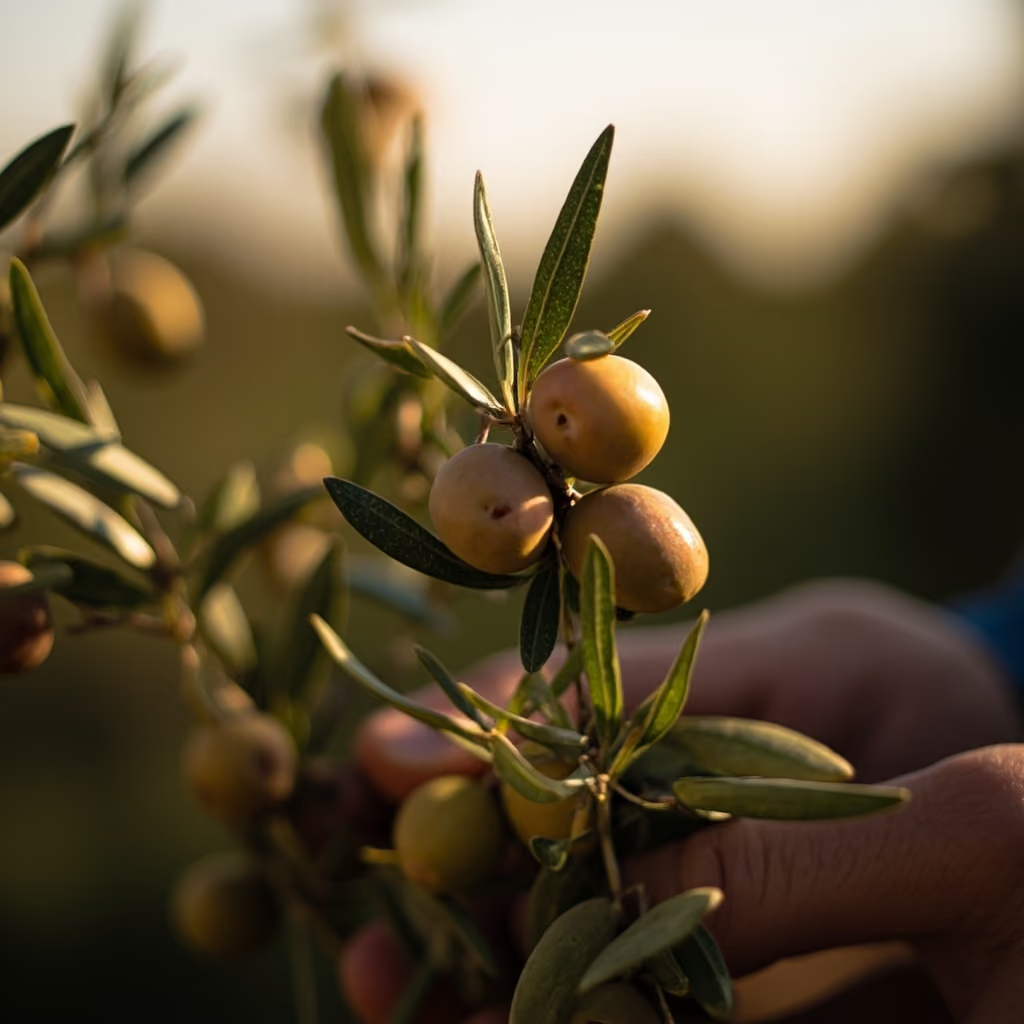
Iranian olive oil producers are preparing for the upcoming harvest season amidst a challenging landscape marked by escalating inflation, subdued domestic consumer demand, and persistent uncertainty stemming from regional geopolitical tensions. Following the recent onset of hostilities, olive oil sales experienced an almost complete halt for several weeks, with a subsequent recovery that has been slow and gradual.
A primary hurdle for the industry is the drastic erosion of consumer purchasing power. Local producers report that annual inflation surged from 53% in December to nearly 89% by late June. This sharp increase has compelled consumers to significantly reduce spending on premium products, including olive oil. While this decline in sales volumes presents a challenge, producers have partially mitigated its impact through higher product pricing.
The weakening of the Iranian rial has offered some indirect support to domestic producers. Imported olive oil, particularly from Turkey, has become substantially more expensive, prompting some consumers who previously favored Turkish products to opt for Iranian alternatives. However, the pervasive high inflation also contributes to soaring production costs, notably labor expenses, which are critical leading up to the olive harvest.
Looking ahead to the 2026/27 season, unusually warm weather during the spring and summer months has accelerated fruit ripening. Consequently, the olive harvest is anticipated to commence in early September, several weeks ahead of last year's schedule. Producers currently describe the crop prospects as 'average', indicating expectations of neither a significant downturn nor an exceptionally robust yield.
Preliminary data from the International Olive Council (IOC) indicates that Iran produced 11.5 thousand tons of olive oil in the 2025/26 season. This figure compares to an average output of 10.7 thousand tons over the preceding three seasons. Despite the ongoing geopolitical uncertainties, producers are pushing forward with preparations for the new harvest, understanding that any further delays to their production plans could lead to additional financial losses.
Source: UkrAgroConsult