 Advertise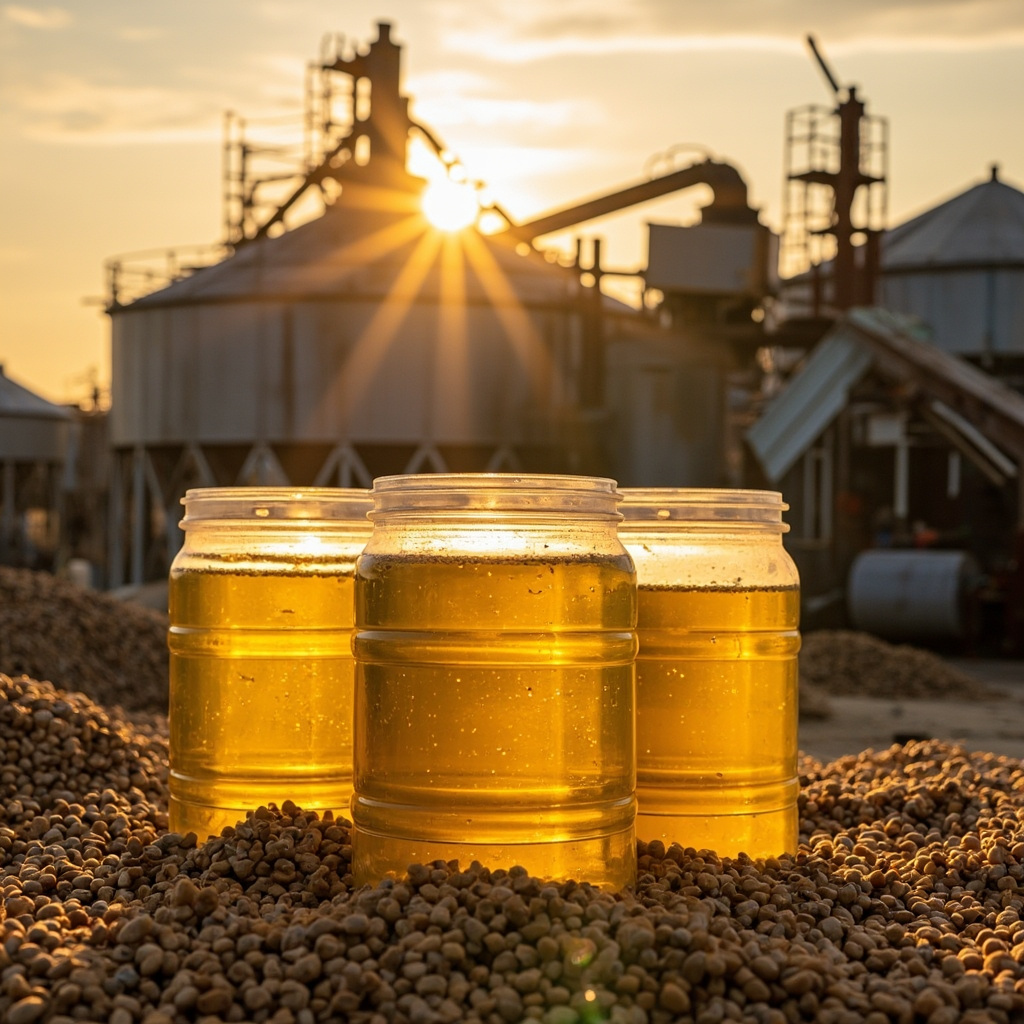
For more than fifty years, soybean processors operated under a well-defined economic model: crush the beans, sell the meal to feed producers as the primary revenue source, and treat the oil as a secondary byproduct bound for food markets. That model is breaking down.
Data from the Chicago Board of Trade shows the soybean oil-to-soybean price ratio has climbed to 0.055, the highest level in 55 years of recorded history, well above the 0.03-to-0.04 range that defined the previous half-century. Simultaneously, the soybean meal-to-soybean price ratio has dropped to 0.30, near the lower end of its historical band.
The result is a structural inversion of the profitability equation. Soybean oil, long the byproduct, has become the product that underpins crush profitability. Meal, historically the dominant revenue line, is sliding into a supporting role. Although meal prices are rising in step with costlier soybeans, the dominant variable in crush economics is now oil.
The driver behind this reversal is the transformation of soybean oil into an energy feedstock. The U.S. Environmental Protection Agency has set its largest-ever biodiesel mandate for 2026, at 9.07 billion gallons, nearly 70 percent above the 2025 level. U.S. soybean oil consumption for biofuels is heading toward approximately 18 billion pounds this year. Stocks held by members of the National Oilseed Processors Association stood at just 1.36 billion pounds, below market expectations, reinforcing the view that the United States is absorbing nearly all of its domestic production, leaving limited surplus for export markets.
The marginal buyer shaping U.S. soybean oil prices is no longer the food industry alone. The energy sector has emerged as a central force.
The same dynamic is playing out globally. Indonesia implemented its B50 biodiesel blending program in July, the world's largest mandatory biodiesel mandate, a policy that could remove between 15 and 16 million metric tons of palm oil from the export market each year. Climate risk is adding a further layer of uncertainty. According to the original analysis, El Niño carries an 81 percent probability of becoming a very strong event between October and December, threatening Southeast Asian palm production with lagged effects that could stretch into 2027.
Meanwhile, sunflower oil exports from Russia and Ukraine have dropped sharply amid escalating tensions in the Black Sea. India, the world's largest vegetable oil importer, recorded its highest-ever monthly soybean oil purchases in August, shifting some demand away from sunflower oil and toward soy. All these forces point in one direction: stronger demand for soybean oil at a time when global vegetable oil supplies are tightening.
In Brazil's domestic market, the second half of 2026 consolidated a trend that had been building since April: sustained increases in soybean meal and soybean oil prices, supported by mutually reinforcing factors.
Soybean prices at Brazilian ports exceeded R$160 per 60-kilogram bag in August, the highest level of the year, and remain elevated. Crush margins in Mato Grosso fell nearly 12 percent in August to R$383 per metric ton, the lowest August reading in three years. With roughly 85 percent of the crop already marketed and soybean availability tightening, processors report growing difficulty in sourcing raw material. In markets such as Uberlândia, buyers have paid above parity levels to secure supplies.
Brazil is on track for its largest soybean export year on record in 2026, with the January-through-October vessel lineup pointing to approximately 102 million metric tons. Soybean meal exports are following the same trajectory. Shipments ran 47 percent above year-earlier levels in some months, while export premiums reached record highs. October reached +31 U.S. cents per bushel on the offer side, the highest level recorded for that position. As a result, supplies that would otherwise serve the domestic market are being increasingly absorbed by international trade.
A third factor is biodiesel, or more precisely its absence as an additional catalyst for domestic soybean oil demand. Brazil's B16 biodiesel blend, which under the Fuel of the Future Law was expected to take effect in March 2026, remains delayed. Technical feasibility testing at the Mauá Institute of Technology is expected to produce a final report between February and August 2027. Meanwhile, bimonthly fee negotiations between producers and fuel distributors continue to close at negative or marginal levels. During the September-October round, fees ranged from minus 150 to zero, approximately R$150 above the previous two-month period but still below industry expectations. Margins for biodiesel plants were negative in 17 of the previous 23 weeks. The delay of B16 is keeping Brazil's domestic soybean oil demand below its potential while compressing margins throughout the supply chain.
Soybean meal was the strongest-performing soybean product during the quarter, gaining 14 percent, compared with a 13 percent rise in soybeans and a 9 percent rise in soybean oil. Unlike soybean oil, the rally in meal is being supported by a shortage that is no longer prospective but is already disrupting the physical market. Buyers in northeastern Brazil report company-owned trucks waiting in lines outside processing plants, unable to pick up product that has already been purchased. Major processors are effectively out of the spot market, providing no price indications and accepting no new sales. In the MAPITO production region, spot availability is nearly nonexistent. Soybean meal offers across central-northern and northeastern Brazil are already trading above R$2,300 per metric ton, with indications from some processors reaching as high as R$2,600 per metric ton.
The outlook for the coming weeks, and potentially months, remains tilted toward higher prices until harvesting of the new soybean crop begins around mid-February 2027. Even amid recent volatility at the CBOT, where soybean meal traded between approximately $339 and $357 per short ton in September, Brazil's domestic market has consistently shown that declines in Chicago do not necessarily translate into lower local prices. Export premiums are absorbing the difference, allowing domestic prices to remain firm.
Soybean oil prices are rising more gradually: 2 percent over the past week, 4 percent over thirty days, and 9 percent for the quarter. The pace has been slower than soybean meal because the supply dynamics differ. While soybean meal is experiencing an acute shortage, soybean oil is facing intermittent availability, with buyers remaining cautious and purchasing only enough to cover immediate needs while also looking for alternative vegetable oils. As soybean crushing gradually slows because of reduced soybean availability and tighter processing margins, domestic soybean oil supplies are likely to decline over the coming months. September price indications from major companies already show some origins with no available supply, while market contacts report increasing difficulty sourcing soybean oil consistently.
The U.S.-Iran war, now in its seventh month with no clear resolution in sight, has kept crude oil above $100 per barrel and diesel prices at record levels. Xi Jinping's expected visit to Washington in late September could accelerate Chinese purchases of U.S. soybeans and provide additional support to the soybean complex. The September USDA WASDE report disappointed market participants who had expected tighter U.S. ending stocks, but underlying demand fundamentals remain firm. At the same time, El Niño threatens Southeast Asian palm oil production precisely during the gap between crop cycles.
Demand has moved to a new level. The supply response will not arrive until the 2027 crop, while weather risk is filling the gap. For buyers who need to secure soybean meal or soybean oil over the next several months, the market remains exceptionally tight.
Source: AgroLatam