
Lang
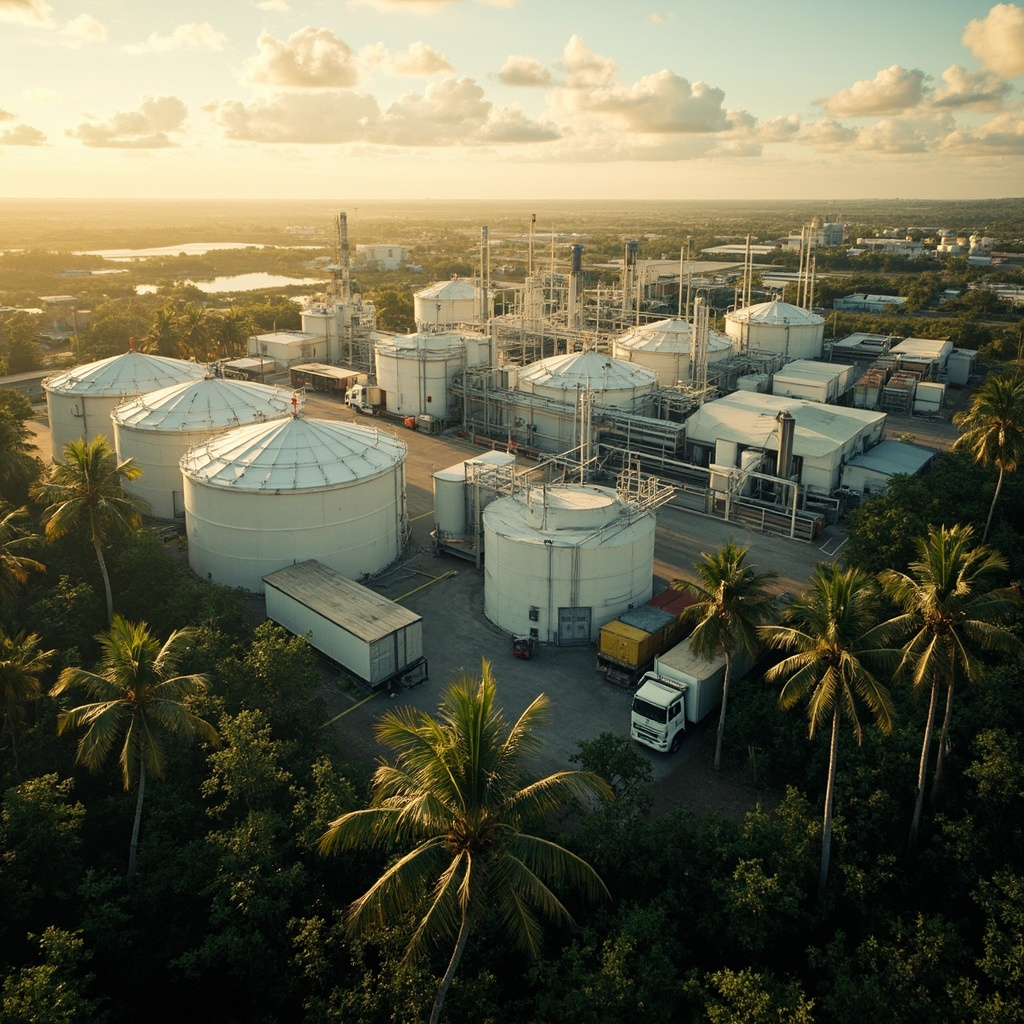
D&L Industries Inc. is positioning its Batangas manufacturing complex as the central engine of its export expansion, with company executives saying the facility is now solidly profitable and ahead of internal targets.
The plant has posted seven consecutive quarters of profitability, well ahead of management's original forecast that it would take roughly two years to break even, D&L President and CEO Alvin Lao told reporters. The facility, which began commercial operations in 2023 following construction that started in 2018, was designed to anchor the company's push into higher-value food ingredients, oleochemicals, and consumer products.
'We were not expecting profitability for a couple of years. I think it was like two years where we were not expecting profitability. However, thankfully, in a year, we were able to already see profitability,' Lao said, adding that the plant was 'ahead' of plan.
With the operational ramp-up largely complete, Lao said the next challenge is navigating a difficult export environment shaped by tariffs and protectionist measures in several overseas markets. He expressed confidence, however, that D&L's specialized and customized products give it a degree of insulation from price-led competition.
'Because of the uniqueness and specialized nature of our products, especially if they're customized for the client, these are products that we still believe have a lot of demand from our customers and we will be able to grow from,' Lao said.
He noted that export margins are currently running in the high teens, compared with about 12 percent for the company's domestic business, meaning that a rising share of exports should lift the group's blended margin over time.
D&L has set a medium-term target of exports contributing 50 percent of total revenues, with Batangas identified as the principal platform for reaching that milestone. To get there, the company is focused on broadening its customer base through trade show participation, direct client visits, sample distribution, and trial production runs.
'It's really getting our name out and being able to inform our customers or potential customers [of] our capability and the types of products that we can make,' Lao said.
He added that the bulk of capital-intensive work tied to export expansion is already behind the company, noting that the heavy construction and commissioning costs have been absorbed. 'The heavy lifting has already been done,' he said, although he acknowledged that smaller follow-on investments will likely be needed as customer specifications evolve.
The export push coincides with a recovery in earnings. D&L reported first-half 2026 net income of P1.5 billion, up 8 percent year on year, while second-quarter earnings rose 10 percent to P786 million. Specialty, higher-margin products accounted for 51 percent of sales in the first six months of the year.
Lao also pointed to lower coconut oil prices as a meaningful tailwind. Coconut oil, a key feedstock for the group's food ingredients and biodiesel businesses, fell from a peak of about $3,000 per metric ton in August last year to roughly $1,900 per MT, or below $2,000. 'It's a relief because [coconut oil accounts] for a lot of our costs and especially the hit on our working capital; it is not as heavy,' he said.
Looking ahead, Lao highlighted oleochemicals as an area of significant long-term growth potential, with applications spanning food, manufacturing, engineering, industrial and consumer products.
On the biodiesel front, Lao confirmed that the mandated blend remains at B3 (3 percent), with previously planned increases to B4 and B5 now deferred. He argued that a higher blend would benefit the industry by cutting fuel imports, reducing emissions, and potentially improving mileage, while also lifting demand for locally produced coconut oil.
Source: The Manila Times