 Advertise
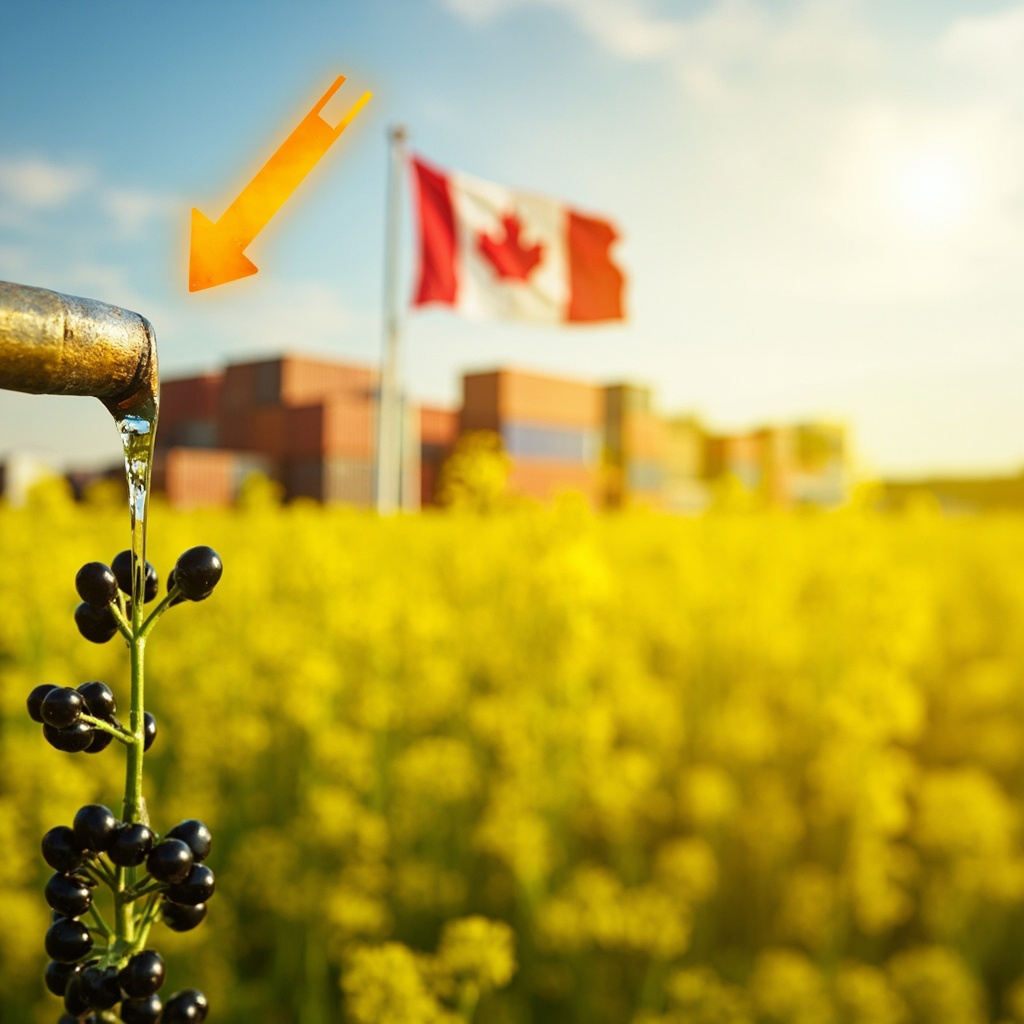
Canada's burgeoning biofuel sector is poised to significantly constrain the global availability of rapeseed in the 2026/27 marketing year. As domestic processors ramp up operations to meet the intensifying demand for canola oil and meal, the volume of seed earmarked for international markets is expected to shrink. Industry analysts caution that while production levels remain stable, the internal shift toward value-added processing will tighten the global supply chain.
The International Grains Council (IGC) currently forecasts Canada's rapeseed output at 22.1 million tonnes for the 2026/27 season. This figure aligns closely with previous levels and represents an upward revision of 600,000 tonnes from September estimates. However, the final harvest remains subject to weather risks, particularly as harvesting activities in Saskatchewan and Alberta faced delays in early October.
Meanwhile, domestic consumption is projected to climb to 14.5 million tonnes, a sharp increase from the 13.1 million tonnes recorded the prior year. This growth is underpinned by expanded crushing capacity and a robust appetite for canola-based products, largely incentivized by the United States' evolving biofuel policies. According to the Union for the Promotion of Oil and Protein Plants (UFOP), the sector is set to benefit from the implementation of the US 45Z tax credit in early 2026. This regulation rewards feedstocks with lower carbon intensity while placing stricter controls on imports from Mexico and Canada.
Furthermore, refined greenhouse gas (GHG) intensity calculations have made canola oil increasingly attractive for the production of biodiesel and Hydrotreated Vegetable Oil (HVO). Consequently, research from Agrarmarkt Informations-Gesellschaft (AMI) indicates that Canada's exportable surplus will decline to 7.8 million tonnes in 2026/27, down from 9.1 million tonnes in the previous season. While Canada maintains its status as a premier global supplier, its international market share is expected to erode as the industry prioritizes domestic low-carbon energy pathways over traditional seed exports.
Source: Biofuels International Magazine