 Advertise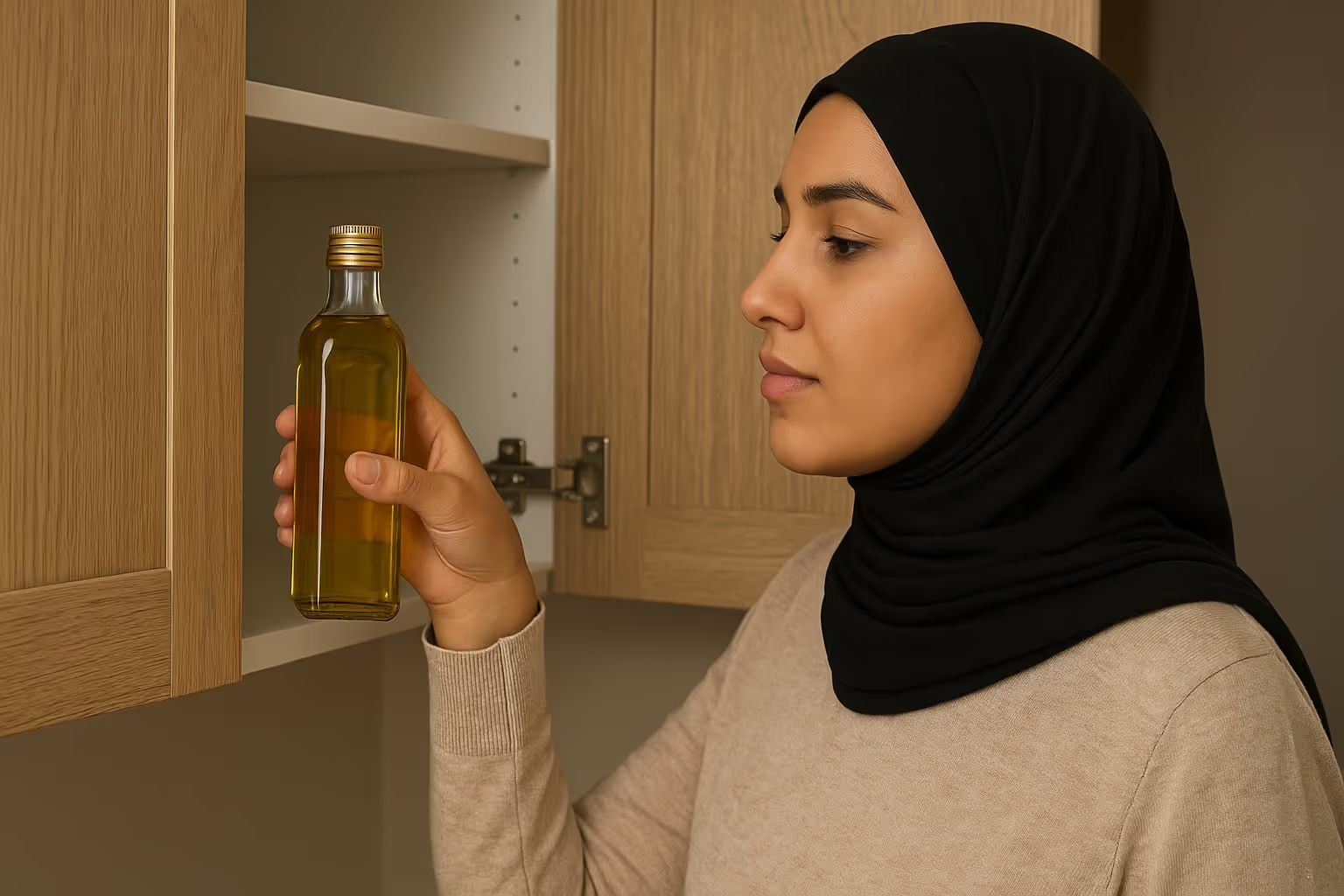
Note: This article was AI-translated from Arabic and is currently under manual review. The author is not responsible for any translation errors. Please refer to the original Arabic text for the most accurate and authoritative information.
Where should you keep your olive oil bottle?
Mary Murray, vice president of quality and products at California Olive Ranch, says storing olive oil properly is essential to maintain its flavor and quality. She explains that there are four main enemies of olive oil to watch out for:
Although a bottle of olive oil may seem to last forever, its shelf life is usually 18 to 24 months. Mori asserts:
“Unlike wine, olive oil doesn't improve over time.”
After opening the bottle, the taste gradually deteriorates, so it is best to consume it within one or two months of opening.
Olive oil bottles are often colored to protect them from light. Prolonged exposure to lighting reduces the antioxidants in the oil, leading to loss of flavor and rancidity.
It is best to keep olive oil in a cool and dark place such as a pantry. Although placing it near the stove may seem practical while cooking, the high heat speeds up the deterioration of the oil.
When olive oil is exposed to oxygen, its flavor changes gradually. Therefore, it should be stored in an airtight package and the bottle should not be left uncovered.
Chilling olive oil may seem like a suitable option if you are not going to consume it quickly, but this may affect its flavor.
According to the North American Olive Oil Association, cooling the oil causes crystals to form. When the oil returns to a liquid state at room temperature, some flavors may settle to the bottom, speeding up the rancidity process.
Therefore, Mori recommends simply storing olive oil in the cupboard or pantry away from heat and light.
It is preferable to keep olive oil in its original bottle. Colored bottles help protect it from light and the tight cover protects the oil from oxygen.
Some people like to transfer oil to small tabletop bottles with a pouring spout, but Murray warns:
“We like pouring nozzles for ease of use, but we don't recommend them unless the oil is going to be consumed quickly, as they allow oxygen to enter and accelerate oil degradation.”
Only buy the amount you know you'll consume in a short period of time. If you use olive oil regularly, it may make sense to buy a two-liter can. If your consumption is slow, choose a smaller pack.
Murray says:
“Like all fruits, olive oil should taste fresh and herbal. The good taste of extra virgin olive oil should be floral, fruity, and nutty, and like the smell of freshly cut grass.”
If you notice that the oil has become stagnant or tastes like plastic or paste, it may have rancid.
To discover the damaged taste, Mori suggests smelling crayons or medical patches, or tasting old nuts or chips, as their stagnant taste results from the rancidity of the oils in them.
Source: simplyrecipes