 Advertise
Note: This article was AI-translated from Arabic and is currently under manual review. The author is not responsible for any translation errors. Please refer to the original Arabic text for the most accurate and authoritative information.
Imagine that a small handful of nuts can charge your body with natural energy and strengthen your heart, brain and muscles at the same time.
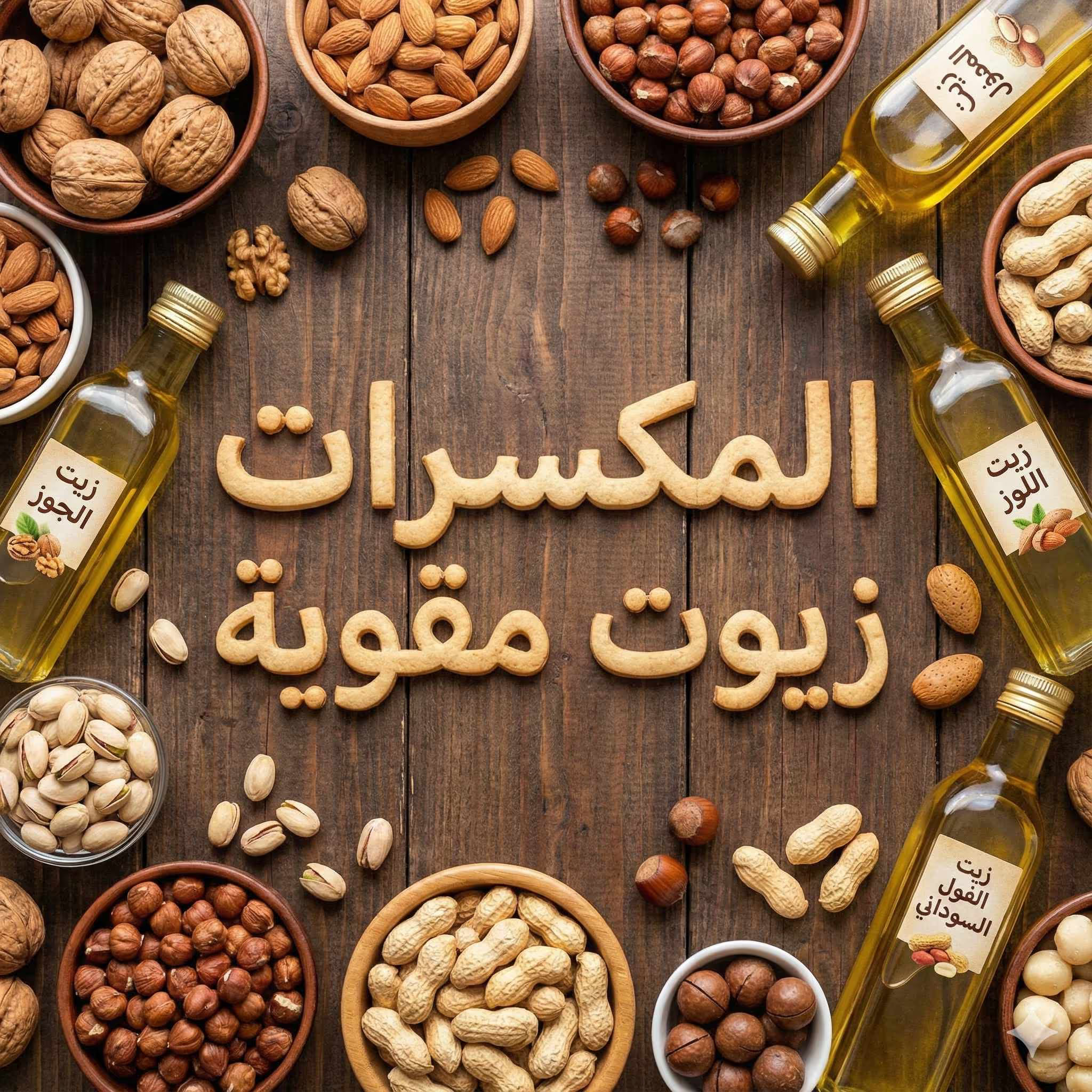
It's not just “fun,” it's Fortifying oils and concentrated vital ingredients It combines omega-3, vitamin E, protein, and fiber. Walnuts, almonds, hazelnuts, pistachios, peanuts... Each pill has a nutritional power that supports your health and gives you continuous activity throughout the day.
Although nuts and tasali seeds are often served as snacks or additions to food dishes, modern science reveals another aspect of these small bites: They are integrated food factories It is loaded with healthy fats, proteins, antioxidants, and vitamins that support heart, brain and immune health.
Global nutrition and health bodies, such as the American Heart Association, recommend including nuts in the diet because they are proven to reduce the risk of cardiovascular disease.
The nuts we know belong to two main groups:
1. Tree NutsThese include: walnuts, almonds, hazelnuts, and pistachios.
2. oily legumesLike peanuts, they are vegan and are classified as legumes, but they are very close to nuts because they contain beneficial fats and proteins.
What brings these types together?
1. Healthy fatsMost of the fat in nuts is unsaturated fat that is good for heart health:
2. proteinsNuts contain 15— 25% Protein, making it a great source of plant-based protein, especially when combined with grains.
3. Dietary fiberIt improves digestion, supports blood sugar control, and increases the sense of satiety.
4. Vitamins and mineralsThe most important ones are:
5. antioxidantsLike polyphenols and flavonoids, compounds that protect cells and support heart health.
Not all nuts are equal in fat content. The following list includes the “fat kings” (healthy unsaturated fats), ranked in descending order of fat percentage (approximate per 100 grams):
1. Heart and Artery HealthStudies show that eating nuts regularly helps to:
2. weight controlDespite its high prices, eating it in moderation does not cause weight gain. Rather, it helps to:
3. brain healthOmega-3 acids, B vitamins, and antioxidants support memory and focus and reduce oxidative stress.
These oils are extracted in cold pressing, making them retain their vital compounds, the most important of which are:
ATTENTION: These oils are sensitive to oxidation and should be kept away from light and heat.
The nutritional value of nuts increases when they are used in:
It not only adds delicious taste, but also increases the nutritional value of foods significantly.
Nuts aren't just “fun.” It is a natural dietary supplement that supports heart, brain, metabolism, and immune health. A small handful per day may be one of the best dietary decisions you make for your health.
Diversity is wealth... Moderation is the key to interest.