Advertise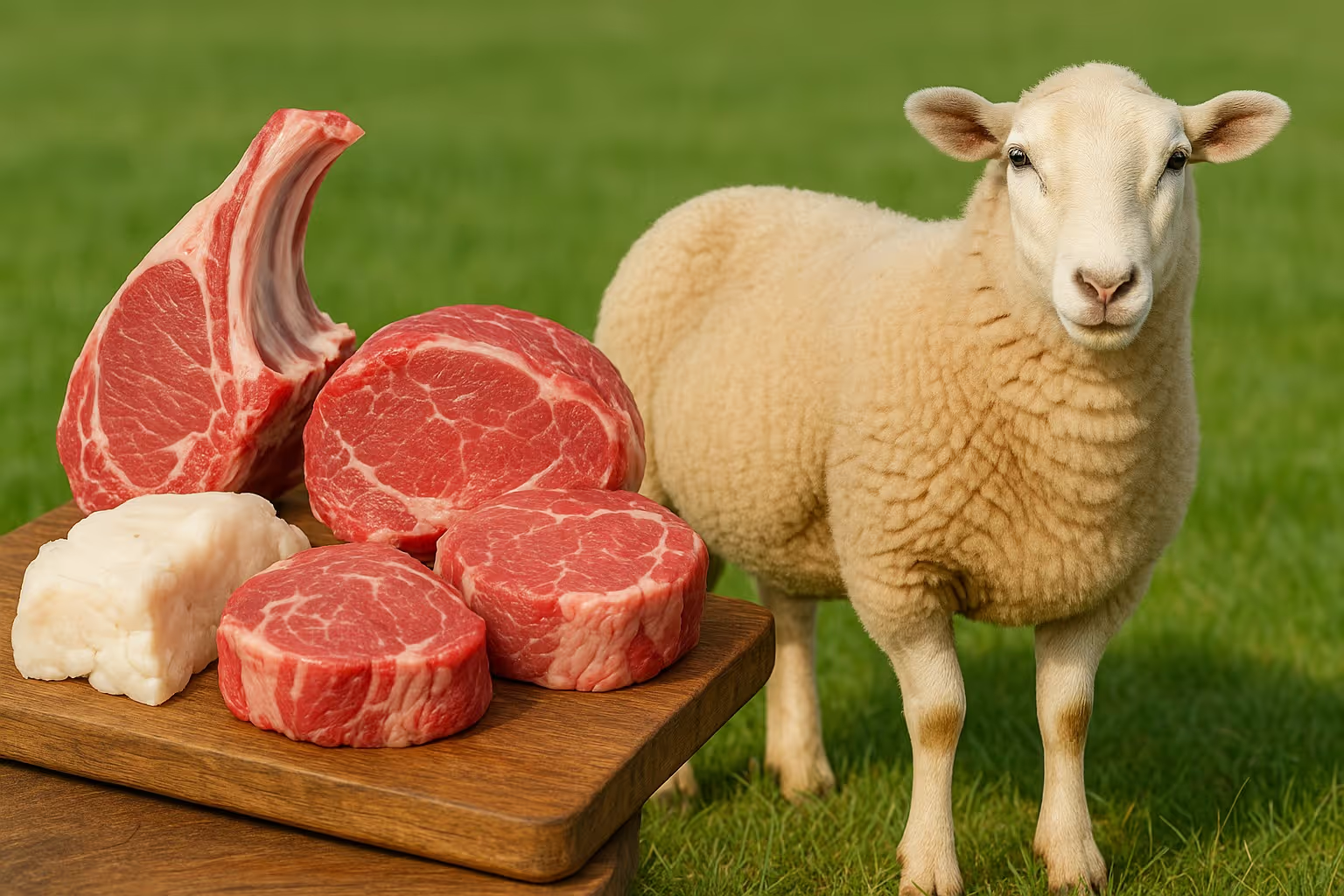
Note: This article was AI-translated from Arabic and is currently under manual review. The author is not responsible for any translation errors. Please refer to the original Arabic text for the most accurate and authoritative information.
Lamb fat is one of the key ingredients that determine the quality and nutritional value of sheep meat. It plays a pivotal role in shaping the distinctive flavor and improving sensory characteristics such as tenderness and tenderness. However, its composition rich in saturated fats imposes health considerations that need a balance in consumption. This topic reviews the chemical composition of lamb fat, its distribution in the carcass, its effect on meat quality, as well as its nutritional benefits and potential risks, while providing recommendations to ensure the safety and quality of the final product.
- Saturated fats (such as palmitic and stearic acid): make up the largest percentage, giving it a solid texture at room temperature.
- Unsaturated fats (such as oleic acid): enhance flavor and positively affect sensory acceptance.
- Cholesterol: it is found in a moderate proportion, and its consumption should be considered in cases of high bad cholesterol (LDL).
- Fat-soluble vitamins (A, D, E): promote immunity, bone health, and act as antioxidants.
a. Internal fat (around the kidneys and entrails): firm and rich in flavor, used in traditional dishes.
B. Subcutaneous fat: improves the appearance of the carcass and protects muscles from dehydration.
J. Fat between muscles: increases meat tenderness and tenderness.
d. Marbling: It is a key indicator of meat quality, as it enhances flavor and palatability.
a. Enhance flavor and sensory acceptance
- It breaks down during cooking, releasing aromatic compounds (aldehydes, ketones) that give a distinctive flavor.
- Reacts with proteins via the Maillard reaction, increasing the complexity of the flavor.
- Marbling increases the quality of meat, especially when grilling or frying.
B. nutritional value
- A concentrated source of energy (9 calories/g)
- It is rich in vitamins A, D, E, which are essential for health.
- It contains short-chain fatty acids that are rapidly absorbed, making it useful in some therapeutic cases.
J. Health caveats
- Excess consumption may raise levels of bad cholesterol (LDL).
- Recommendations of the World Health Organization (WHO): saturated fat should not exceed 10% of total daily intake.
- Oxidation sensitivity: It is affected by light and heat, leading to rancidity and taste changes.
- Quality indicators:
• Peroxide number: to measure the degree of oxidation.
• Acid number: to evaluate degradation damage.
- Storage tips:
• Fast freezing (-18°C) to maintain quality.
• Use natural antioxidants (such as vitamin E) to extend shelf life.
- Microbial risks: such as contamination by Listeria or Clostridium bacteria, especially when stored improperly.
- Chemical risks: accumulation of pesticides or heavy metals in fats.
- Ensure safety:
• Good cooking (temperature not less than 75°C).
• Adherence to Codex Alimentarius standards for pollution prevention.
• Traceability system from farm to consumer.
- In traditional cuisine: it is used in dishes such as couscous and mandi to add a rich flavor.
- In therapeutic nutrition:
• It is useful in cases of thinness because it is a concentrated source of energy.
• It is forbidden for patients with heart disease and cholesterol except in limited amounts.
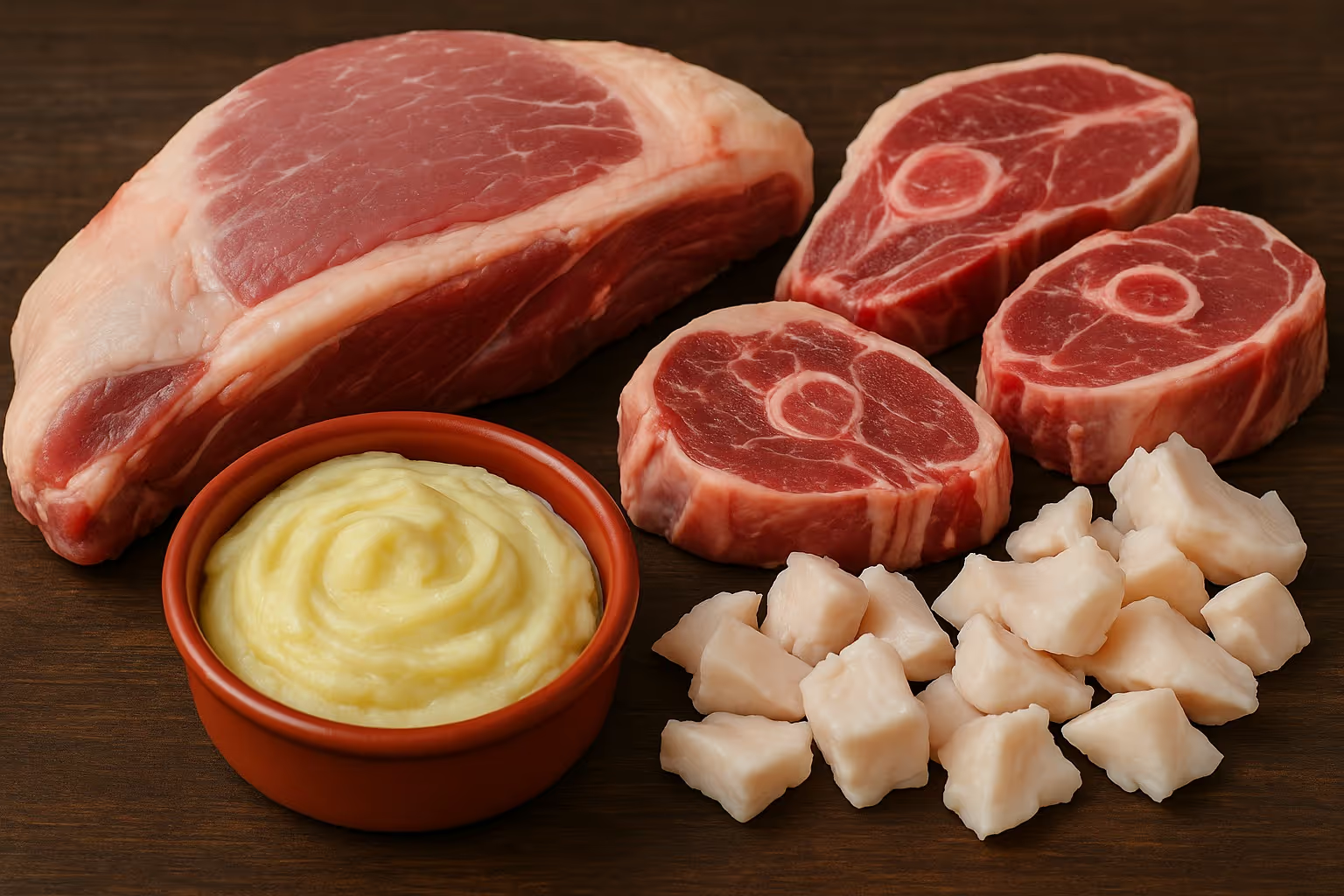
Lamb fat and lamb fat are traditional and flavor-rich ingredients that are used in many cuisines around the world to give a rich and distinctive taste to foods. These fats are characterized by the fact that they carry strong flavor compounds released during cooking, making them a natural flavor enhancer, especially in dishes based on meat, grains or legumes.
How to prepare lamb fat for use in cooking:
- Cut the fat into small cubes.
- Cook slowly on low heat until the fat melts and separates from the hard tissues.
- Drain the liquid fat and store it in a tight glass jar.
- Store in the refrigerator or freezer for later use as a substitute for butter or oil.
Common uses in international cuisines:
Egyptian cuisine: lamb is used to prepare koshari, fattah, and meat tagines.
Moroccan cuisine: lamb is added to the Moroccan tagine to enhance the taste and increase the nutritional value.
Gulf cuisine: Layya fat is used in the preparation of kabsa, mandi and compressed.
Turkish cuisine: used to prepare kebabs and grilled meat to enhance tenderness and flavor.
- They should be used in moderation because of their high saturated fat content.
- It is best used in dishes that tolerate strong and fatty flavors.
- Can be mixed with vegetable oils to reduce the intensity of the taste and increase the balance of flavor
Lamb fat is an essential ingredient in enhancing the flavor and quality of sheep meat, but it needs to be consumed in a balanced manner to avoid health risks. For the best quality:
- Choose meat with moderate fatty interference (Marbling).
- Store fat in suitable conditions (freezing, tight packaging).
- Comply with sanitary standards in cooking and storage.
- Consume it in moderation, especially if you suffer from heart disease or high cholesterol.
Thus, you can enjoy the benefits of lamb fat while maintaining optimal health and quality.