Advertise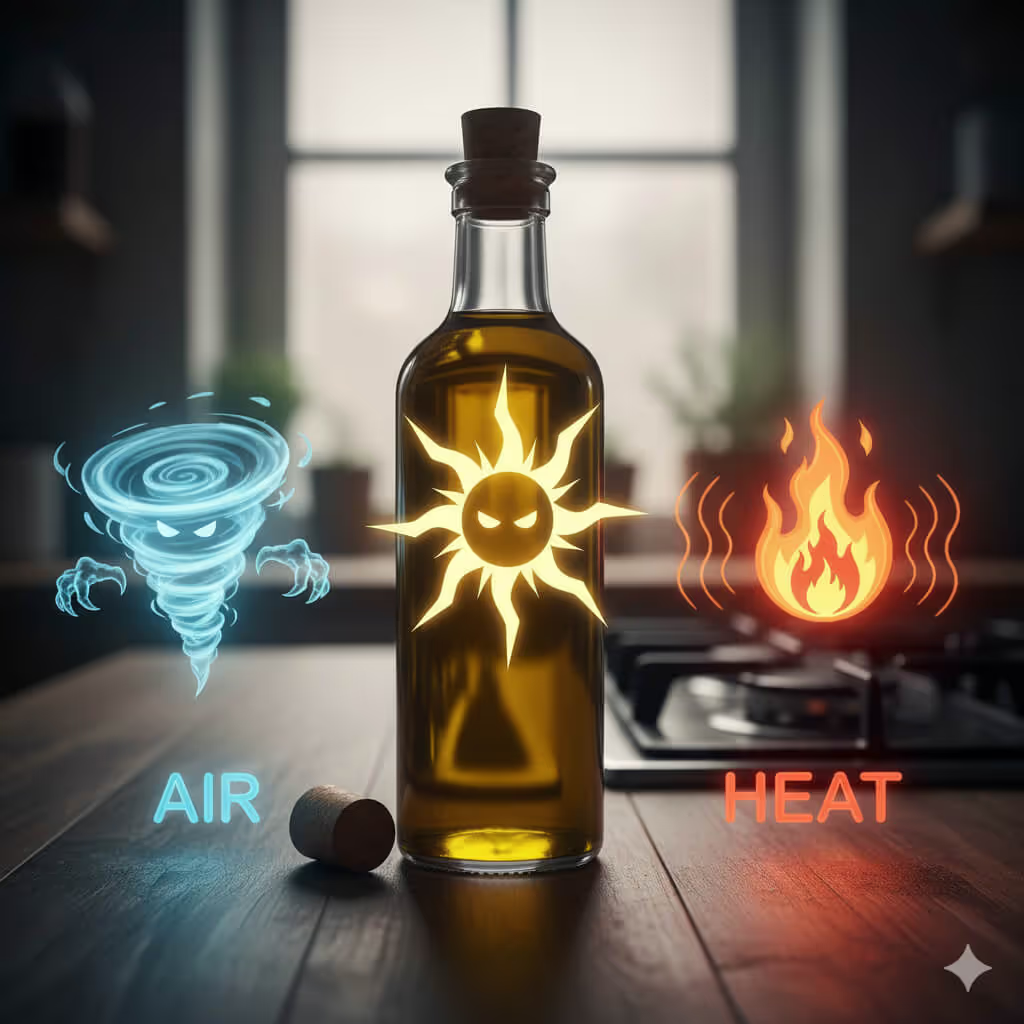
Note: This article was AI-translated from Arabic and is currently under manual review. The author is not responsible for any translation errors. Please refer to the original Arabic text for the most accurate and authoritative information.
With the beginning of the olive harvest and pressing season to produce one of the best vegetable oils, olive oil — because of its healthy compounds and the scientific evidence that confirms day after day the importance of using olive oil in the diet — we notice that there is manipulation by some quick profit seekers by mixing olive oil with less valuable oils for the purpose of illegal gain.
Health seekers (olive oil consumers) are victims of manipulation by people of weak conscience. Extra virgin olive oil specifically is a major target for fraud, although it is a natural treasure rich in antioxidants and fatty acids that are good for heart and body health.
Olive oil is not only the target of fraud. It may be a high-quality oil, but it may deteriorate quickly and change its grade from the first moment the package is opened.
Why? Because there are many factors that may lead to a deterioration in the quality of the oil, and if the consumer does not know them, the oil may lose a great deal of its advantages.
The most prominent of these factors are: Light, air, and heat — they work together as a trio that gradually destroys the quality and nutritional value of the oil. Its grade changes unintentionally due to poor storage and lack of knowledge of how to handle the packaging after opening it.
Everyone is keen to use healthy products. Here we talk about oil in particular, whether it is for personal home use, for a restaurant owner who cares about the quality of food ingredients served to customers, or for a food supplier.
How to deal with oils after purchase and how to preserve them is one of the most important requirements for maintaining oil quality.
When the oil can is opened, it is exposed to oxygen, light and heat, resulting in a series of chemical reactions that affect its quality, such as:
The oil reacts with oxygen, resulting in the formation of free radicals (free fatty acids) and peroxides, which are harmful compounds that cause a decrease in oil quality and lead to rancidity (an unwanted off-odor). It may cause damage to body cells while increasing the risk of inflammation and chronic diseases such as heart disease and cancer.
When oil spoils, its flavor and smell change and it becomes unfit for consumption. The oil is called “rancid” and may cause digestive disorders or mild food poisoning.
With oxidation, oil loses its nutritional and health value due to the loss of antioxidants such as polyphenols and Vitamin E, which drop significantly after opening the package and oxidizing the oil.
It is considered extra virgin olive oil the most nutritious and healthy of all oils, thanks to its unique formula rich in antioxidants (such as polyphenols) and monounsaturated fatty acids (such as oleic acid) that protect the heart and reduce inflammation.
The World Health Organization and global nutrition organizations recommend it as the best choice for cooking, due to its benefit in preventing chronic diseases and improving quality of life compared to other vegetable oils.
It is preferable to choose opaque packaging and store the oil in a place away from light and heat, following the expiry date.
After the packaging is opened, the quality starts to decline within 4 to 8 weeks due to oxidation, even with good sealing.
It is important to choose the right size based on consumption, so as not to leave the oil in open containers for long periods without use, especially because of the high health and material value of olive oil.
Perfect size: 250 ml - 500 ml
Duration of consumption: 2—4 weeks
Avoid large containers (1 liter or more) because they increase the risk of damage to unused oil.
Perfect size: 1 liter
Perfect size: 2—3 liters
Taking into account good storage.
Common size: 5—10 liters
To avoid rapid oxidation after opening, it is preferable to transfer the oil into small containers (500 ml or 1 liter) and use metal packaging to block light and store it away from heat.
Choosing olive oil from reliable sources, making sure it is extra virgin quality, taking into account good storage requirements after opening the package, and buying the right amount based on monthly usage — all ensure that high quality is maintained and the health and economic benefit of this precious oil is maximized.