Advertise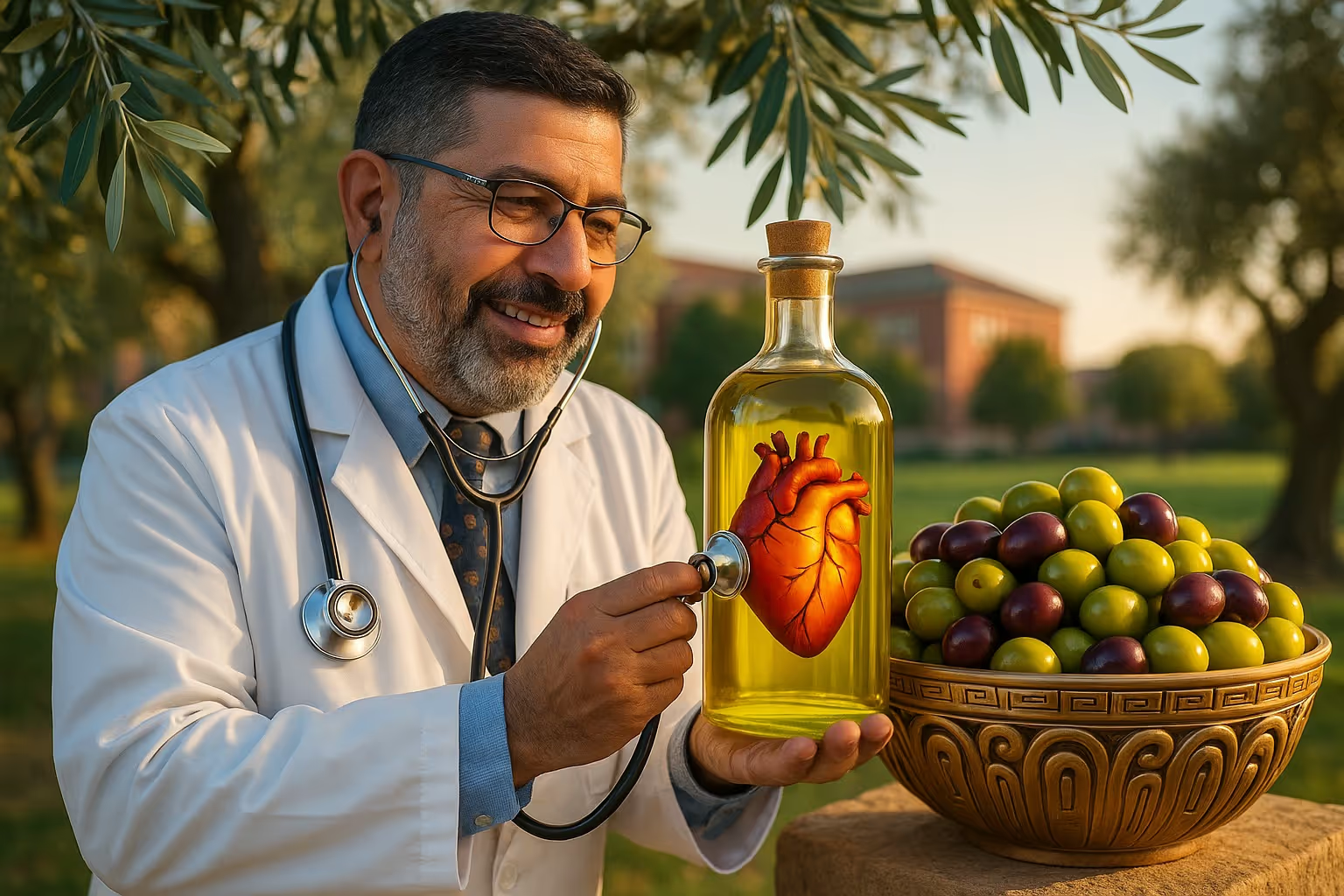
Note: This article was AI-translated from Arabic and is currently under manual review. The author is not responsible for any translation errors. Please refer to the original Arabic text for the most accurate and authoritative information.
Olive oil, especially Extra Virgin Olive Oil, is not just a delicious food ingredient, but an effective ingredient in supporting cardiovascular and metabolic health, based on the results of clinical studies and documented scientific reviews.

✅ Eating olive oil regularly reduces triglyceride levels in the blood, especially when saturated or artificial fats are replaced with it.
Scientific example:
In a clinical study within the Spanish PREDIMED project, researchers observed a significant reduction in triglycerides in individuals who adopted a Mediterranean diet rich in olive oil compared to those who followed a low-fat diet.
✅ Olive oil raises the level of good cholesterol (HDL) and contributes to reducing bad cholesterol (LDL) thanks to its content of monounsaturated fatty acids (such as oleic acid) and polyphenol antioxidant compounds.
Scientific evidence:
The American Journal of Clinical Nutrition published the results of a trial that showed that using extra virgin olive oil as a primary source of fat significantly improved overall cholesterol.
✅ Olive oil helps improve insulin sensitivity and reduce sudden rises in blood sugar after meals, especially when used in a low-glycemic diet.
Important information:
Olive oil does not contain carbohydrates, but when eaten with carbohydrates (such as bread or rice), it reduces the speed of sugar absorption and reduces the burden on the pancreas.
✅ Regular consumption of extra virgin olive oil may lower systolic and diastolic blood pressure, thanks to its effect on vasodilation and improved elasticity.
A documented study:
In a study published in Hypertension, taking 30—40 ml per day of extra virgin olive oil for 6 months was shown to significantly lower blood pressure in patients with high blood pressure.
Real life examples:
Crete Community (Greece):
Residents of this area follow a diet rich in olive oil and are characterized by low rates of heart disease, diabetes and pressure, despite their age.
Type 2 diabetics:
Several studies have shown that adding olive oil to the meals of diabetics improves blood sugar control and reduces insulin resistance.

Extra virgin olive oil is more than just a cooking oil... It is a true “diet therapy” that supports heart health, balances blood sugar, reduces triglycerides, and helps control blood pressure.
But you should pay attention to moderation in the amount (2 to 4 tablespoons per day) and choose high-quality extra virgin oil.