 Advertise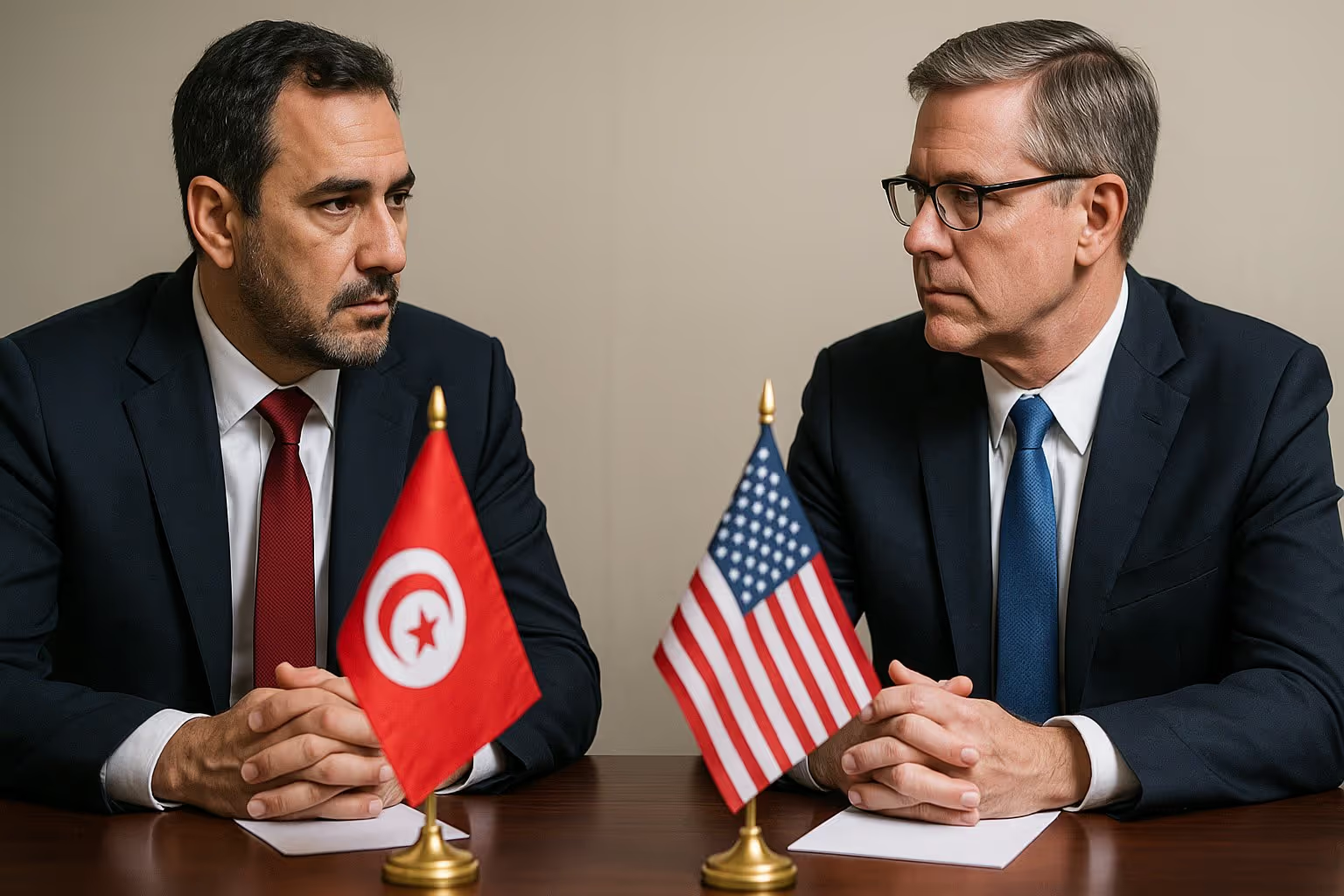
Tunisian diplomats are negotiating a better trade agreement with the United States to avoid a 28% tariff on key exports such as olive oil and dates.
Marwan Ben Jemaa, chairman of the Tunisian-American Chamber of Commerce and Industry, is leading negotiations in Washington to prevent new tariffs from being imposed on Tunisian exports to the United States. The tariffs had been postponed for 90 days and temporarily replaced with a baseline rate of 10%.
Mohsen Hassan, Tunisia's former trade minister, warned that a 28% tariff would undermine the competitiveness of Tunisian products in the US market, particularly in sectors such as olive oil, dates and handicrafts. Ben Jemaa also noted that varying tariff rates imposed on competing countries could weaken Tunisia's share of the US market.
In recent years, Tunisia has benefited from the US Generalised System of Preferences (GSP), which allows exports from developing countries to enter the US market without specific customs duties. The scheme has been a strong support for Tunisian exports, particularly in the olive oil and date sectors.
Wajih Rekik, chief executive of CHO America (the US arm of Tunisia's largest olive oil exporter), said large volumes of Tunisian olive oil reach the United States indirectly via Spain, complicating the impact of any tariffs. "The volumes that go directly from Tunisia to America are clear, but there are additional volumes that go to Spain and are then re-exported to America," he explained.
Rekik explained that a 28% tariff could have caused significant damage, but with a uniform 10% rate currently applied across the board, the situation has become more manageable. He added that olive oil prices have recently fallen, meaning retail prices for American consumers remain lower than in previous years, even with the tariff in place.
Tunisia's olive oil exports to the United States fell by 26.8% in the first four months of this year compared with the same period in 2024, largely due to lower prices at origin.
Some Tunisian producers declined to comment on the current situation, but confirmed that the prevailing uncertainty is making it difficult to sustain their businesses. Reda Chkoundali, an economics professor at the University of Carthage, said the temporary suspension of tariffs is creating a state of uncertainty that is negatively affecting the global economy, particularly given the fragility of the Tunisian economy and its heavy reliance on tourism, olive oil and fertilisers.
Rekik expressed hope that olive oil would be treated as an exceptional product during trade negotiations, citing its significant health benefits, including reducing the risk of heart disease and Alzheimer's. He also noted that the Trump administration does not favour industrial vegetable oils, and that olive oil is the healthier alternative.
Olive oil is one of Tunisia's most important exports to the United States, within a broader range of goods and services. The agricultural sector contributes significantly to the country's GDP growth. According to data from the Tunisian General Labour Union, around 87% of informal workers in Tunisia are employed in agriculture, which makes up a substantial share of the informal economy, estimated at 30 to 40% of GDP.
Tunisian companies are currently working on short-term solutions, such as building up inventory in the United States, but they recognise that the future of the sector depends on whether these tariffs permanently reshape the rules of the market in the long run.