
Lang
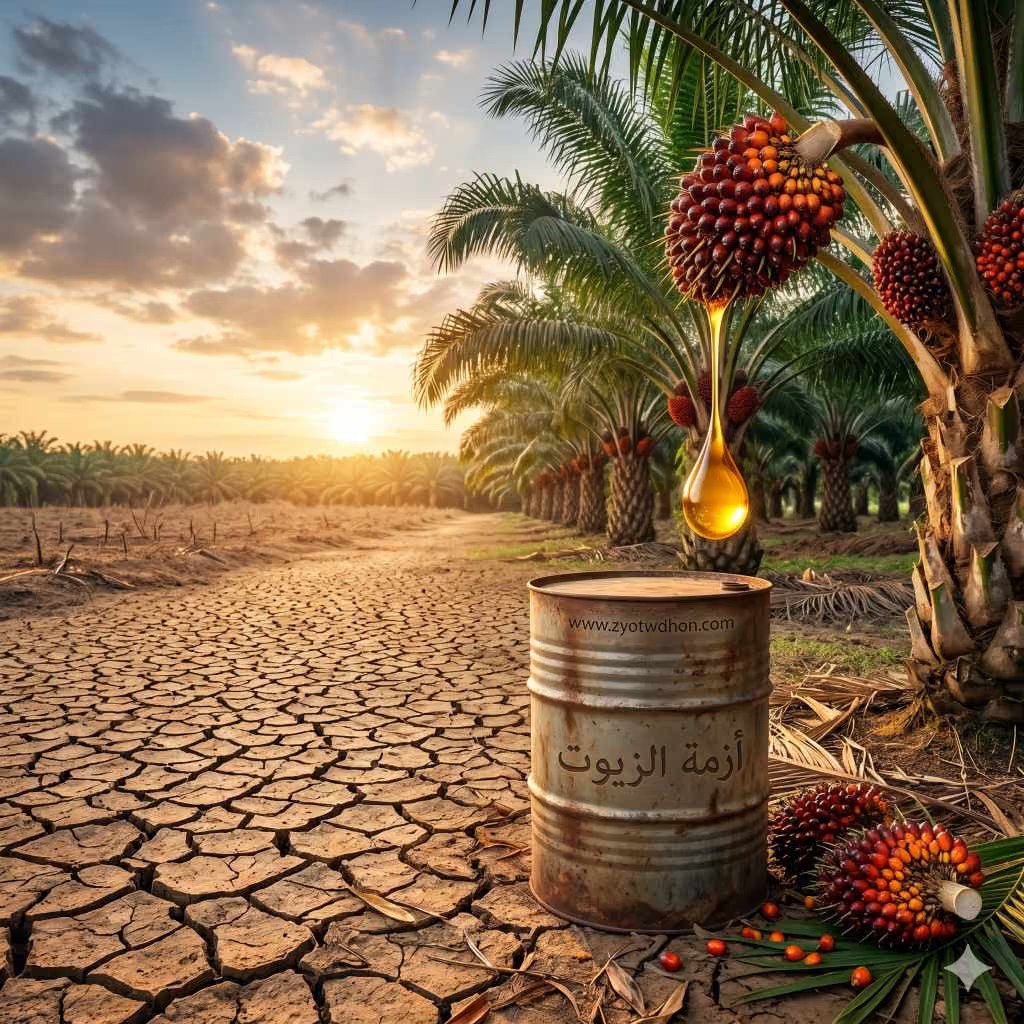
A growing body of analysis from agricultural economists and commodity market specialists is pointing to a scenario in which global palm oil production may reach its peak earlier than mainstream forecasts have traditionally assumed — potentially within this decade rather than the mid-2030s as previously anticipated.
The argument for an earlier production peak rests on several interconnected structural factors. First, the average age of oil palm plantations in both Malaysia and Indonesia has been rising steadily for over a decade, with a significant proportion of the planted area now consisting of aging trees that are past their peak productivity years. Replanting rates have lagged the rate of tree aging, creating a structural drag on yield potential.
Second, the availability of suitable land for new palm oil plantation development has become increasingly constrained, both by environmental regulations that restrict the conversion of forests and peatlands to agricultural use, and by the growing social and reputational risks associated with plantation expansion into sensitive ecosystems.
Third, yield improvement through better agricultural practices and improved seed varieties — which drove productivity gains for several decades — appears to be approaching its biological ceiling in many regions, with diminishing returns on additional agronomic inputs.
If the production peak does arrive earlier than expected, the implications for global vegetable oil markets would be significant. Palm oil currently supplies approximately 35-40% of total global vegetable oil production, and any sustained plateau or decline in supply would put structural upward pressure on prices across all competing oils and fats, with major implications for food security and biodiesel programs worldwide.