 Advertise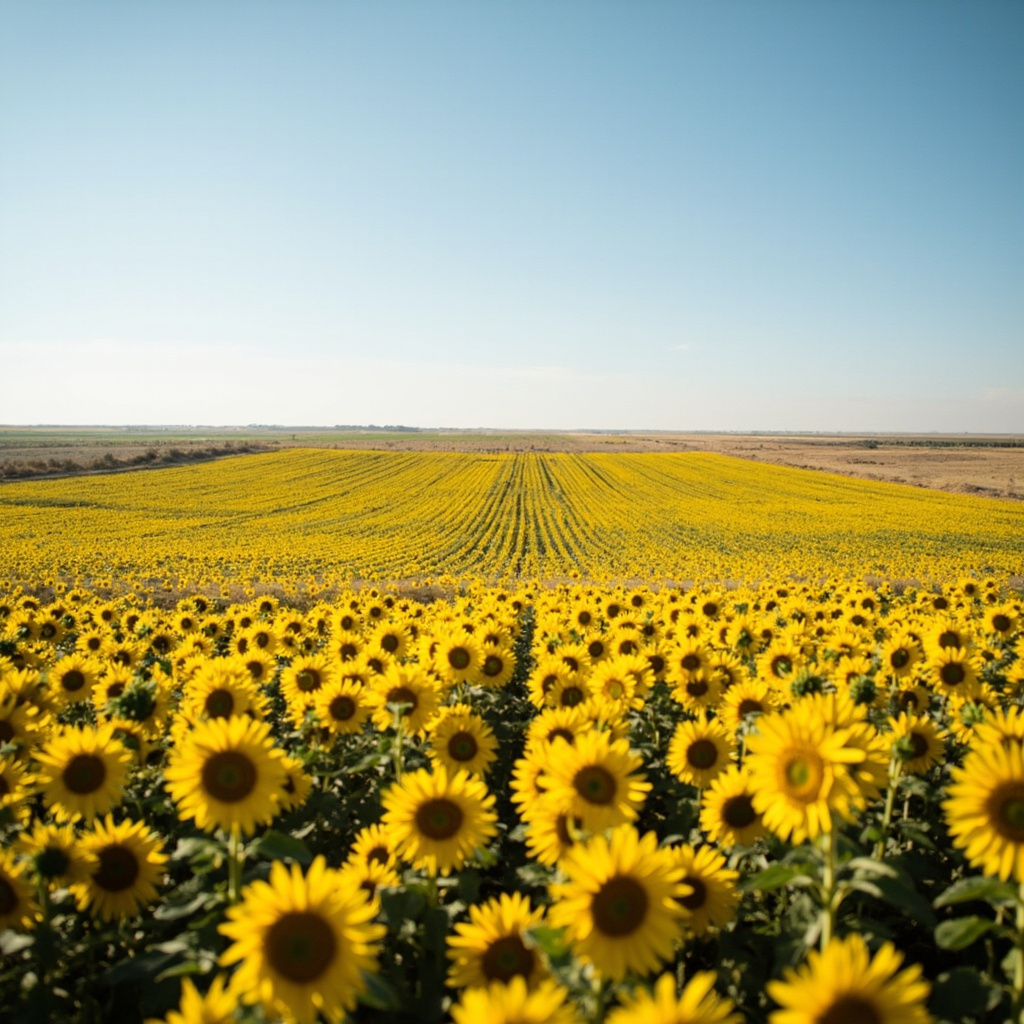
As Egypt seeks to boost domestic output and rein in its import bill, the cooking oil sector remains one of the clearest indicators of the gap between local production and annual market demand.
Available data show that Egypt imports between 90% and 98% of its cooking oil requirements, while annual consumption and the local shortfall stand at 2.2 to 2.4 million tons, against domestic production that covers no more than 2% to 10% of needs.
These figures raise a fundamental question: why is Egypt not expanding the cultivation of oil crops that could help close part of the demand gap and gradually reduce reliance on imports?
Dr. Maher Wali, Professor of Horticulture and former Dean of the Faculty of Agriculture at Al-Azhar University, outlined a vision centered on a clear national program to scale up oil crop cultivation, aimed at narrowing the gap between domestic output and the volumes procured from abroad.
Wali stressed that canola could play a central role in this system, particularly because it is a winter crop capable of thriving in poor-quality soils. He also proposed using the summer season to grow sunflower, creating an integrated two-season production cycle that could be applied especially in the lands of the New Delta project.
He noted that a combined canola-sunflower program could significantly narrow the edible oil import gap and lift the self-sufficiency rate to higher levels.
Wali's vision extended beyond these two crops to include cotton as a source of oilseed, arguing that expanded cotton cultivation could deliver additional volumes of oil-bearing seeds. At the same time, he stressed the need to safeguard the competitive edge of Egypt's long-staple cotton. He strongly criticized talk of planting American cotton in Egypt, insisting on protecting the quality and identity of Egyptian cotton, and said: 'Even my worst variety is longer than the American one.'
For his part, Dr. Salah Youssef, former Minister of Agriculture, placed the expansion of oil crops at the top of the proposed solutions for raising domestic edible oil output. He said boosting production requires scaling up sunflower and sesame cultivation, alongside exploring oil palm in suitable areas.
The former minister underlined that diversifying domestic oil crop sources is the most effective path to narrowing the import gap, rather than relying on a single crop or supplier.
In exclusive statements, the Ministry of Agriculture confirmed that the major national projects, foremost among them the New Delta, Mostakbal Masr (Egypt's Future), Toshka and Sinai Development, have added around 2.2 million feddans to the country's agricultural land. It noted that these projects are a pillar of the national food security strategy and have helped cut the food gap for strategic crops by between 60% and 80%.
The ministry added that part of this expansion is anchored in enlarging areas planted with oilseeds, with the goal of raising domestic output and reducing the dollar-denominated import bill. It stressed that the new lands offer a real opportunity to redraw the oil crop map, rather than simply expanding overall agricultural acreage.
In parallel with these expert views, a study by the Field Crops Research Institute, part of the Agricultural Research Center, revealed a research direction aimed at boosting output of crops linked to the oil industry, through breeding programs and early-maturing varieties for maize, canola and sunflower, alongside better use of cottonseed and soybeans, with expansion into newly reclaimed lands.
The study positions the olive crop among the proposed solutions for advancing Egypt's oil industry, calling for expansion into new lands, including intensified olive tree planting in the 1.5-million-feddan project in the Western Desert, and securing the seedlings needed to grow planted areas.
The study highlighted a key structural feature of Egypt's olive sector: around 75% of olive-planted areas currently rely on varieties destined for pickling, opening a debate on whether to expand oil-oriented olive varieties and leverage new lands to support the edible oil industry.
The study gave canola a prominent place as one of the most important oil crops globally and a leading source of vegetable oils after palm oil and soybean oil. It noted that canola is grown in Egypt as a winter crop, making it a strategic option within the domestic oil production expansion framework. The study added that canola oil is suitable for human nutrition and for use in bakery applications.
Source: Vetogate