
Lang
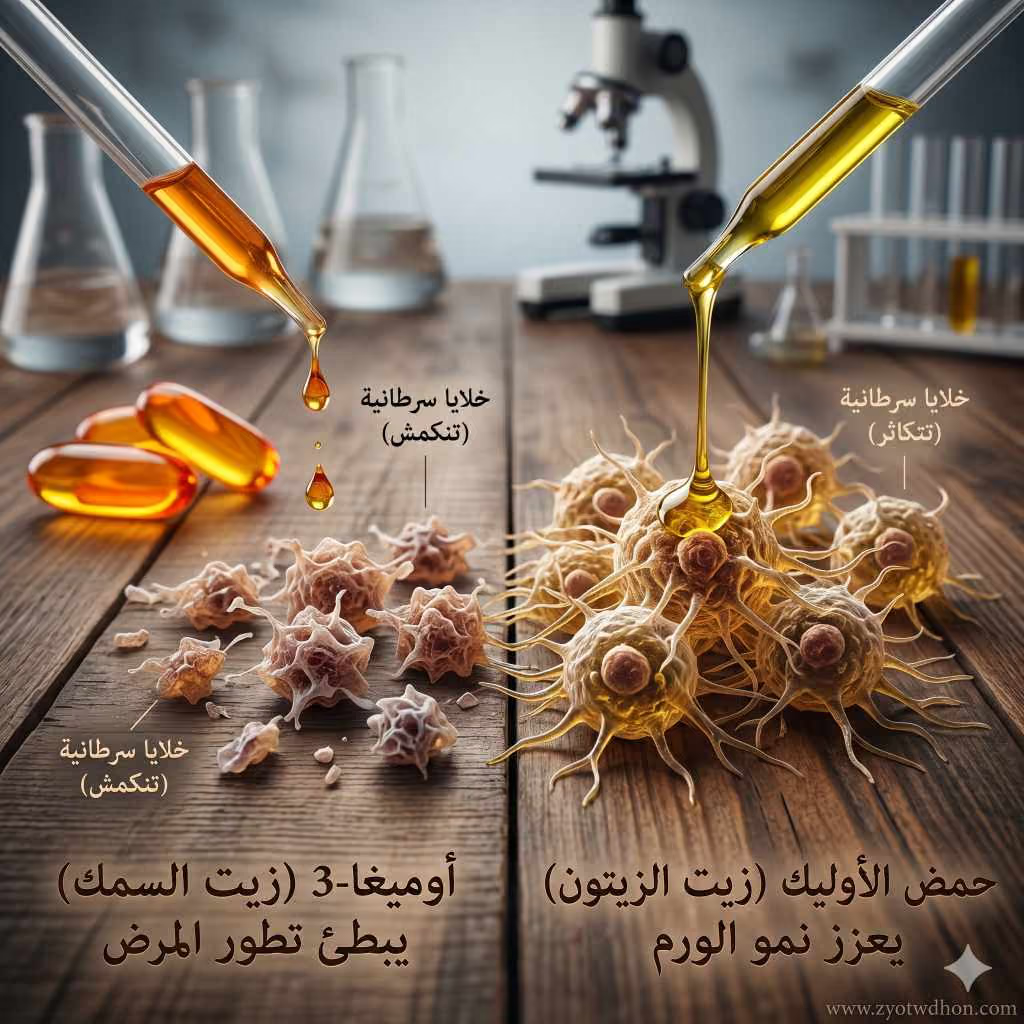
A new study published in a leading peer-reviewed journal has produced surprising findings on the relationship between dietary fat consumption and pancreatic cancer, challenging long-held assumptions about the role of total fat intake in driving tumor progression.
The research, conducted by a team of scientists at a leading oncology research center, found that it is the specific type of dietary fat — rather than the overall quantity consumed — that determines the impact on pancreatic cancer growth rates. The study identified distinct and opposing effects from two of the most widely consumed unsaturated fatty acids.
Oleic acid, the predominant monounsaturated fatty acid found in olive oil, avocado, and many nuts and seeds, was found to significantly accelerate the growth and proliferation of pancreatic cancer cells in the study models. The researchers identified specific molecular pathways through which oleic acid promotes tumor cell metabolism and growth.
In contrast, linoleic acid — the primary omega-6 polyunsaturated fatty acid found in sunflower oil, soybean oil, and corn oil — demonstrated a protective effect, inhibiting the same cancer cell proliferation pathways that oleic acid stimulated.
The study's authors cautioned that the findings should not be interpreted as a straightforward recommendation to avoid oleic acid-rich foods, noting that oleic acid has numerous well-documented cardiovascular and other health benefits. They called for further clinical research to better understand the complex interaction between specific dietary fats and cancer biology before any dietary guidance changes are made.