 Advertise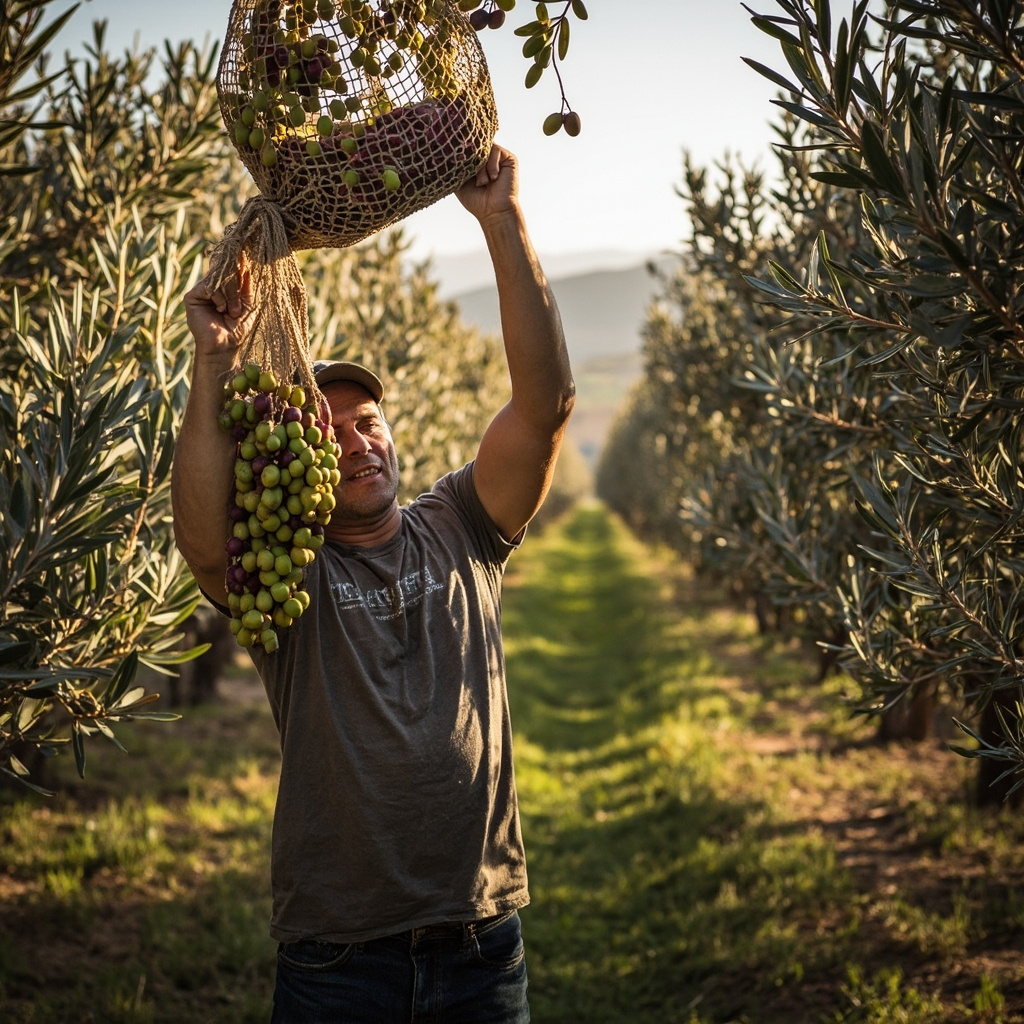
Extra virgin olive oil prices are projected to fall sharply to between 3 and 3.50 euros per liter this season, driven by an optimistic harvest forecast of roughly 1.6 million tons of olives—some 300,000 tons above last year's output.
Producers attribute the upbeat outlook to abundant rainfall during January and February, which significantly improved flowering conditions across olive groves. However, they caution that precipitation this October remains critical to realizing the full forecast.
«We are now at the key moment of the year, because the olive tree needs moisture in the ground. If it does not rain this October, it will be difficult to reach our forecast of 1.6 million tons of olives,» said producer Paco González of Aceites Guadalimar, one of the largest production companies in Jaén, the world's leading olive-oil producing region. The company supplies a significant share of its output to Catalan firms.
Catalan producers echo a similar picture, noting a sharp divergence between rain-fed and irrigated crops due to the dry summer. «In the irrigated fields, on the other hand, we have many olives and very good production, which is why we are forecasting a large and good quantity of oil,» said Jordi Macià of Olis Macià in Artesa de Segre.
Pere Albà, president of the Siurana Protected Designation of Origin, struck a more cautious note: it remains too early to make firm forecasts, but mills will open in mid-October to press the first batches of unfiltered olive oil, which typically command premium prices in the marketplace.
For producers, however, a 3-euro price point represents a serious imbalance with production costs. «Three out of every four farmers are losing money due to this mismatch,» González warned, citing elevated expenses for labor, diesel, fertilizers, electricity, and machinery as the primary cost pressures squeezing processors.
The contrast with recent years is stark. Just three seasons ago, a severe drought limited output to roughly one million tons, pushing retail prices to a peak of 10 euros per liter. Although subsequent harvests have recovered, most one-liter bottles on supermarket shelves still retail near that 10-euro mark—largely because merchants continue to offload inventory purchased at elevated prices in prior years.
The early olive harvest is set to begin in October, with the first green olives destined for early-press, premium-grade oils.
Source: Diari ARA