 Advertise
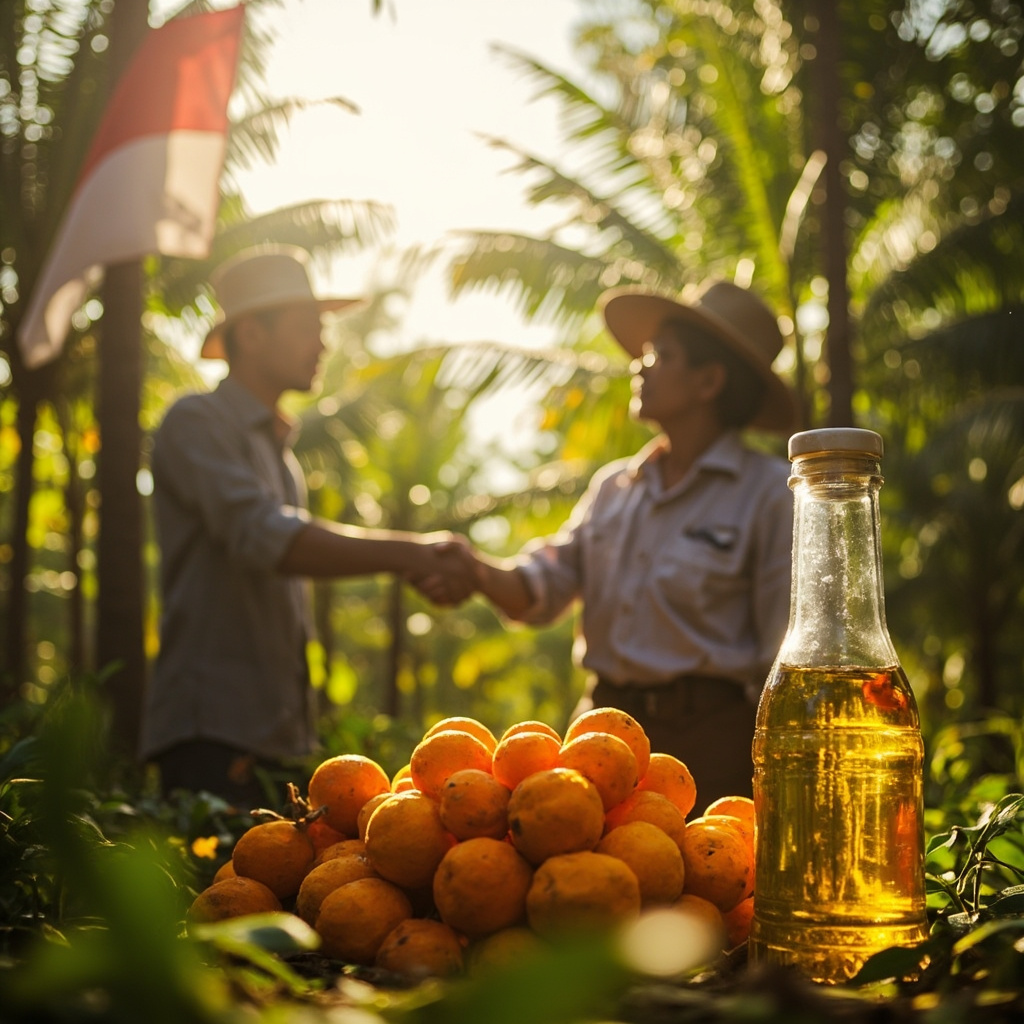
Musim Mas Group has announced the successful conclusion of its five-year smallholder engagement program in Subulussalam, Aceh, Indonesia. The initiative demonstrates a scalable model for improving smallholder livelihoods while protecting critical biodiversity in the Leuser Ecosystem, where 87% of the province's high-conservation-value landscape is located.
The program significantly surpassed its initial growth targets over the five-year period. While the original goal was to train 40 Village Extension Officers (VEOs) and 1,000 farmers, the project actually equipped 117 VEOs and 2,239 independent smallholders across 48 villages. By employing a 'train-the-trainer' approach, Musim Mas ensured that sustainable agricultural knowledge remains embedded within local communities, creating an impact that lasts beyond the project's duration.
Training focused on Good Agricultural Practices (GAP) aligned with No Deforestation, No Peat, and No Exploitation (NDPE) principles. Advanced modules covered financial literacy, public speaking, farm management, and preparation for Indonesian Sustainable Palm Oil (ISPO) requirements. A dedicated Women Smallholders Program also empowered female participants with essential knowledge regarding health, nutrition, and household financial management.
Industry leaders emphasized the importance of cross-sector collaboration in driving durable progress. Sengbee Ng, Sustainable Multi-Oils Manager at AAK, highlighted that investing in smallholder livelihoods is fundamental to creating resilient and sustainable supply chains. Olivier Tichit, Director of Communications and Sustainability at Musim Mas, noted that the program’s success provides a framework that can be adapted and replicated across other global sourcing regions.
Musim Mas Group is an integrated palm oil leader operating in 14 countries and is one of the world's largest producers. The Group was the first major company in Indonesia to join the Roundtable on Sustainable Palm Oil (RSPO) in 2004. In October 2024, Musim Mas announced that its greenhouse gas emissions reduction targets were officially validated by the Science Based Targets initiative (SBTi), further cementing its role in sustainable sector transformation.
Source: PR Newswire