 Advertise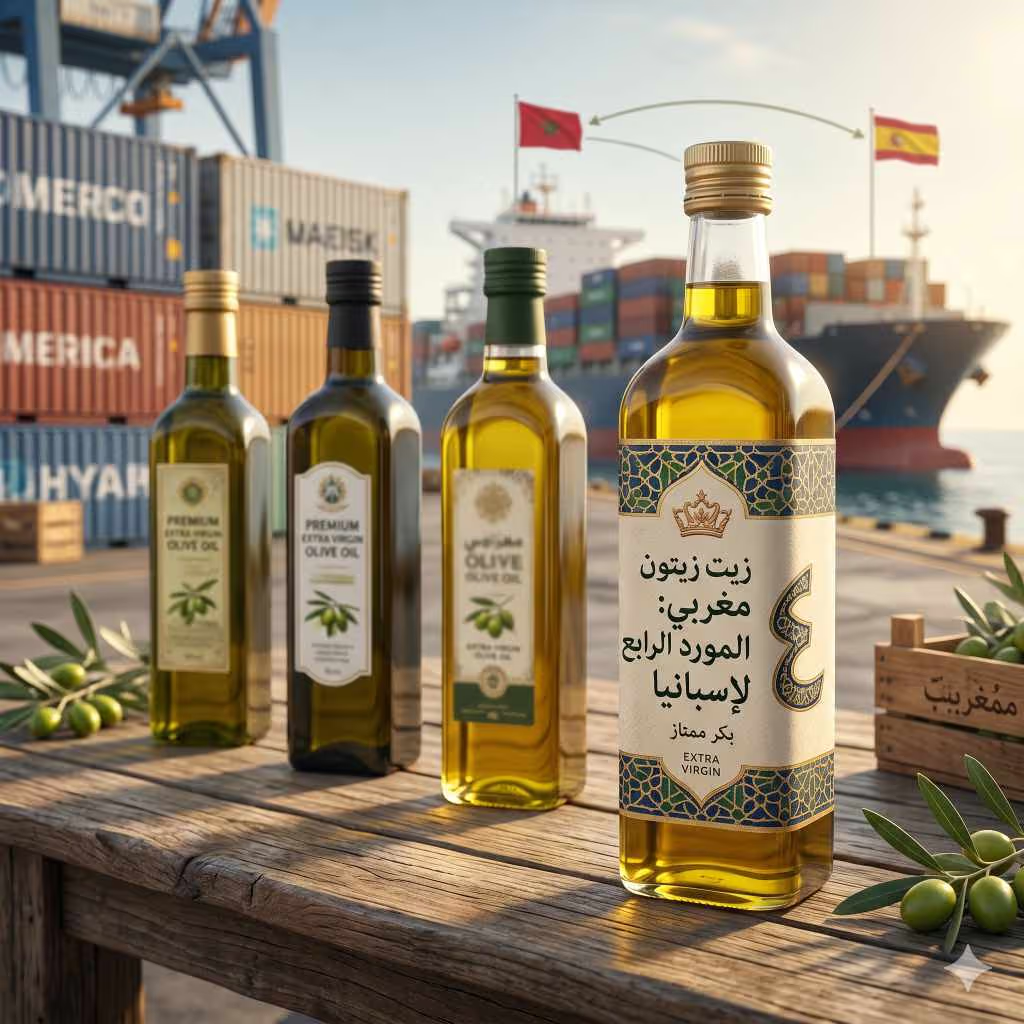
Morocco has moved from being a minor producer to becoming Spain’s fourth-largest olive oil supplier after a surprising rise during the 2025/2026 season.
Morocco has long been viewed as a secondary player in the global olive oil market, especially compared with Spain’s dominant position in production and exports. However, the 2025/2026 season marked a turning point that is quickly changing this perception.
According to recent data from Spain’s Ministry of Economy, Trade and Enterprise through DataComex, Spain’s imports of Moroccan olive oil rose in the first two months of 2026 from 55.21 tonnes to nearly 3,000 tonnes. This placed Morocco as Spain’s fourth-largest supplier, overtaking positions that had previously appeared firmly established.
Morocco’s New Olive Oil Era
Morocco has doubled its olive oil production compared with the previous season, rising from 90,000 tonnes to 200,000 tonnes. The increase was supported by an olive crop of around 2 million tonnes, almost twice the previous level, creating an export surplus of 60,000 tonnes.
This jump reflects the gradual modernization of farms and olive mills, many of which until recently relied on relatively outdated equipment. The current modernization process is improving quality and efficiency. Although Moroccan oil has not yet reached the level of Spanish oils, its highly competitive price is helping it enter European markets, especially Spain.
Morocco’s Role in the Spanish Market
During the 2025/2026 season, Spain imported 39,624 tonnes of olive oil, with Morocco ranking fourth behind Tunisia, Portugal and Italy. Morocco’s market share rose from 2.01% to 7.48% in just one year, almost tripling its position.
These figures do not directly threaten Spain’s dominance, but they represent an important development that the Spanish olive oil sector is watching closely. The competition comes with prices that Spain cannot easily match, partly due to the special trade conditions granted by the European Union to the North African country.
Drivers of Morocco’s Growth
Morocco benefits from trade preferences granted by the European Union, allowing it to sell at prices well below those of European producers. This is creating tension and concern among Spanish growers, who see traditional competition being reshaped by lower prices.
At the same time, investment in agricultural and production modernization is beginning to deliver results. New machinery and improved extraction techniques are making Moroccan olive oil increasingly competitive, particularly in terms of yield and price.
Implications and Outlook
Spanish olive oil producers are watching the rise of this fast-growing competitor with concern. Morocco’s stronger presence in the Spanish market and its price advantage cannot be ignored. The situation is pushing producers to rethink their strategies and avoid taking market positions for granted.
Despite the competition, Morocco’s growing role in olive oil also opens the door to new commercial opportunities and technology exchange that could support growth in both countries. Morocco is no longer a passing presence on the global olive oil map; it is becoming a player that may change the rules of the game.
Source: Modernit Digital