 Advertise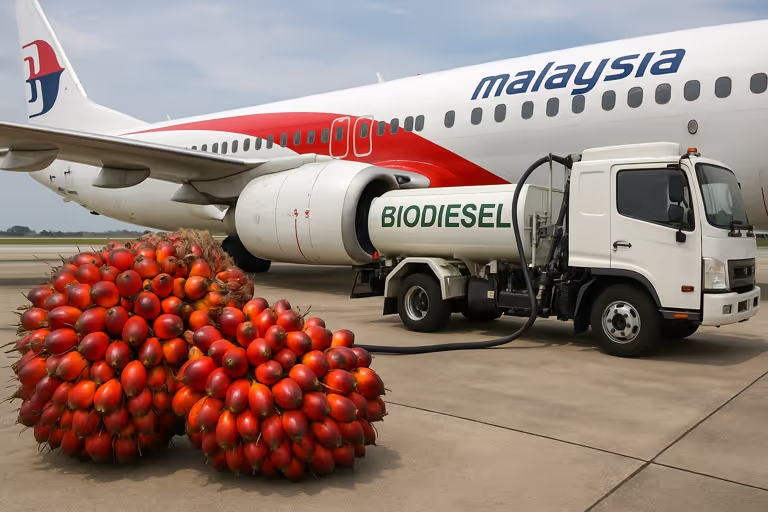
Malaysia is expanding biodiesel use in ground transport vehicles at its main international airport as part of its efforts to achieve carbon neutrality by 2050, according to the commodities minister.
Plantation and Commodities Minister Datuk Seri Johari Abdul Ghani said after launching a biodiesel pilot project that Malaysia will raise the biodiesel blend from B10, which contains 10% palm oil-based biodiesel, to B20 for ground transport vehicles.
Malaysia currently mandates 10% biodiesel use nationwide, while a 20% blend is used in Labuan, Langkawi, and Sarawak, excluding Bintulu.
Indonesia, the world’s largest palm oil producer, has launched its mandatory B40 program and is currently studying expansion to B50.
The minister said that if the pilot project succeeds, it will be expanded to other sectors as part of the country’s initiatives and commitment to carbon neutrality by 2050.
He did not specify a timeline for implementation.
Malaysian Palm Oil Board chairman Mohamad Helmy Othman Basha said similar pilot projects are being carried out at several major ports, including Northport in Port Klang, the Port of Tanjung Pelepas, Johor Port, and Kuching Port.
He added that using palm oil-based biodiesel will not only reduce dependence on fossil fuels, but also strengthen the role of oil palm smallholders and local communities involved in the industry.
He said the initiative proves that sustainable development and the economy can move forward together, benefiting both people and the environment.
Source: Reuters