
Lang
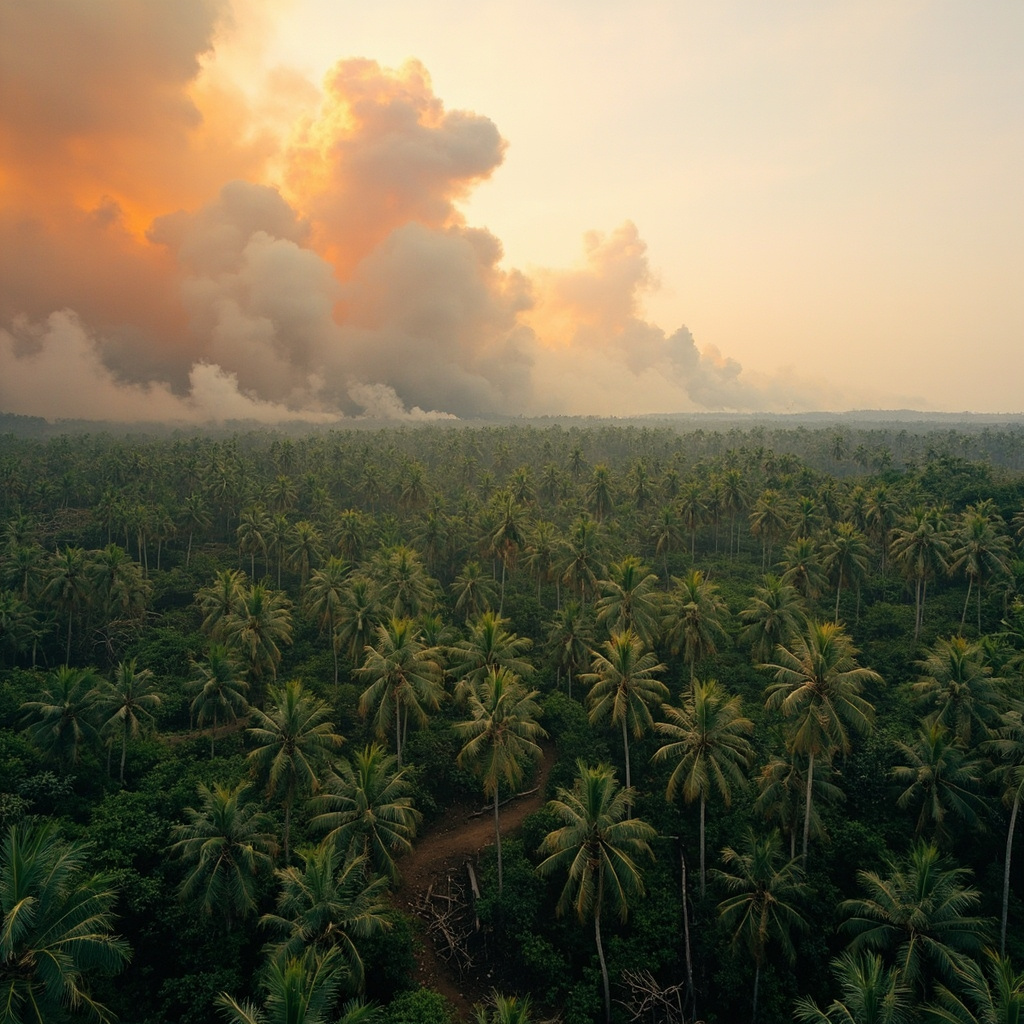
Palm oil production in Indonesia's Kalimantan region is projected to decline by 12–15% in the fourth quarter of 2026, driven by prolonged dry conditions and widespread fires. According to StoneX, output in the region may have already contracted by 11–12% in August alone.
Kalimantan accounts for more than one-third of Indonesia's national palm oil production. Central and West Kalimantan together contribute roughly 27% of the country's output, while the three Kalimantan provinces, including East Kalimantan, supply about 36% in total.
The crisis has been aggravated by Indonesia's most severe wildfire season in 11 years, fueled by El Niño-linked drought. Official figures indicate that approximately 202,000 hectares burned across the country between January and July, while the Yayasan Konservasi Alam Nusantara (YKAN) estimates that an additional 600,000 hectares were damaged in August.
The Indonesian Palm Oil Association (GAPKI) has cautioned that the impact of the fires could linger for an extended period. Fire-damaged palms may die or remain under severe physiological stress, and full recovery could take up to three years.
GAPKI has already trimmed its 2026 production forecast for Indonesia by 2.9% in response to the fires. Nevertheless, total output is still expected to remain above last year's level, supported by the entry into production of newly matured plantations.
Source: UkrAgroConsult