 Advertise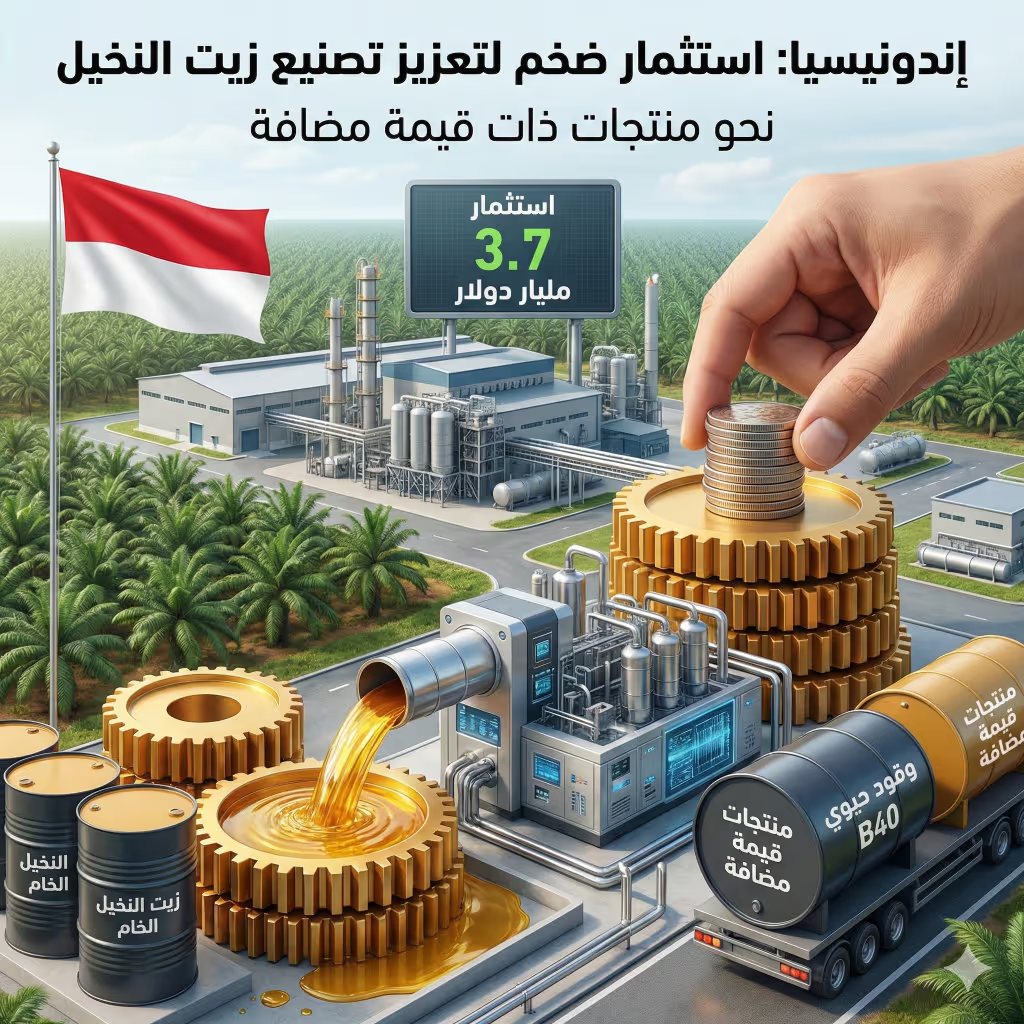
Indonesia attracted 62.8 trillion rupiah, more than $3.7 billion, in investment in the palm oil sector during 2025. The funds are aimed at developing higher-value products from raw materials, allowing the country to move up the value chain and capture greater economic gains from its agricultural resources.
Investment Minister Rosan Roeslani said the downstream industrial policy is designed to create jobs and generate a multiplier effect for the economy, as domestic processing also improves human capital and introduces new technologies. "We will continue to encourage this activity in the palm oil industry," Roeslani said.
Data show that Indonesia also received about 6.6 trillion rupiah in investment in other forestry sectors, including nutmeg, pine, coconut, cocoa and biofuels. The minister did not specify the breakdown of investment from domestic versus foreign investors, but stressed that the focus remains on industrial processing of raw materials.
The downstreaming drive extends beyond the forestry sector to mining, fisheries and the oil and gas sector. For example, investment in nickel processing reached 185.2 trillion rupiah, about $11 billion, nearly three times the amount invested in palm oil. Since 2020, Indonesia has banned exports of unprocessed nickel ore to spur domestic industrial processing.
Indonesia, the world's largest palm oil supplier, is also using the commodity to cut fuel imports. Its B40 policy mandates a 40% palm oil blend in biodiesel, and the government plans to raise this ratio to 50% in the second half of the year, depending on test results and the dynamics of oil and palm oil prices.
Source: Jakarta Globe