
Lang
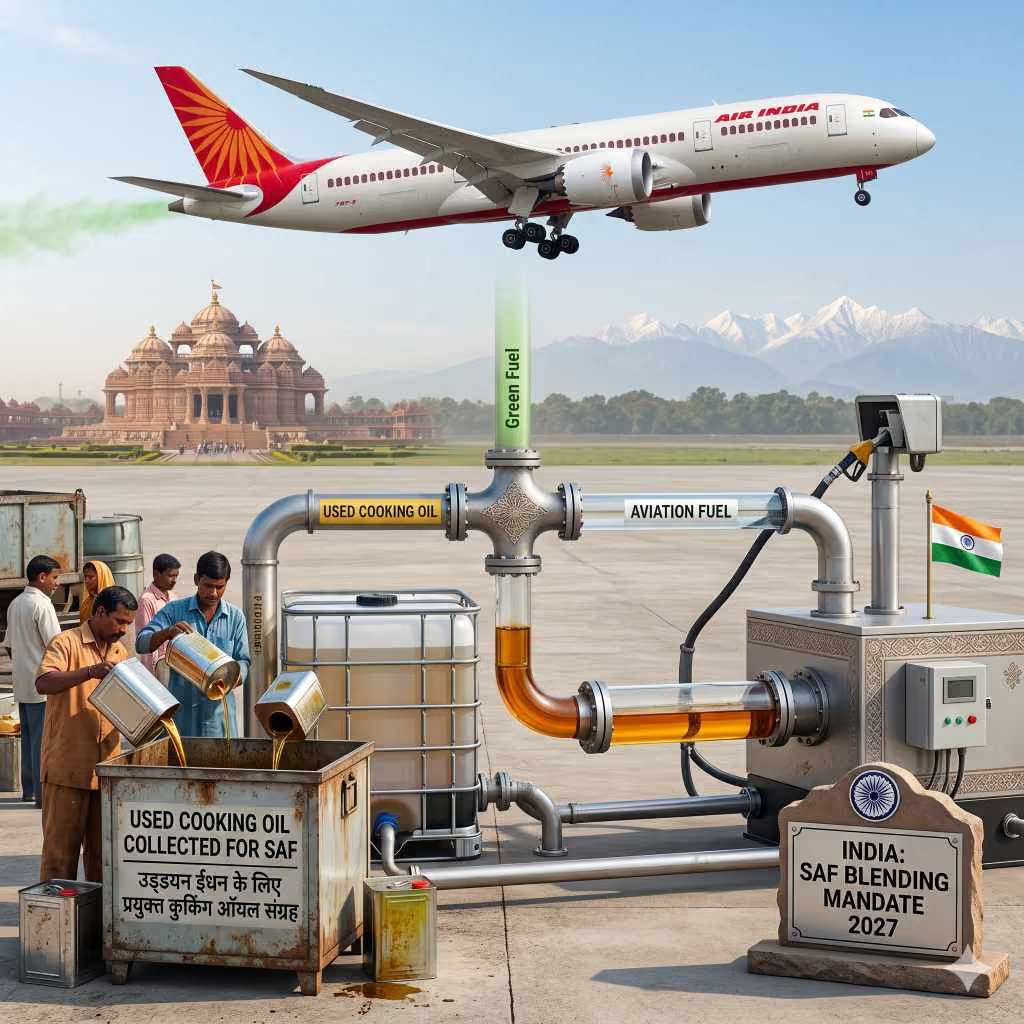
India is accelerating preparations to introduce a mandatory blending requirement for sustainable aviation fuel (SAF) derived from used cooking oil (UCO) and other bio-based feedstocks, with the 1% blending mandate targeted for implementation from 2027.
The move is part of India's broader strategy to decarbonize its rapidly growing aviation sector, which is projected to become one of the world's largest by passenger volume within the next decade. SAF produced from used cooking oils offers significant lifecycle greenhouse gas emission reductions compared to conventional jet fuel.
Indian oil refineries and biofuel producers are reported to be intensifying efforts to secure long-term supply agreements for UCO feedstocks ahead of the 2027 deadline. However, industry sources note that the collection and aggregation infrastructure for used cooking oil in India remains underdeveloped, and significant investment will be needed to create a reliable and scalable UCO supply chain.
The government has indicated it will introduce a comprehensive regulatory framework for the SAF mandate, including UCO collection guidelines, quality standards, and blending certification requirements, in the coming months. It is also considering financial incentives to encourage investment in UCO collection infrastructure and SAF production capacity.
International aviation industry stakeholders, including major airlines operating in the Indian market, have broadly welcomed the SAF mandate announcement, viewing India's commitment as an important step toward the global decarbonization of aviation.