 Advertise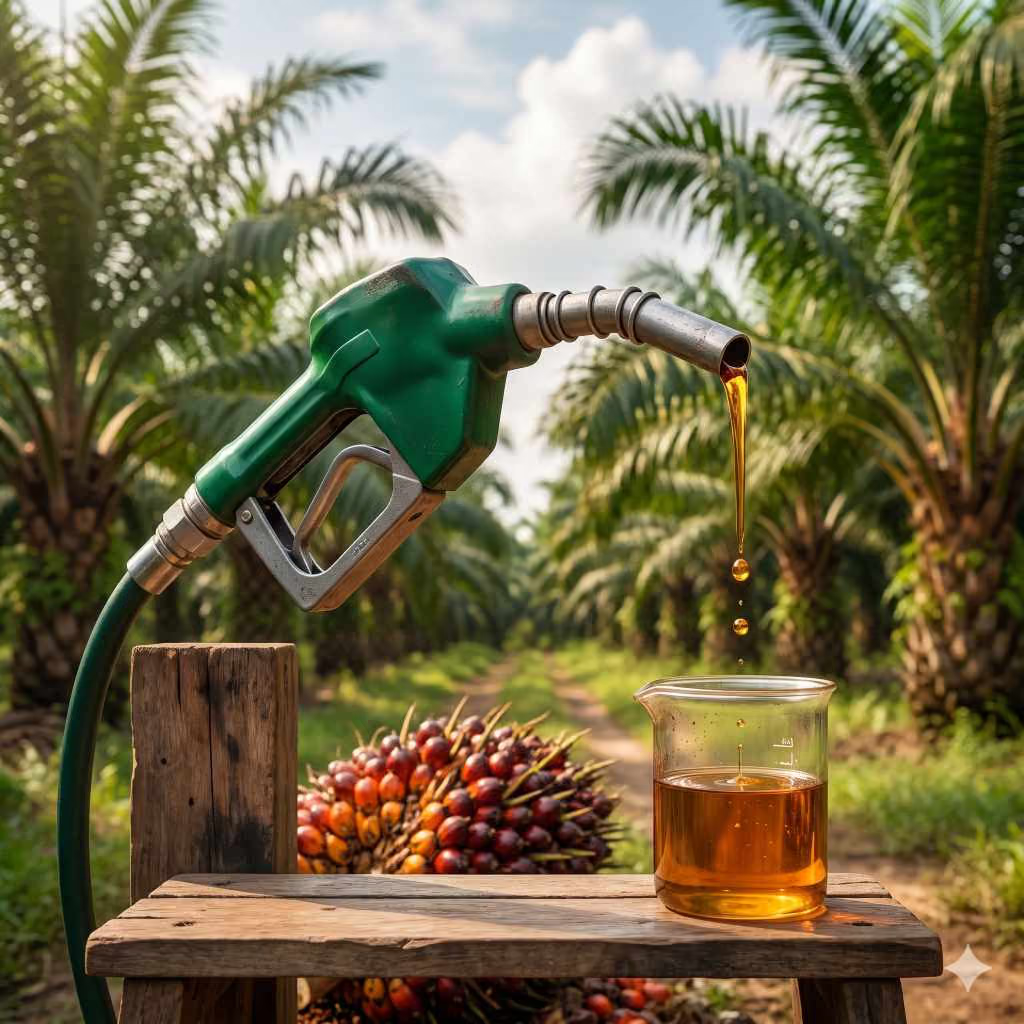
Under a cloudy sky at the Klang Valley Distribution Terminal (KVDT), a critical fuel distribution hub that supplies approximately 60 percent of Peninsular Malaysia's fuel demand, a massive 35,000-litre road tanker undergoes an essential energy transition process. Two separate hoses pump conventional diesel and palm oil methyl ester (PME) into the tanker. In the past, this inline blending process typically utilized a 90:10 ratio of fossil diesel to PME, creating what is known as B10 biodiesel. The two liquids continuously slosh around and thoroughly mix during the vehicle's transit, ensuring a highly homogeneous and uniform fuel blend by the time the tanker reaches retail gas stations and industrial factories.
However, a sweeping regulatory shift took effect on June 1. Driven by global supply disruptions caused by the Iran war, which severely choked shipping lanes across the vital Strait of Hormuz, Malaysia has commenced a phased increase of its biodiesel mandate. The traditional 10 percent palm oil content is being raised toward a 15 percent blend, known as B15. Even though the United States and Iran have subsequently reached a peace agreement, a massive backlog of commercial vessels remains stranded in the strait, and maritime congestion is projected to take several consecutive weeks to clear.
Faced with severe supply chain uncertainty, Kuala Lumpur enacted this strategy to aggressively safeguard its national energy security and stretch its domestic fuel reserves. Government officials had issued stark warnings that the country's existing diesel stockpiles could potentially deplete by July if consumption patterns remained unchanged. To clarify the scale of the broader global energy crisis and outline the administration's long-term responses, the Ministry of Economy is scheduled to deliver an official ministerial statement to Parliament when the legislative body reconvenes on June 22.
According to a senior representative from the pipeline infrastructure operator, PS Pipeline, every single percentage point increase of PME blended into the national fuel mix directly offsets a matching volume of imported fossil fuel. Transitioning fully to a B15 blend is estimated to reduce total diesel consumption by approximately 5 percent. While Malaysia functions as an oil and gas producer, it remains heavily dependent on foreign crude imports because its domestic extraction infrastructure satisfies only about half of the country's total daily requirement of roughly 700,000 barrels. Official figures from the Ministry of Finance reveal that between June and December 2024, Malaysians consumed a staggering monthly average of 465 million litres of diesel. By increasing the organic biomass portion from 10 percent to 15 percent at national fuel pumps, the country will effectively conserve at least 23 million litres of fossil diesel every month.
From a supply chain perspective, Plantation and Commodities Minister Noraini Ahmad noted that the elevated B15 mandate will require the allocation of 800,000 tonnes of palm oil annually for the domestic energy market out of a total four million tonnes allocated internally. This represents an incremental domestic demand increase of 300,000 tonnes compared to the older B10 parameters. Crucially, the minister emphasized that this domestic absorption will not disrupt Malaysia's lucrative international trade footprint, leaving the roughly 16 million tonnes of palm oil exported globally every year entirely unhindered. She confirmed that retail pumps nationwide are progressively transitioning to B12 and eventually B15, while specific remote or strategic territories—including Labuan, Langkawi, and the state of Sarawak (excluding Bintulu)—have already leapfrogged ahead to enforce a B20 diesel mandate.
To prevent physical damage to automotive engines and commercial logistics infrastructure, quality control remains exceptionally strict. Technical experts at PS Pipeline emphasize that all incoming PME carriers must pass thorough laboratory verification before unloading at blending depots. Any batch exhibiting signs of contamination or failing to hit rigid national standards is strictly rejected.
Currently, the widespread push toward B15 has caused utilization rates among domestic biofuel producers to skyrocket. Minister of Economy Akmal Nasir stated on June 11 that 69 percent of the country's existing biodiesel blending production capacity is actively being utilized to combat dependency on imported crude. This marks an extraordinary rebound from the sluggish 40 percent utilization rate logged before the B15 policy, a period during which local producers struggled with depressed domestic demand following the economic slowdown of the Covid-19 pandemic. According to the Malaysian Biodiesel Association—which comprises 17 full members and six associate members—the severe price volatility triggered by geopolitical conflicts makes biodiesel a highly competitive, stable, and attractive alternative for Malaysia's extensive logistics and commercial transportation industries.
Looking ahead, this transition is part of a much larger, structured national energy strategy. The Malaysian government has pledged dedicated funds to systematically upgrade blending infrastructure in multiple phases and across strategic geographic locations. According to roadmap targets, these capital investments are designed to support progressively higher biofuel concentrations, paving a clear development pathway to achieve a comprehensive B30 biodiesel mandate by the year 2030, as formally outlined in the 13th Malaysia Plan.
Source: Asia News Network / The Straits Times / BioEnergy Times