 Advertise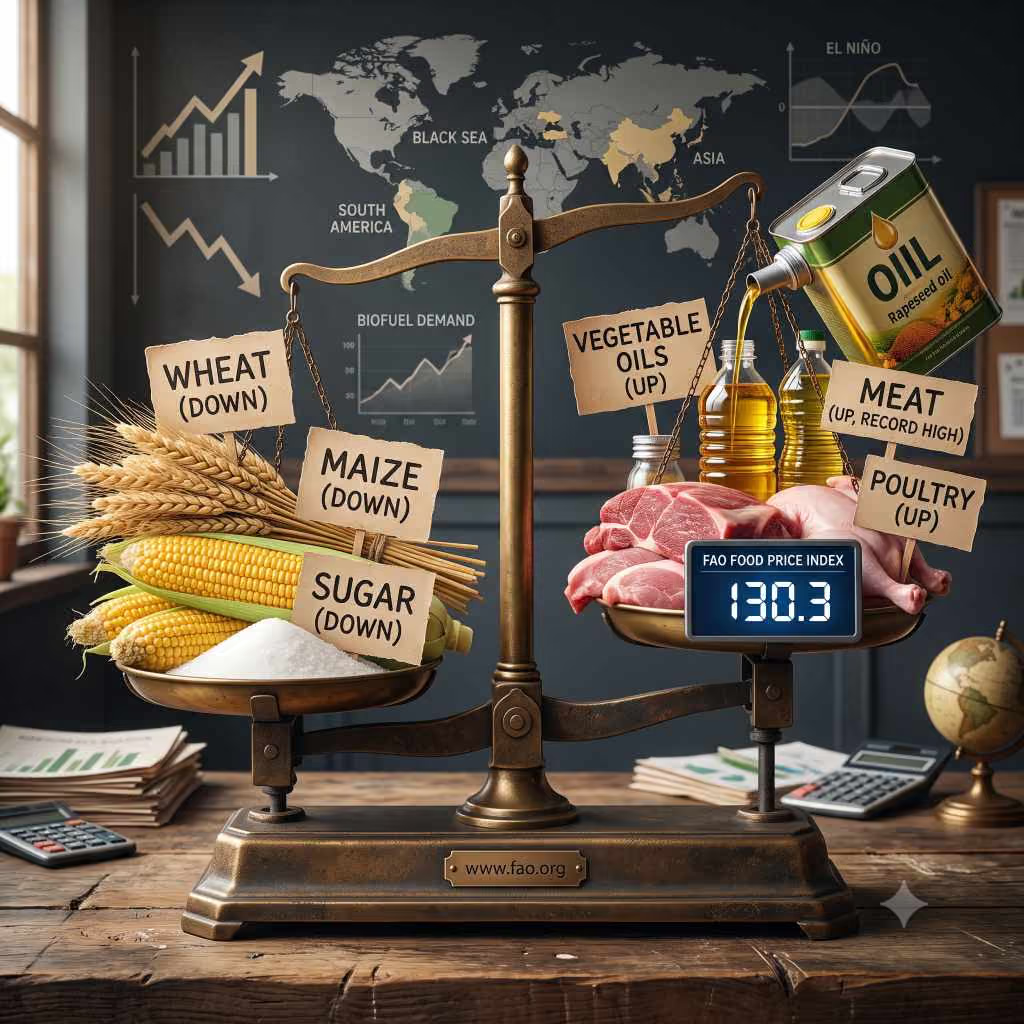
The United Nations' food agency reported a significant upward momentum within the international vegetable oil sector for the month of June. While the comprehensive global food commodity price gauge experienced a minor overall correction due to declines in other agricultural sectors, the vegetable oil complex stood out as a primary driver of growth, backed by evolving energy policies and solid global consumption.
According to data compiled by the Food and Agriculture Organization of the United Nations (FAO), the FAO Vegetable Oil Price Index experienced a substantial expansion, climbing by 3.8 percent from its May baseline level. This notable month-on-month increase reflects a tightening and strengthening across major vegetable oil categories after a period of relative stability.
Diving into the specific market dynamics, the upward trajectory of the index was heavily underpinned by rising international palm oil and rapeseed (canola) oil quotations. Export prices for palm oil drew robust support from strengthening, state-mandated biofuel blending targets in key producing countries, which effectively absorbed a significant portion of domestic output and limited international export availabilities. This increased demand from the bioenergy sector, coupled with steady purchasing from traditional food-sector importers, kept physical supplies tight.
Similarly, rapeseed oil prices climbed on the back of firm demand and growing consensus around expanded biofuel consumption globally. These bullish factors, alongside highly stable and resilient global sunflower oil pricing, completely overrode a general softening observed in the international soy oil market, where higher-than-expected crushing activities in South America had temporarily increased regional availability.
Commenting on the broader agricultural trade landscape, Boubaker Ben-Belhassen, the Director of FAO’s Markets and Trade Division, emphasized that while individual agricultural markets continue to react in varied ways to shifting structural factors, market transparency and the dissemination of timely data remain foundational pillars for reinforcing international supply chains in an increasingly volatile global macroeconomic climate.
Source: Food and Agriculture Organization of the United Nations (FAO)