 Advertise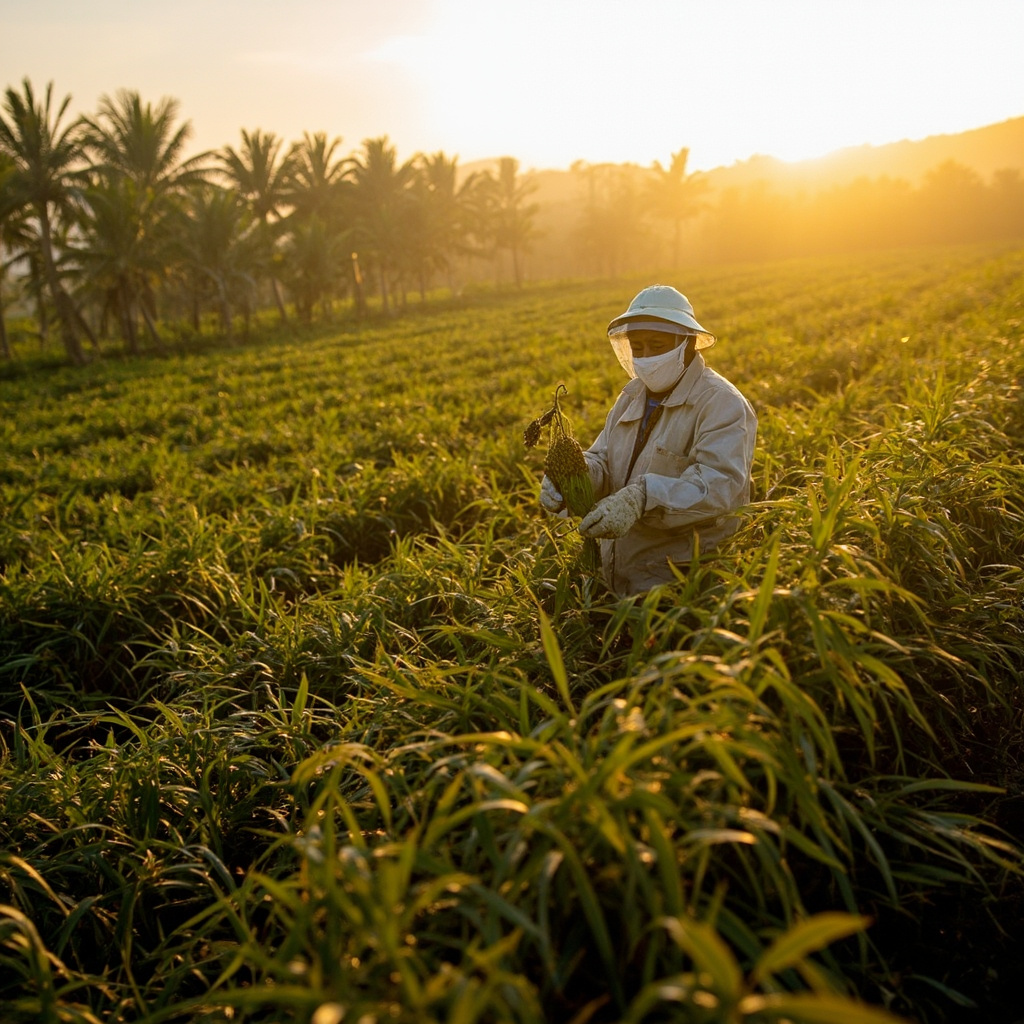
Ghana is embarking on an ambitious journey to achieve total self-sufficiency in palm oil production by 2032, spearheaded by the Tree Crops Development Authority (TCDA). The government has set a target to develop an additional 100,000 hectares for oil palm cultivation by 2026 as part of this broader national initiative. The primary objectives are to significantly boost domestic palm oil output, thereby lessening Ghana's dependence on imported edible oils and establishing the nation as a formidable competitor in the global palm oil market.
Speaking at a national multi-stakeholder roundtable, Dr. Andy Osei Okrah, CEO of the TCDA, underscored the necessity of pursuing this expansion responsibly. He stated that growth must simultaneously protect the environment, enhance productivity, and generate sustainable employment opportunities. Dr. Okrah clarified that the strategy prioritizes developing suitable production zones, revitalizing aging farms, and closing yield gaps on existing plantations, rather than resorting to deforestation for expansion. 'Ghana must prove that agricultural expansion and environmental responsibility can advance together,' he affirmed.
Eric Opoku, the Minister for Food and Agriculture, who also attended the roundtable, emphasized the critical need for a unified approach among all stakeholders to strengthen Ghana's oil palm sector. He urged the government, producers, processors, and other value chain participants to collaborate in addressing industry challenges and fostering conditions conducive to increased domestic production. This call aligns with Ghana's national goal of reducing its reliance on imported edible oils and achieving greater self-sufficiency in palm oil.
Dr. Okrah further elaborated that the TCDA is tasked with transforming the government's vision for palm oil self-sufficiency into a concrete execution plan. Established under the Tree Crops Development Authority Act, 2019 (Act 1010), the TCDA will serve as the central regulatory institution responsible for licensing, production planning, industry data management, traceability, and quality assurance across the entire oil palm value chain. Its expanded mandate is expected to enhance sector coordination, provide superior data, and offer robust regulatory oversight to attract investment and support sustainable production practices.
The planned expansion highlights Ghana's commitment to boosting domestic agricultural output and fostering greater value addition within its palm oil industry. Dr. Okrah reiterated that sustainability and environmental responsibility will remain paramount throughout this expansion, especially as the country strives to increase production without contributing to deforestation.
Source: MyJoyOnline