
Lang
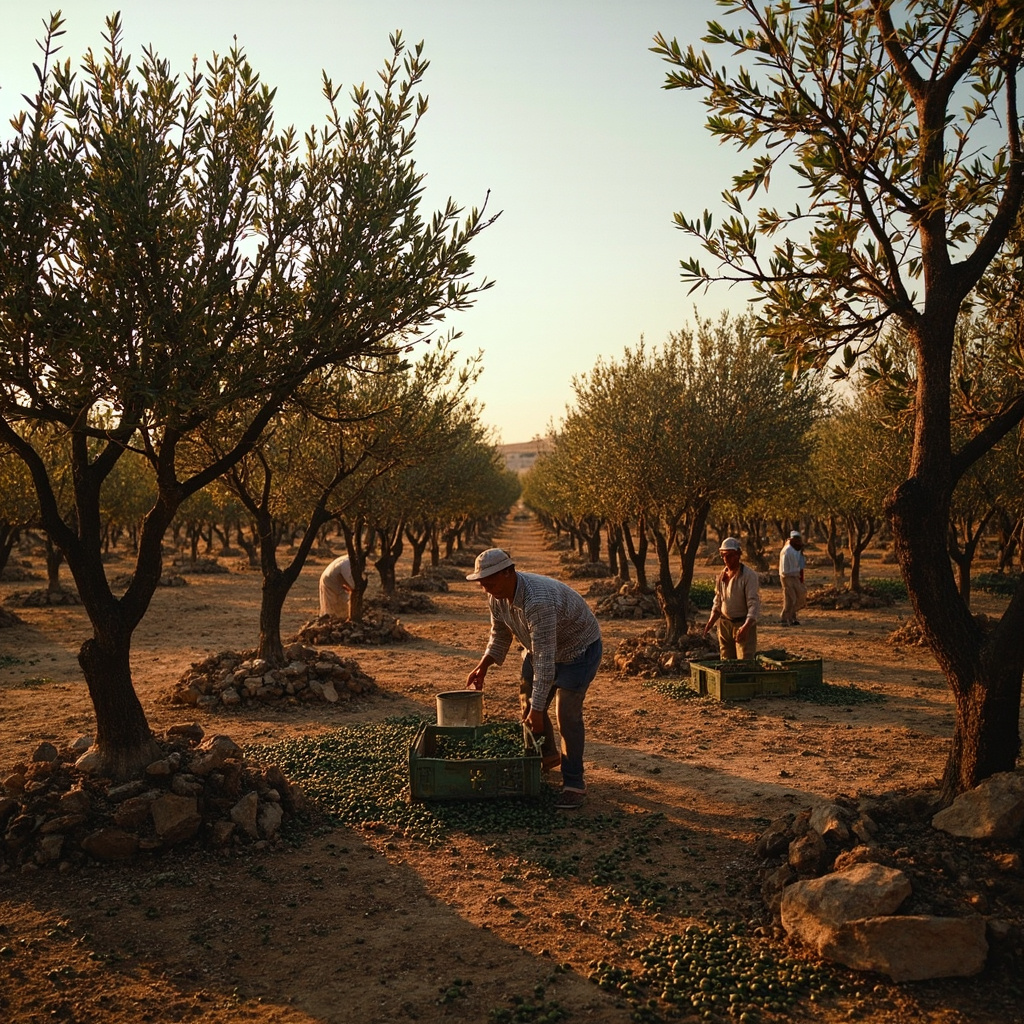
Gaza's olive cultivation areas are witnessing a sharp and unprecedented decline as a result of the ongoing war, shrinking from approximately 43,000 dunums in 2022–2023 to around just 5,000 dunums currently, according to Eng. Shaheer Al-Rifi, Director General of the Agricultural Development Administration and Chairman of the Olive Presses Committee in the Strip.
Revealing the figures in an interview with Palestine newspaper, Al-Rifi said the total olive cultivation area during that period amounted to roughly 43,000 dunums, of which 35,000 dunums were productive and 8,000 dunums were non-fruit-bearing. He explained that estimated olive fruit production in 2022 reached about 41,000 tons, with part of the harvest directed to pickling, while the remainder went to the presses, yielding approximately 6,384 tons of olive oil.
Al-Rifi noted that military operations destroyed vast stretches of orchards, reducing the remaining area to around 5,000 dunums distributed mainly across the Strip's governorates, particularly Khan Younis and the Middle Area. He indicated that expected production from the remaining area this year, at an average yield of one ton per dunum, could reach about 5,000 tons of olive fruit, stressing that this figure represents raw fruit rather than oil.
He pointed out that a portion of the output will be allocated to pickling, amid market competition, olive oil imports, and rising pressing costs, which means the quantity that will actually be converted into oil will be far lower than the total fruit output.
Regarding pressing infrastructure, Al-Rifi confirmed that the number of operating olive presses in the Strip has plunged sharply from 39 presses in 2022–2023 to only 8 currently in operation, distributed as one press in Gaza City and seven in the Middle Area.
He stressed that every input along the production chain, from the field to the consumer, affects olive oil quality, noting that the Ministry of Agriculture had been pursuing a strategy aimed at upgrading the specifications of Palestinian oil and strengthening its competitiveness in external markets. In 2022, the sector managed to export approximately 500 kilograms of olive oil to certain foreign markets, including the UAE, as part of efforts to open up markets for the local product.
Al-Rifi disclosed that the olive sector had been providing around 20,000 job opportunities during the season, covering transport, harvesting, pressing, mill operations, oil production, bottling, and retail distribution down to the consumer.
Concerning the challenges facing the remaining presses, Al-Rifi highlighted the steep rise in operating costs, particularly maintenance and spare parts expenses, explaining that some required parts are now unavailable, while available parts are sold at what he described as 'prices beyond imagination'. He added that the energy crisis poses an additional challenge, with power outages forcing the presses to rely on diesel generators. He explained that operating a 200 KVA generator consumes around 20 liters of diesel per hour, in addition to engine oil and maintenance costs, with engine oil needing replacement after roughly 100 hours of actual operation.
Al-Rifi warned that these elevated costs, combined with shrinking farmland and a declining number of presses, place olive oil production in the Strip under existential threat, endangering an agricultural sector that had once been a pillar of the local economy and a major source of employment.
He pointed to an emerging intervention plan, coordinated with relevant institutions and authorities, aimed at compensating press owners and rehabilitating presses that can be restarted, amid restrictions and the blockade that obstruct the entry of production inputs and rehabilitation operations. The support plans include covering energy supply costs, providing fuel and engine oil needed to operate the presses, and subsidizing part of the technical labor costs within the presses. Parallel plans to support farmers include covering part of the labor costs required to harvest the olives, helping rescue the remaining crop, alongside reclaiming and replanting available land with olive trees.
Al-Rifi stressed that these interventions come within efforts to preserve what remains of the olive sector and sustain the operation of presses and farmers, despite the heavy losses suffered during the war and the rising production and operating costs.
Regarding the start date of the olive harvest season, Al-Rifi explained that no official date has been set yet, as it depends on a range of natural and agricultural factors, such as water scarcity, the absence of fertilization and preventive treatments, and tree exposure to infestations. He noted that these conditions may push the harvest earlier than last season. He added that, at present, no specific date can be given, since scheduling is normally coordinated with the harvest season in the West Bank through a dedicated committee and mechanism, in order to avoid disruption. However, he generally expected the season not to be delayed, anticipating it would begin around the end of this month or the start of next month.
Source: Palestine Online