 Advertise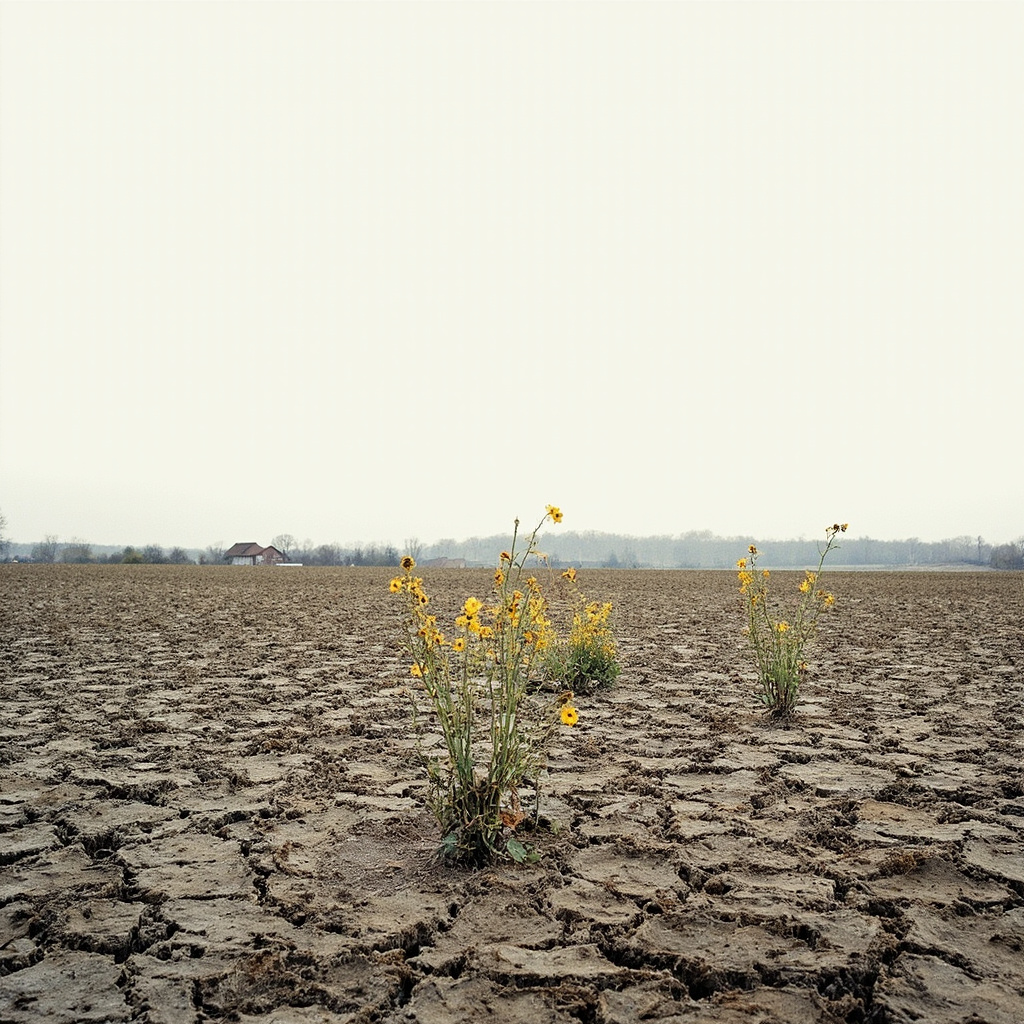
The European Union's rapeseed area for the 2027/28 marketing year is projected to decline by roughly 2% after drought severely disrupted the late-summer planting campaign, according to market analyst Expana, as reported by UkrAgroConsult.
Total area is expected to fall from 6.4 million hectares in 2026/27 to around 6.3 million hectares, a modest overall contraction that masks far sharper shifts within individual member states.
France is set to bear the brunt of the losses, with its rapeseed area projected to drop by 10% to 15%. The country is currently experiencing its worst soil drought on record, while forecast rainfall is expected to arrive too late to allow farmers to complete sowing operations.
Before weather conditions deteriorated, European farmers had intended to expand rapeseed area once again, motivated by strong prices. The persistent lack of moisture has since forced a reversal of those plans and is already generating supply risks for the upcoming season.
Expana also revised its estimate for the EU rapeseed harvest in 2026/27 downward, cutting the figure to 19.8 million tons from 20 million tons a month earlier, citing weaker yields in Germany and Poland. The soybean crop forecast was similarly reduced to 2.3 million tons from 2.6 million tons due to drought conditions.
In contrast, the EU sunflower seed production forecast was raised to 9.7 million tons from 9.5 million tons, supported by higher estimates for Bulgaria, Romania and Slovakia.
The analyst additionally lowered its forecast for rapeseed imports from Ukraine because of disruptions across the Black Sea region, and trimmed expected crushing demand on the back of low water levels in the Rhine, which are constraining supplies to German processors.
Source: UkrAgroConsult