 Advertise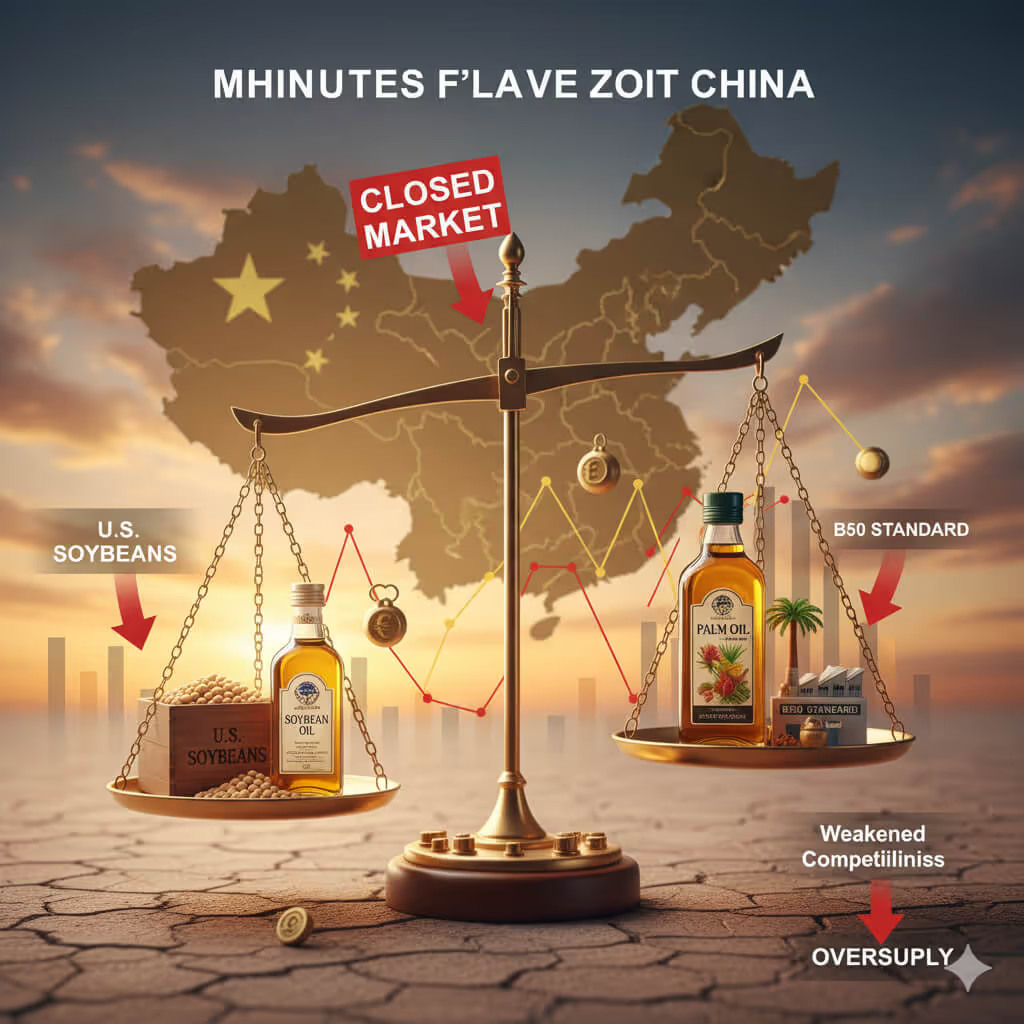
RHB Research said China's decision to halt purchases of US soybeans for the current season could push soybean oil prices lower, weakening crude palm oil's price competitiveness. According to Oil World, the US soybean stocks-to-use ratio is expected to reach 12% by the end of August 2026, its highest level in years, while the global figure is forecast at 29.5%, pointing to a supply surplus that will weigh on vegetable oil markets.
RHB noted that the price spread between palm oil and soybean oil has narrowed by 55% over the past three weeks, falling to $42 a tonne from $263 in June 2025. A further decline in soybean oil prices could curb demand for palm oil. India, for instance, shifted towards soybean oil imports early this year, cutting its palm oil purchases by 18% in the January–August period compared with a year earlier. If the spread stays narrow, palm oil imports are likely to remain constrained.
Trade tensions between the United States and China are compounding the situation. US President Donald Trump has announced a possible suspension of trade in used cooking oil with China in response to Beijing's refusal to buy American soybeans, calling the move "an economically hostile act." According to Trump, the United States can meet domestic demand for cooking oil independently, adding further uncertainty to the global vegetable oils market.
Meanwhile, the key factor still shaping palm oil prices is Indonesia's plan to introduce a B50 biodiesel mandate in 2026, which would require cutting palm oil exports by 5.3 million tonnes. Despite RHB Research's doubts about the country's readiness given technical constraints, Jakarta has confirmed its intention to proceed with the programme. If implemented from mid-2026, it could boost domestic demand by 2.65 million tonnes and reduce global supplies of edible oils, which are already under pressure from the soybean surplus and geopolitical risks.
Source: Al Mal Forum