 Advertise
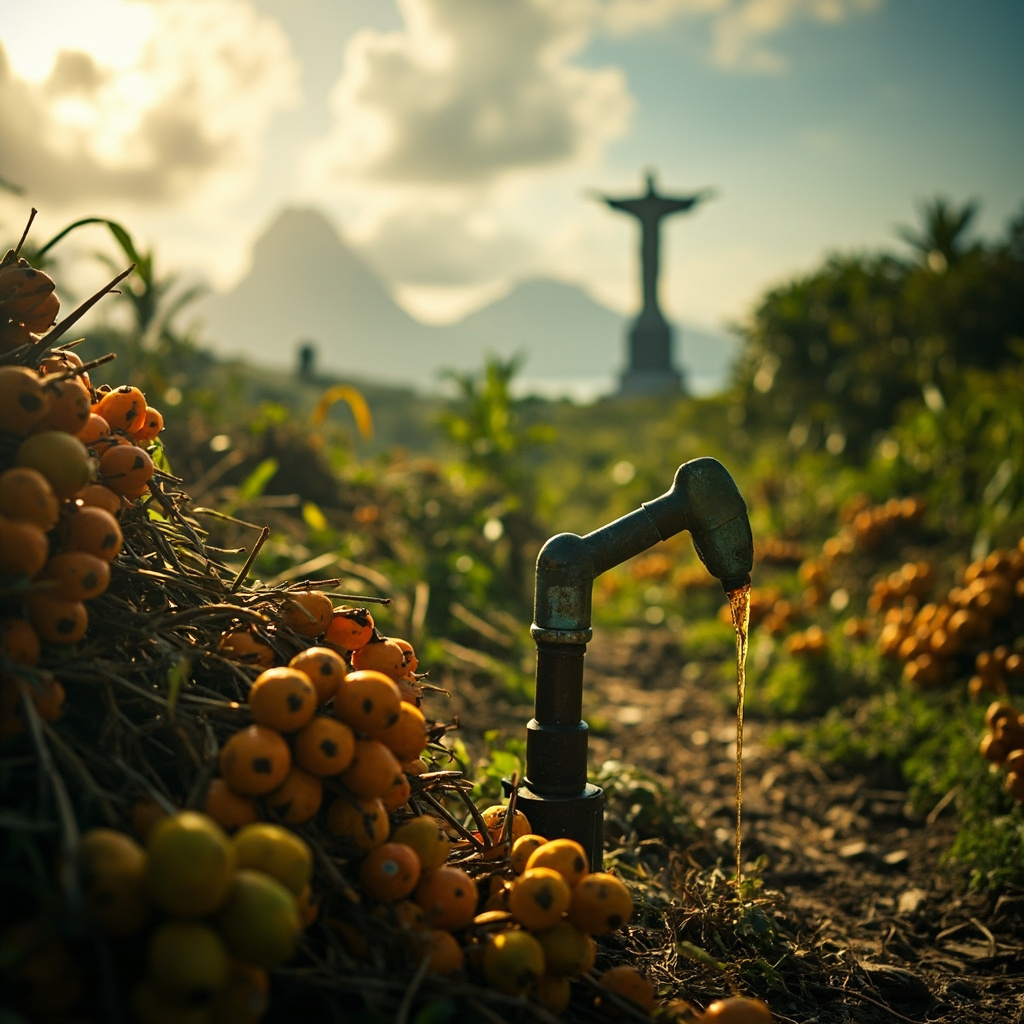
The Acará valley in Pará, northern Brazil, has become a flashpoint for intense territorial disputes between biofuel giants and traditional quilombola communities—descendants of enslaved people who once worked on sugar and coffee plantations. After decades of displacement, these communities are mounting a significant resistance against the expansion of palm oil monocultures that have encroached upon their ancestral territories.
Josias Dias dos Santos, known as Jota, a 39-year-old quilombola leader, details a history of recurring displacement. His community in Pará, currently Brazil's most deforested state, was initially forced out by illegal loggers and ranchers. However, the arrival of the palm oil industry, incentivized by federal subsidies for biofuel production, marked the most severe period of land loss. Over the last 20 years, companies have claimed approximately 202,000 hectares (500,000 acres) of land, primarily near the Acará River, for palm oil cultivation.
Community leaders report that industrial expansion brought a infrastructure of fencing, guard towers, and security checkpoints that often severed access to traditional sites, including cemeteries. Environmental concerns have also escalated; activists claim that toxic chemical byproducts from palm oil production have contaminated the Acará River, leading to massive fish kills. The struggle for land rights has been marred by violence, with activists like Artemio Gusmão being brutally killed, and another leader shot 16 times in the back.
Tensions surged in 2020 following the takeover of operations by Brasil BioFuels (BBF). The company implemented rigorous security measures and filed over 1,000 police reports against community members, alleging theft and property damage. In response, the Acará quilombolas established human blockades and reclaimed portions of the land to restore biodiversity and build community infrastructure, including schools and homes, despite persistent eviction threats.
A pivotal moment occurred in late 2021 when BBF’s security chief, Walter Romero Ferrari, and another executive were charged with torture following the violent dispersal of a demonstration. In February 2022, the community took more radical action by padlocking BBF’s main gate, effectively halting the harvest of palm fruits and asserting ownership over the territory.
In defense of the company, BBF’s Chief Executive Milton Steagall has maintained that his firm is a major job creator and environmental steward. Steagall rejects allegations of land theft, stating that BBF acquired legally established operations. He has also characterized some land claimants as fraudsters. However, by 2024, BBF faced severe financial distress, leading a Pará court to declare the company bankrupt and place it under a corporate rescue procedure, with new entities now leasing the plantations.
The quilombola community has recently secured major legal victories. Brazilian courts have refused to enforce the majority of BBF’s land claims, and a key government body has ruled in favor of the quilombolas’ rights to much of the reclaimed territory. This marks a historic win for traditional communities against the industrial biofuel complex in the Amazon.
Source: The Guardian