 Advertise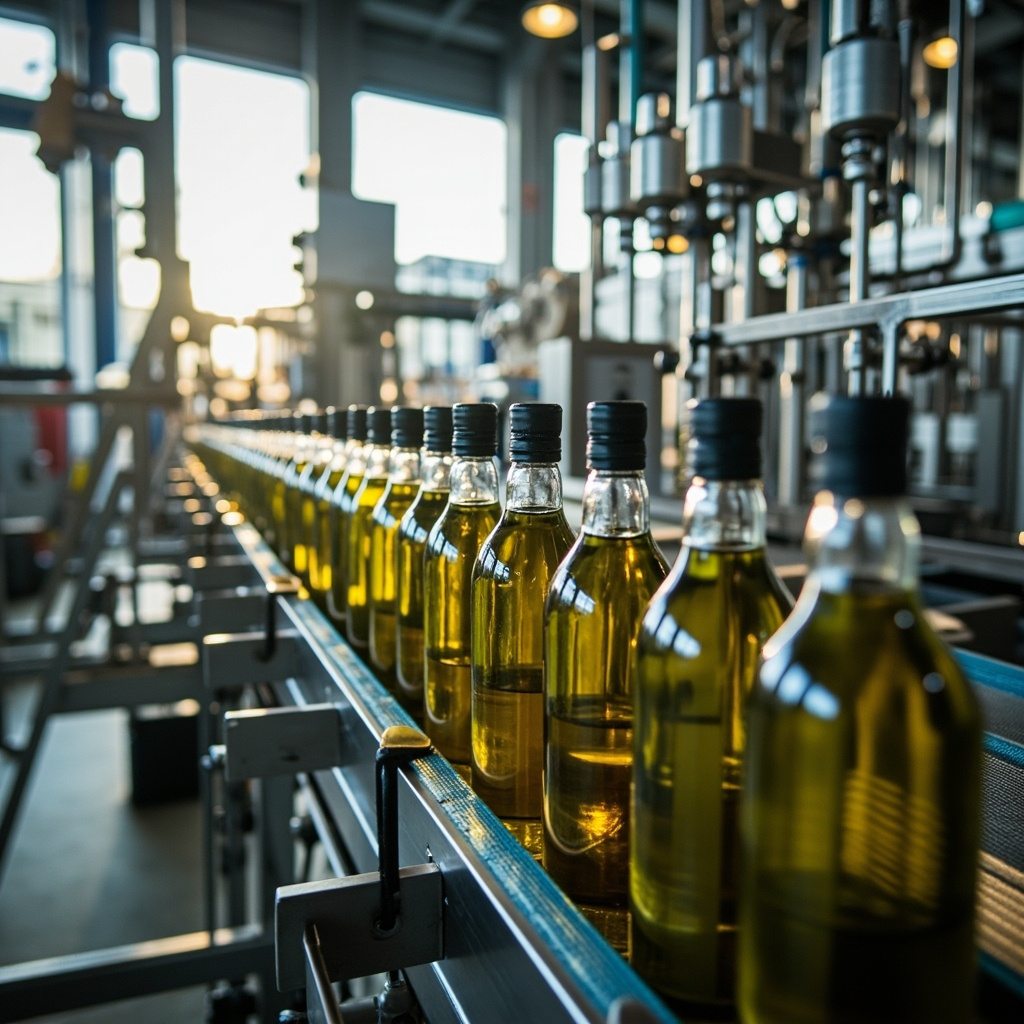
Al-Rabwa for Agricultural Investment and Food Manufacturing, the owner of the 'Sayegh' brand, has unveiled an ambitious expansion plan aimed at doubling its olive oil production to around 500 tons annually over the next three years, in parallel with the installation of a new production and packaging line at its factory in 6th of October City.
The move falls within the company's broader strategy to scale up production capacity, strengthen the presence of its products in the domestic market, and expand into international markets.
The plan is underpinned by strong indicators in Egypt's olive sector. Egypt's olive fruit production reached approximately 1.27 million tons in 2024, ranking the country fifth globally with an estimated 5.5% share of world output, according to data from the Food and Agriculture Organization of the United Nations (FAO). The period from September through November represents the main supply season for the company's core products, led by harissa hot pepper paste, pomegranate molasses, and olive oil.
Jaber Barakat, General Manager of Al-Rabwa, said the current phase focuses on expanding production capacity and developing the company's diversified food product portfolio, thereby enhancing its competitiveness in both local and global markets, particularly given the sustained growth in demand for its products over recent years.
Barakat outlined an expansion plan for the olive oil segment, targeting output of around 250 tons during the current year, with the volume set to double over three years to reach around 500 tons annually. He explained that the company is currently installing a new olive oil production and packaging line at its 6th of October City factory, designed to expand capacity, improve manufacturing and packaging efficiency, and support its overseas expansion plans. The company relies on olives produced in the Arish, Ismailia, and Alamein regions to meet its raw material needs.
Barakat noted that the company has already begun exporting olive oil in limited quantities, confirming that the next phase aims to gradually increase volumes and establish stable export markets.
Turning to harissa, Barakat said the company started receiving chili peppers from farmers this month at the highest quality grades, marking the start of the harissa production season, which is one of the company's flagship products. Current harissa sales stand at around 260 tons annually, with the company targeting a 25% increase in sales during the current year, given the product's wide distribution across major retail chains in the Egyptian market. The product is supplied to several leading sauce manufacturers, alongside the company's private-label packaging activities, and is exported to a number of overseas markets, most notably Senegal, Germany, and Italy.
As for pomegranate molasses, Barakat reported that the product has established a strong presence for the 'Sayegh' brand in the Egyptian market, supported by product quality, diverse distribution channels, and private-label packaging operations. The factory currently produces around 100 tons of pomegranate molasses annually, with a plan to increase output by 30% during the current year, aimed at strengthening the product's sales both locally and internationally. Pomegranate molasses is currently exported to Germany, Italy, and Malaysia, with ongoing efforts to expand its footprint in these markets and penetrate new global markets during the current and coming year.
Barakat stressed that the company's strategy for the coming phase rests on five key pillars: increasing production, upgrading manufacturing and packaging lines, strengthening the 'Sayegh' brand, expanding private-label operations, and growing exports. He said: 'Our goal is for Sayegh to become an Egyptian brand capable of competing locally and internationally, and to move beyond simply increasing volumes toward building sustainable growth based on quality, manufacturing, and exports.'
Barakat concluded by emphasizing that the company sees significant opportunities ahead for Egyptian food products in global markets, particularly with rising demand for products offering competitive quality and specifications. He noted that investment in manufacturing and in raising the value added of agricultural products represents one of the most important growth drivers in the coming period. He added that a product's strength begins with raw material quality and is completed through efficient manufacturing, packaging, and the ability to reach consumers in local and global markets.
Source: Al-Investour Al-Araby