 Advertise
Note: This article was AI-translated from Arabic and is currently under manual review. The author is not responsible for any translation errors. Please refer to the original Arabic text for the most accurate and authoritative information.
On vendor carts in summer, the Prickly Pear decorates the streets with its sweet and refreshing taste. People are wary of its small thorns attached to the fingers.
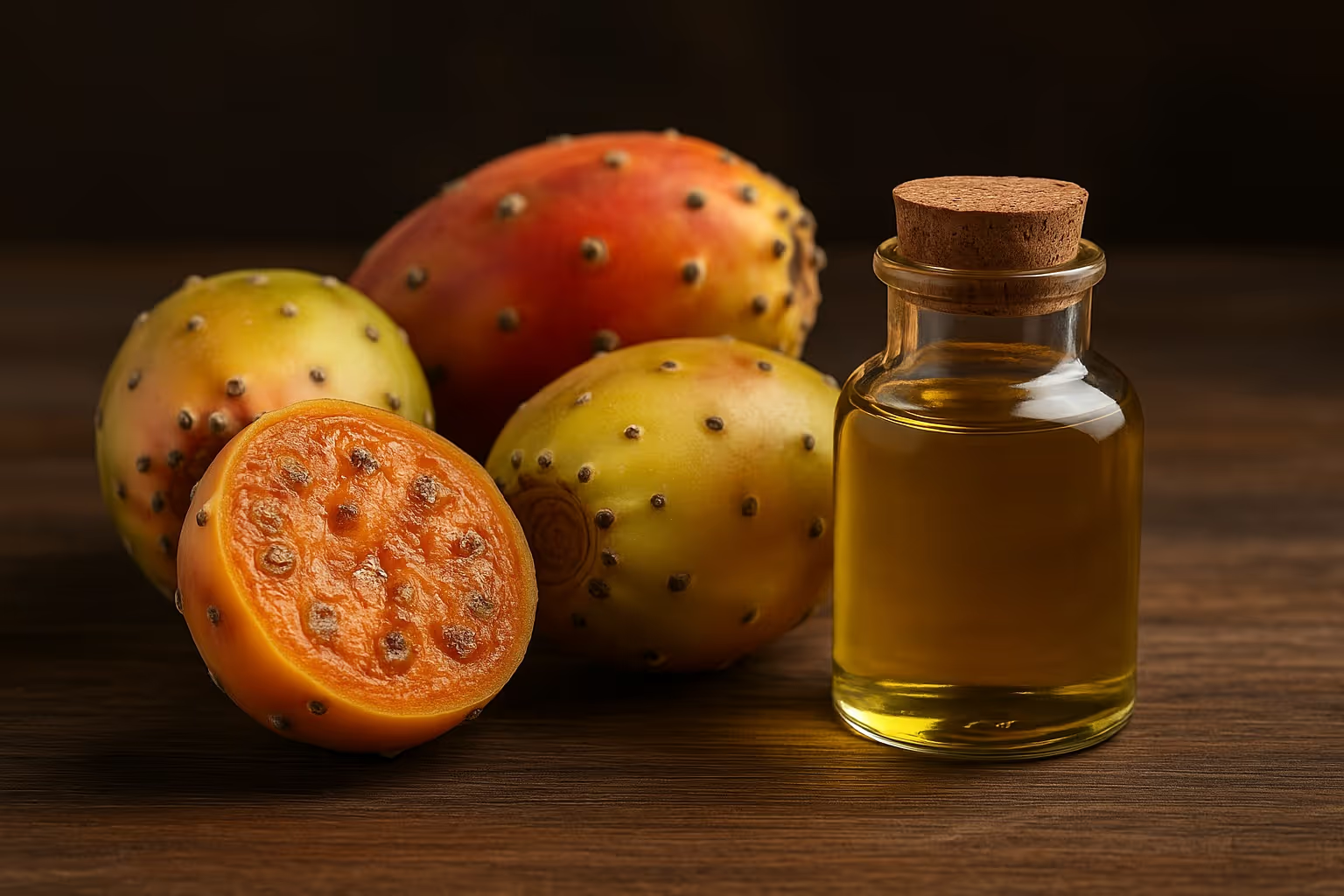
It is the fruit of the people, but what many people do not know is that inside its small seeds — which we used to throw away — hides one of the most valuable natural oils in the world, Prickly Pear Seed Oil: from street fruit to liquid desert treasure.
Prickly pear seed oil, whose price exceeds 1000 dollars per liter in global markets, is today a strategic material that combines high economic value, scientifically proven health benefits, and an investment opportunity that combines agriculture, industry, and export.
• It is rich in unsaturated fatty acids (> 85%), especially linoleic acid (omega-6) with a percentage of 58— 68%.
• Vitamin E with a concentration of up to 1000 mg/kg is one of the most powerful natural antioxidants.
• Plant sterols support heart health and fight inflammation.
• Polyphenolic compounds with antioxidant activity exceeding 89% in laboratory tests.
1. Beauty and skin care
• Anti-aging creams. * Scar repair serums.
• Premium moisturizers that have been shown to improve skin elasticity by 73% within 8 weeks.
2. natural medicine
• Soothe skin infections. * Accelerate wound healing.
• Protect skin from sun damage.
3. healthy nutrition
• Dietary supplement rich in essential fatty acids. * Supporting heart health and immunity.
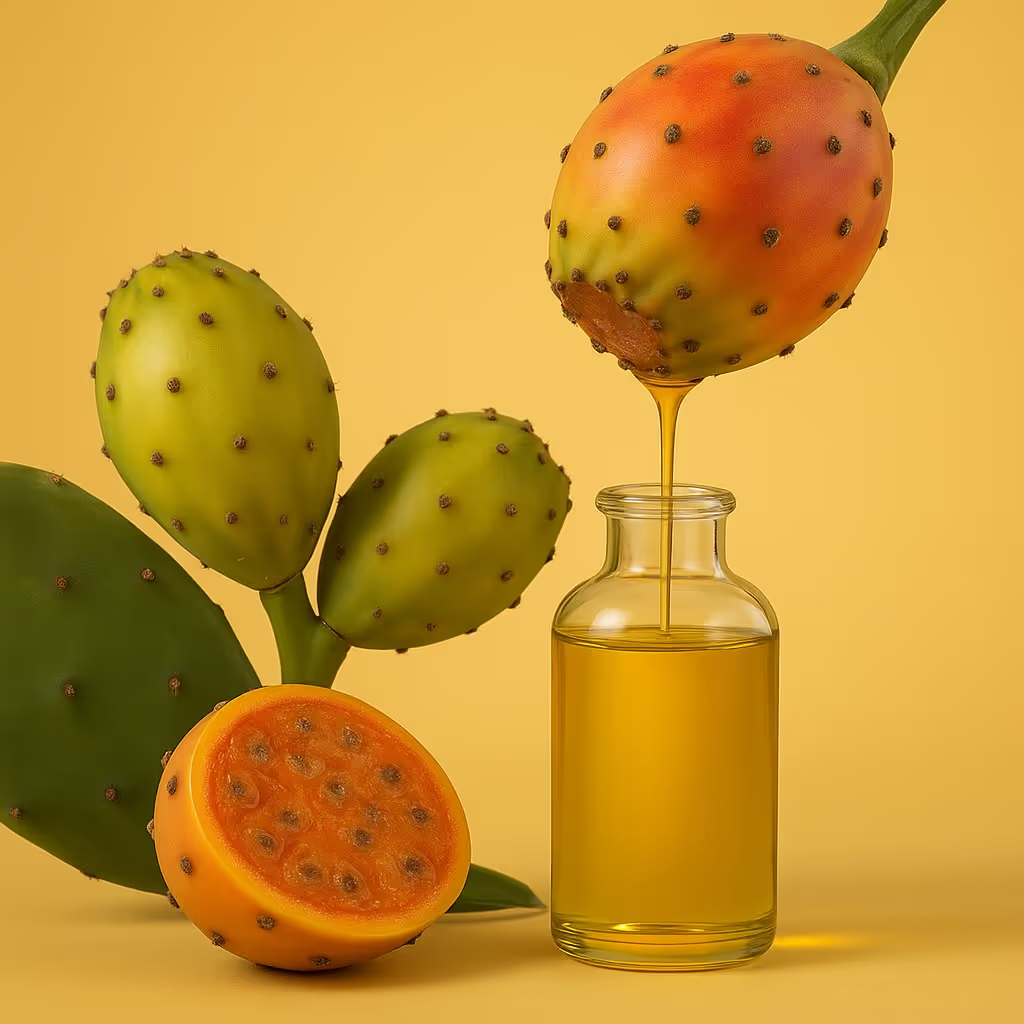
The economic value is doubled when all the components of the fruit are exploited:
• Pulp and juice: the production of high-value functional beverages and foods.
• Seeds: oil extraction with advanced techniques such as cold pressing or supercritical CO₂.
• Freeze grinding: raising oil yield by up to 40%
• One liter of oil = a full ton of fruits. * The return from a dry ton of seeds is 15—20 liters of oil.
• Market value: more than $20,000 per ton.* Global market growth rate: 12.7% per annum until 2030.
• Low percentage of seeds in fruits → Adopting advanced techniques to raise extraction efficiency and increase productivity.
• The high cost of equipment → moving towards establishing mobile production units, establishing agricultural cooperatives, or attracting major investments from specialized experienced companies.
• Ensure product quality → Applying green technology and using clean extraction techniques that preserve the active ingredients and nutritional value of the oil.
• Maximizing added value → relying on the expertise of researchers and specialists in the field of oils, and adopting continuous research and development (R&D) programs to create new products and raise the quality of production in line with international standards.
Although Egypt produces more than 350,000 tons per year of Prickly Pear, of which more than 70% is wasted, it has strong competitive advantages:
• The abundance of production in Upper Egypt and Sinai.
• Lower operating costs compared to competing countries.
• A strategic location for exporting to the markets of Africa, Europe, and the Middle East.
1. Establishment of mobile extraction units near farming areas.
2. Establishing cooperatives that link farmers to value chains.
3. Establishing training centers on the latest extraction techniques.
4. The launch of an Egyptian brand specialized in luxury oils.
5. Attracting partnerships with local and international investors.
Prickly pear seed oil is not just a luxury product, but a strategic opportunity to integrate agriculture with industry and export, and achieve added value to the national economy. “From a simple fruit known to all... to liquid gold unknown to many.”